Choosing the right electric toothbrush is a pivotal step towards maintaining impeccable oral health. With countless options available, understanding what truly sets a superior brush apart can be challenging. This comprehensive guide, crafted from over a decade of hands-on experience and rigorous testing, delves into the world of electric toothbrushes, with a special focus on those bearing the coveted American Dental Association (ADA) Seal of Acceptance. We’ll equip you with the knowledge to navigate the market, ensuring you select a device that not only fits your needs and budget but also delivers proven safety and efficacy for a brighter, healthier smile.
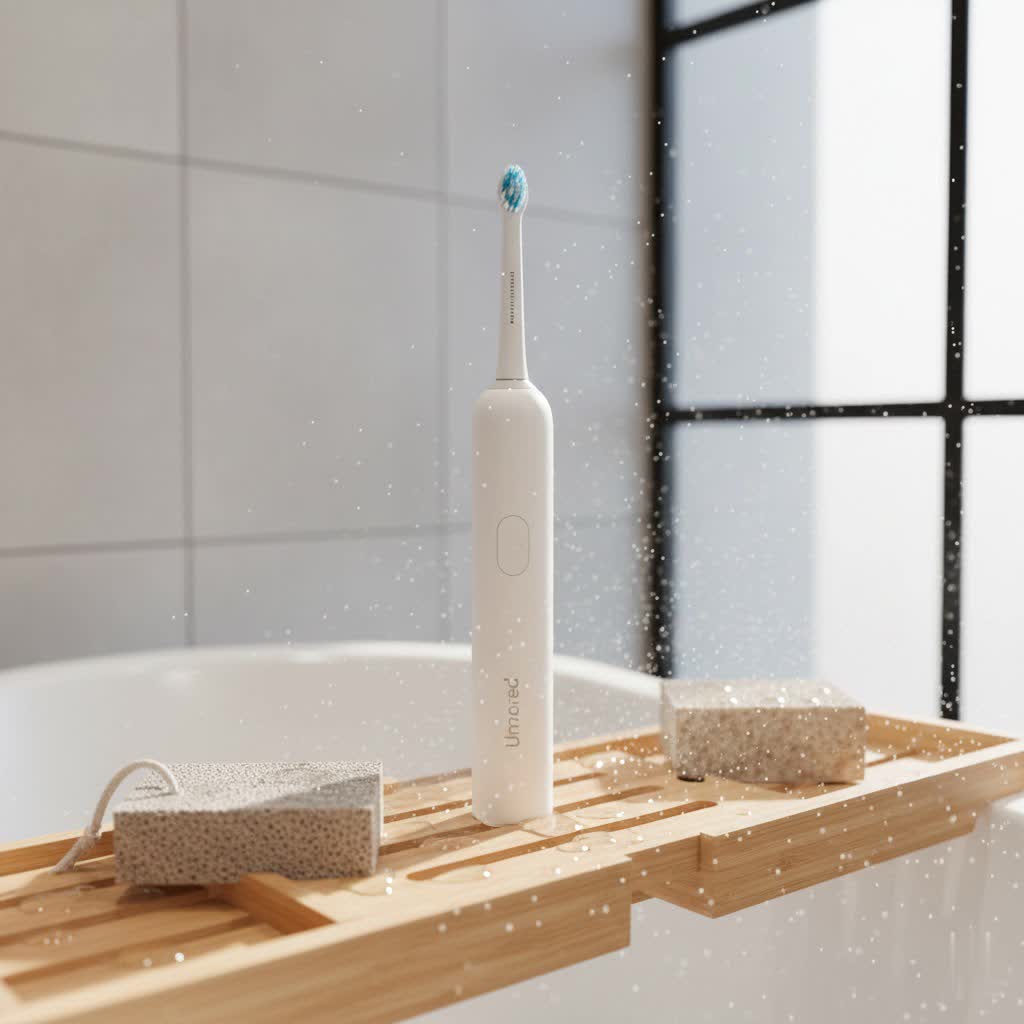
Electric Toothbrush: What It Is and Why You Should Use One
An electric toothbrush is an advanced oral hygiene device designed to make brushing more effective and often, more enjoyable. Unlike manual toothbrushes, which rely entirely on your technique, electric toothbrushes automate the brushing motion, typically through rapid vibrations or oscillations. This means they perform thousands of brush strokes per minute, a feat impossible for human hands.
When comparing electric toothbrushes with their manual counterparts, electric models offer several distinct advantages. While both can effectively remove plaque, studies often indicate that electric toothbrushes are superior in reducing plaque and gingivitis. They do most of the hard work for you, making them particularly beneficial for individuals with dexterity issues or those who struggle to maintain consistent brushing habits. The convenience of built-in timers, pressure sensors, and various cleaning modes also contributes to a more thorough and safer brushing experience, protecting your gums from aggressive brushing.
Common Types of Electric Toothbrushes
Electric toothbrushes generally fall into a few main categories, each utilizing a different technology to clean your teeth. Understanding these differences can help you decide which type best suits your brushing style and oral health goals.
Oscillating-Rotating Electric Toothbrushes
|
Our Picks for the Best Electric Toothbrush in 2026
As an Amazon Associate I earn from qualifying purchases.
|
||
| Num | Product | Action |
|---|---|---|
| 1 | Oral-B Pro 1000 Rechargeable Electric Toothbrush, Pink |

|
| 2 | Oral-B Pro 1000 Rechargeable Electric Toothbrush, White |
|
| 3 | Oral-B iO Deep Clean Rechargeable Electric Toothbrush, Black, iO Series 3 Limited, 2 Brush Heads, Travel Case, Pressure Sensor, 3 Cleaning Settings |
|
| 4 | Aquasonic Black Series Ultra Whitening Toothbrush – ADA Accepted Electric Toothbrush- 8 Brush Heads & Travel Case – 40,000 VPM Electric Motor & Wireless Charging - 4 Modes w Smart Timer |
|
| 5 | Oral-B Pro 1000 Rechargeable Electric Toothbrush, Black |
|
| 6 | Philips Sonicare 4100 Series Electric Toothbrush - Sonic Toothbrush with Advanced Sonic Technology, Pressure Sensor, Two Intensity Settings, Smartimer & Quadpacer, Black, Model HX3681/24 |
|
| 7 | Electric Toothbrush with Water Flosser for Teeth, Sonic Electric Toothbrush and Electric Floss for Adults and Kids, Water Dental Picks, Cleaning and Flossing Dental Care, Waterproof |
|
| 8 | Ultrasonic Toothbrush for Adults - Automatic Electric Toothbrush with Soft Bristles Waterproof & Washable Rechargeable Portable Design with Wireless Charging 30'' Timer for Travel & Home Use (White) |
|
| 9 | Philips Sonicare 1100 Series Electric Toothbrush - Sonic Toothbrush with Advanced Sonic Technology, EasyStart, Smartimer & Quadpacer, White, Model HX3641/02 |
|
| 10 | Philips Sonicare 4100 Series Electric Toothbrush - Sonic Toothbrush with Advanced Sonic Technology, Pressure Sensor, Two Intensity Settings, Smartimer & Quadpacer, White, Model HX3681/23 |
|
These brushes feature a small, round head that rotates in one direction and then the other, often combined with pulsations that break up plaque. Oral-B is a prominent brand known for its oscillating-rotating technology, often referred to as “3D cleaning action” because it oscillates, rotates, and pulsates simultaneously to effectively break up and sweep away plaque. This action is renowned for its deep cleaning capabilities.
Sonic Electric Toothbrushes
Sonic toothbrushes use high-frequency, high-amplitude vibrations to generate up to 60,000 brush strokes per minute. These rapid vibrations create dynamic fluid action, driving toothpaste and water into interdental spaces and along the gumline for a comprehensive clean. Philips Sonicare is a leading manufacturer of sonic toothbrushes, which are often praised for being gentle on gums while still highly effective at plaque removal.
Ultrasonic Electric Toothbrushes
Operating at an even higher frequency than sonic brushes, ultrasonic toothbrushes produce vibrations beyond the range of human hearing, typically around 2.4 million movements per minute. While sonic brushes rely on mechanical action and fluid dynamics, ultrasonic brushes aim to disrupt bacterial chains and remove plaque through ultrasonic waves. These are less common for general consumer use but offer a distinct cleaning approach.
Choosing the right type depends on personal preference. Oscillating-rotating brushes are often favored for their intense cleaning feel, while sonic brushes are known for their gentle yet thorough action, making them ideal for sensitive teeth and gums.
The ADA Seal of Acceptance: Your Assurance of Quality
When selecting an electric toothbrush, one crucial factor to consider is the American Dental Association (ADA) Seal of Acceptance. This seal is not merely a marketing label; it signifies that a product has undergone rigorous scientific evaluation and meets stringent standards for safety and effectiveness. The ADA, a leading professional dental organization, voluntarily assesses dental products, granting its “Seal of Acceptance” to those that deliver proven results.
To earn the ADA Seal, a manufacturer must submit scientific evidence demonstrating that the toothbrush is safe for oral use, effective at removing plaque, and helps reduce gingivitis. The ADA Council on Scientific Affairs meticulously reviews this data, ensuring all components are safe, bristles are free of sharp edges, and the brush performs as claimed under normal use.
Choosing an ADA-accepted electric toothbrush takes the guesswork out of your purchase. It provides peace of mind that you are investing in a tool validated by dental experts to contribute positively to your oral health.
Comparison Table: Leading Electric Toothbrush Brands with ADA Acceptance
| Brand | Noted Technology | Key Advantages | Considerations | Typical Price Range |
|---|---|---|---|---|
| Oral-B | Oscillating-Rotating-Pulsating (3D Cleaning Action) | Deep plaque removal, multiple brushing modes, smart features, pressure sensors | Can be more aggressive for sensitive users, replacement heads vary in cost | Mid to High |
| Philips Sonicare | Sonic Vibrations | Gentle yet effective cleaning, long battery life, often sleek design | Some models lack extensive modes on the brush itself, generally higher priced | Mid to High |
| Quip | Sonic Vibrations (Battery-Powered) | Affordable, sleek and minimalist design, subscription refill service | Less powerful than premium models, fewer advanced features | Low to Mid |
Guide to Choosing the Right Electric Toothbrush
Selecting the perfect electric toothbrush involves more than just picking a popular brand. Consider these factors to ensure your choice aligns with your specific oral health needs and preferences:
Determine Your Needs
- Sensitive Teeth or Gums? Look for models with “sensitive” modes and pressure sensors to prevent overbrushing. Sonic toothbrushes are often recommended for their gentle action.
- Gum Problems? A brush with multiple modes, including a gum care mode, and a pressure sensor can be beneficial.
- Whitening Desires? Some brushes offer polishing or whitening modes, though consistency in brushing technique is key.
Choose the Brush Type
- Rotary (Oscillating-Rotating) vs. Sonic vs. Ultrasonic? Consider your preference for cleaning sensation and cleaning efficacy. Rotary brushes offer intense cleaning, while sonic brushes provide a gentle sweep. Ultrasonic models target bacteria at a deeper level.
- Speed and Modes: Higher vibration/oscillation speeds generally lead to more effective plaque removal. Multiple brushing modes (e.g., daily clean, sensitive, gum care, whitening) offer versatility.
Select the Right Brush Head
- Round vs. Oval: Oral-B typically features small, round heads that cup each tooth, while Sonicare uses a more traditional oval shape. Both are effective; it’s a matter of preference.
- Bristle Firmness: The ADA recommends soft bristles to minimize the risk of gum abrasion. Always opt for soft bristles, regardless of brush type.
- Specialized Heads: Some brands offer brush heads for specific needs like orthodontic care, tongue cleaning, or extra-sensitive gums.
Evaluate Other Features
- Pressure Sensor: A critical feature that alerts you when you’re brushing too hard, protecting your gums and enamel.
- Built-in Timer: Most electric toothbrushes include a 2-minute timer with 30-second quadrant pacing to ensure you brush for the dentist-recommended duration.
- Bluetooth Connectivity and Apps: “Smart” toothbrushes connect to apps for real-time feedback, brushing habit tracking, and personalized coaching. This can be a great motivator for improving technique.
- Battery Life and Charging: Consider how long the battery lasts on a single charge, especially if you travel frequently. Inductive charging bases are common.
- Ergonomics and Design: The brush should feel comfortable in your hand and be easy to maneuver.
- Cost: Electric toothbrushes range widely in price. Determine your budget, but remember that the initial investment often pays off in improved oral health.
Top ADA-Accepted Electric Toothbrushes Recommended
Based on extensive testing and consumer feedback, here are some of the most highly-regarded ADA-accepted electric toothbrushes that consistently deliver exceptional cleaning and user experience:
- Oral-B iO Series 5/7/9: These models are highly praised for their revolutionary linear magnetic drive system, combining oscillating-rotating cleaning action with gentle micro-vibrations. They offer smart pressure sensors, multiple brushing modes (up to 7), and AI-powered brushing recognition via an app for personalized coaching. The iO series delivers a quiet and smooth brushing experience with superior plaque removal.
- Pros: Exceptional cleaning performance, advanced smart features, intuitive display, quiet operation.
- Cons: Higher price point, replacement brush heads can be expensive.
- Oral-B Pro 1000: A fantastic entry-level option, the Pro 1000 provides powerful oscillating-rotating cleaning action with a competitive price. It includes a pressure sensor and a 2-minute timer with 30-second quadrant alerts, making it simple yet effective for daily use.
- Pros: Affordable, effective plaque removal, essential features (timer, pressure sensor), widely available.
- Cons: Fewer modes and smart features compared to higher-end models, can feel robust.
- Quip Smart Electric Toothbrush: For those seeking simplicity and portability, the Quip Smart Electric Toothbrush is an ADA-accepted, battery-powered sonic brush. It offers a lightweight design, a 2-minute timer, and gentle vibrations. Quip’s subscription service for brush head and battery replacements ensures you maintain optimal hygiene.
- Pros: Sleek, portable, affordable, convenient refill plan, gentle brushing.
- Cons: Less powerful than other electric brushes, limited features, battery-operated (not rechargeable).
How to Use an Electric Toothbrush Correctly
Even the best electric toothbrush won’t perform optimally without proper technique. Follow these steps for an effective clean:
- Charge Your Brush: Ensure your electric toothbrush is fully charged before use to maintain consistent power.
- Attach the Brush Head: Securely attach a clean brush head to the handle.
- Apply Toothpaste: Apply a pea-sized amount of fluoride toothpaste to the brush head.
- Position the Brush: Place the brush head at a 45-degree angle to your gumline, gently resting the bristles on your teeth.
- Let the Brush Do the Work: Do not scrub or apply excessive pressure. Slowly guide the brush head across each tooth surface, allowing the bristles to do the cleaning. For oscillating-rotating brushes, cup each tooth. For sonic brushes, simply glide the head along your teeth.
- Follow the Timer: Most electric toothbrushes have a built-in timer that signals when to move to a new quadrant of your mouth (usually every 30 seconds) and when the recommended 2 minutes of brushing are complete.
- Clean All Surfaces: Ensure you brush the outer, inner, and chewing surfaces of all your teeth. Don’t forget to gently brush your tongue to remove bacteria and freshen breath.
- Rinse and Store: After brushing, rinse your mouth and the brush head thoroughly. Store the brush upright to allow it to air dry.
Common Electric Toothbrush Problems and Solutions
Even with a high-quality ADA-accepted electric toothbrush, you might encounter minor issues. Here’s how to troubleshoot common problems:
- Brush Not Vibrating/Rotating: First, ensure the brush is fully charged. If it’s battery-operated, check if the battery needs replacement. Sometimes, a loose brush head can affect performance; try reattaching it securely. If the issue persists, the internal mechanism might be faulty, requiring professional repair or replacement.
- Battery Drains Quickly: Over time, rechargeable batteries naturally lose capacity. If your brush is several years old, this is often normal. Ensure you are charging it for the recommended duration and that the charging base is clean and free of debris that might hinder contact.
- Brush Head Wears Out Too Fast: Bristles can fray prematurely if you apply too much pressure. Utilize the pressure sensor feature if your brush has one to prevent this. Always use soft-bristled heads and replace them every three to four months, or sooner if visible wear occurs.
- Gums Bleeding After Brushing: While initial adjustment to an electric toothbrush can sometimes cause minor bleeding, persistent bleeding often indicates brushing too hard or existing gum inflammation. Ensure you are using a pressure sensor correctly, choosing soft bristles, and not scrubbing. If bleeding continues, consult your dentist.
Conclusion
Embracing an ADA-accepted electric toothbrush is a smart investment in your long-term oral health. These devices, rigorously tested for safety and effectiveness, offer a superior cleaning experience that can lead to significantly improved plaque removal and reduced gingivitis compared to manual brushing. With a diverse range of oscillating-rotating, sonic, and even ultrasonic options available, equipped with smart features like pressure sensors and timers, there’s an ideal brush for every individual need and preference. By understanding the technologies, features, and proper usage techniques, you empower yourself to make an informed choice that will keep your smile healthy and bright for years to come.
What’s the most important feature you look for in an electric toothbrush?
Frequently Asked Questions
Is an ADA-accepted electric toothbrush truly necessary for good oral hygiene?
While both manual and electric toothbrushes can be effective, an ADA-accepted electric toothbrush provides an assurance of safety and efficacy, having undergone scientific evaluation for plaque removal and gingivitis reduction. It simplifies your purchasing decision and guarantees a product that meets high dental standards.
What’s the main difference between oscillating-rotating and sonic electric toothbrushes?
Oscillating-rotating brushes feature a small, round head that rotates and pulsates to break up and sweep away plaque. Sonic brushes use high-frequency vibrations to create fluid dynamics that clean teeth and gums. Both are effective, but offer different brushing sensations and mechanisms of action.
How often should I replace my electric toothbrush head?
Dentists recommend replacing your electric toothbrush head every three to four months, or sooner if the bristles become visibly frayed or worn. This ensures optimal cleaning performance and hygiene.
Can I use an electric toothbrush if I have sensitive teeth or gum recession?
Yes, many electric toothbrushes are designed with sensitive modes and pressure sensors, making them suitable for individuals with sensitive teeth or gum issues. Always choose a brush with soft bristles and consult your dentist for personalized recommendations.
Do all Philips Sonicare and Oral-B models have the ADA Seal of Acceptance?
No, while many models from both Philips Sonicare and Oral-B have received the ADA Seal, it’s not a universal designation for every product line. Always check for the specific ADA Seal of Acceptance on the product packaging or the ADA’s website to confirm.
