Navigating daily oral hygiene with braces can feel like a complex mission, transforming what used to be a simple two-minute task into a meticulous challenge. Brackets, wires, and bands create countless new hiding spots for food particles and plaque, making it significantly harder to keep your teeth and gums healthy. If you’ve been struggling to maintain pristine oral health during your orthodontic journey, an electric toothbrush might just be the game-changer you need. This comprehensive guide will illuminate why an electric toothbrush is essential for brace-wearers and help you pinpoint the perfect model to ensure your smile remains bright and healthy, even with the added hardware.
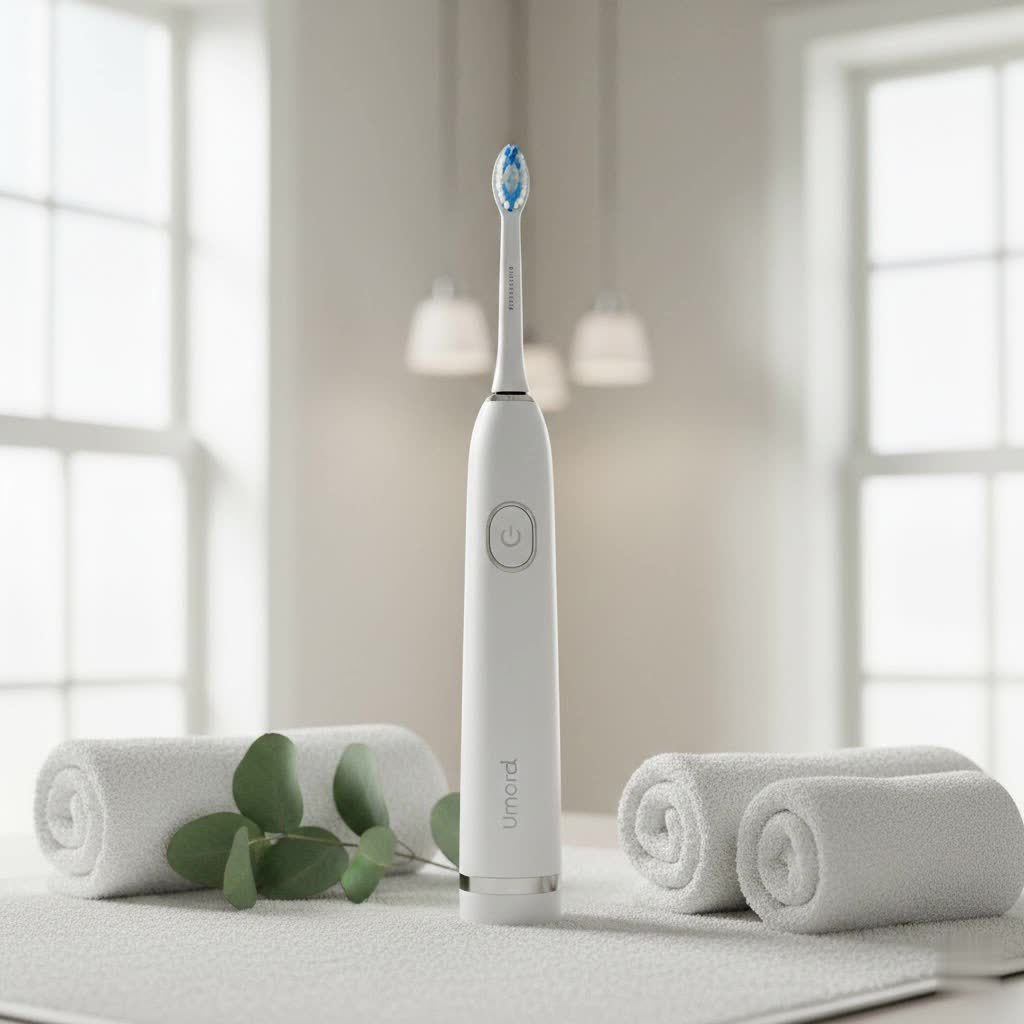
What is an Electric Toothbrush? Why Should You Use One with Braces?
An electric toothbrush is an advanced oral hygiene device that uses a motor to oscillate, vibrate, or pulsate its brush head, performing the brushing motion for you. Unlike manual toothbrushes, which rely entirely on your technique, electric toothbrushes offer consistent, powerful cleaning that can significantly improve plaque removal and gum health.
For individuals with braces, the benefits of an electric toothbrush are amplified. Brackets and wires act as barriers, making it difficult for traditional manual brush bristles to reach all tooth surfaces and effectively dislodge food debris. Electric toothbrushes, with their specialized brush heads and superior cleaning mechanisms, can navigate these obstacles more effectively. They often feature built-in timers to ensure you brush for the dentist-recommended two minutes and pressure sensors that alert you if you’re brushing too hard, which is crucial for protecting both your enamel and your orthodontic appliances. This consistent, controlled cleaning reduces the risk of white spots (decalcification) around brackets, gingivitis, and cavities, setting you up for a healthier smile once your braces come off.
Exploring the Types of Electric Toothbrushes for Braces
Electric toothbrushes generally fall into three main categories, each employing a distinct cleaning mechanism. Understanding these differences will help you determine which type is most suitable for navigating your braces.
Rotary (Oscillating-Rotating) Electric Toothbrushes: These toothbrushes feature a small, round brush head that oscillates (moves back and forth) and often pulsates to break up and sweep away plaque. Brands like Oral-B are well-known for this technology.
- Pros with Braces: Their small head size can be advantageous for reaching around individual brackets. The vigorous cleaning action is highly effective at plaque removal. Many rotary brushes offer orthodontic-specific brush heads.
- Cons with Braces: The intense motion might feel aggressive or be harder to maneuver gently around delicate wires and brackets without snagging. Excessive pressure can potentially damage braces or cause discomfort.
Sonic Electric Toothbrushes: Sonic toothbrushes use high-frequency vibrations, moving at speeds up to 30,000 to 40,000 strokes per minute. These vibrations create dynamic cleaning action, generating fluid pulses that reach between teeth and along the gumline, even slightly beyond where the bristles physically touch. Philips Sonicare is a leading brand in this category.
- Pros with Braces: Often recommended for braces due to their gentler, yet highly effective, cleaning approach. The wider sweeping motion and fluid dynamics help clean around brackets and wires without direct contact pressure. They are generally more comfortable for sensitive gums, a common issue with braces.
- Cons with Braces: Some users might prefer the direct scrubbing feel of a rotary brush for targeted bracket cleaning.
Ultrasonic Electric Toothbrushes: These are the most advanced, vibrating at an extremely high frequency (typically 2.4 million movements per minute). The vibrations are so fast they generate ultrasonic waves, which break down plaque and bacteria.
- Pros with Braces: Offers the deepest clean at a microscopic level, potentially highly beneficial for thorough plaque disruption around complex brace structures.
- Cons with Braces: Less common in consumer models and often more expensive. The cleaning sensation is almost imperceptible, which some users might find less satisfying if they prefer a tactile brushing feel.
For individuals with braces, sonic electric toothbrushes are often the preferred choice due to their balance of gentleness and effective cleaning, making them less likely to snag or damage orthodontic hardware while still providing a superior clean around brackets and wires. However, rotary brushes with specialized orthodontic heads can also be highly effective with proper technique.
Comparison Table: Leading Electric Toothbrush Brands for Braces
| Brand | Noteworthy Technology/Features | Pros for Braces | Cons for Braces |
|---|---|---|---|
| Oral-B | Oscillating-rotating-pulsating (3D Cleaning), iO Series with magnetic micro-vibrations and AI tracking, pressure sensor, various brush heads (including Ortho Care). | Excellent plaque removal, small round head can target individual teeth/brackets, specialized Ortho brush heads available, robust pressure sensors. | Can feel aggressive if not used carefully, requires precise maneuvering around wires, replacement heads can be costly. |
| Philips Sonicare | High-frequency sonic vibrations, dynamic cleaning action reaching beyond bristles, pressure sensor, multiple brushing modes (Sensitive, Gum Care), long battery life. | Gentle yet effective cleaning, fluid dynamics help clean around brackets and wires, comfortable for sensitive gums, good for overall oral health, “Gum Care” or “Sensitive” modes are ideal. | Heads are generally larger than Oral-B, which might require a slight adjustment for some users around intricate brace areas. |
| Waterpik | Sonic-Fusion technology (combines sonic brushing with water flossing), pressure sensor, specialized flossing tips. | Unique 2-in-1 solution simplifies routine by brushing and flossing simultaneously, highly effective for cleaning under wires and between teeth where braces accumulate debris. | Can be bulky, more expensive upfront, some users may prefer separate brushing and flossing. |
How to Choose the Right Electric Toothbrush for Braces
Selecting the best electric toothbrush when you have braces involves a few specific considerations beyond standard oral hygiene needs. Here’s a detailed guide to help you make an informed decision:
1. Determine Your Specific Needs:
- Sensitive Teeth or Gums? Braces can often lead to increased sensitivity. Look for brushes with “Sensitive” or “Gum Care” modes and soft bristles.
- Plaque Buildup Around Brackets? You’ll need a brush with proven plaque removal effectiveness and potentially specialized brush heads.
- Do You Struggle with Flossing? A device that combines brushing and flossing (like Waterpik Sonic-Fusion) could be a lifesaver.
2. Choose the Right Brush Type:
- Sonic vs. Rotary: As discussed, sonic brushes are often recommended for their gentler, effective cleaning around braces. However, rotary brushes with specific orthodontic heads can also perform well if you prefer that cleaning sensation.
3. Prioritize the Right Brush Head:
- Small Head Size: Essential for navigating the tight spaces around brackets and wires.
- Soft Bristles: Crucial to prevent damage to your braces, enamel, and gums. Medium or hard bristles can be abrasive.
- Orthodontic-Specific Brush Heads: Many brands, especially Oral-B and Philips Sonicare, offer brush heads specifically designed with contoured bristles to clean around braces more effectively. These are highly recommended.
4. Essential Features to Look For:
- Pressure Sensor (Critical!): This is perhaps the most important feature for brace wearers. It alerts you if you’re brushing too hard, preventing damage to your braces, gums, and tooth enamel. Most quality electric toothbrushes now include this.
- Built-in Timer: A 2-minute timer with quad-pacers (signaling to move to a different quadrant every 30 seconds) ensures you brush for the optimal duration, covering all areas of your mouth.
- Multiple Cleaning Modes: “Sensitive” or “Gum Care” modes are highly beneficial for the delicate environment of your mouth with braces. Other modes like “Daily Clean” or “Deep Clean” can be used depending on your comfort level.
- Long Battery Life: A toothbrush that holds a charge for several days or weeks is convenient, especially when traveling.
- Smart Features (Optional but Helpful): Some advanced models offer Bluetooth connectivity to an app, providing real-time feedback on your brushing technique, coverage, and areas you might be missing. This can be particularly useful for ensuring thorough cleaning around braces.
5. Consider Your Budget:
- Electric toothbrushes range widely in price. Determine what features are non-negotiable for your needs with braces and then explore options within your budget. Remember that the cost of replacement brush heads should also be factored in, as these need to be changed every 3 months, or more frequently if bristles become splayed from contact with braces.
Top Electric Toothbrushes Recommended for Braces
Based on effectiveness, features, and user feedback, here are some of the top electric toothbrushes highly recommended for individuals with braces:
1. Philips Sonicare ProtectiveClean 6100 (or similar ProtectiveClean series)
The ProtectiveClean series from Philips Sonicare strikes an excellent balance between performance and value, making it a fantastic choice for braces.
- Pros: It offers multiple intensity settings and three cleaning modes (Clean, White, Gum Care), with the “Gum Care” mode being particularly gentle and effective for sensitive areas around braces. The pressure sensor vibrates the handle to alert you if you’re brushing too hard, crucial for protecting your gums and orthodontic hardware. Its sonic technology provides a powerful yet gentle clean, and Philips Sonicare offers specialized “Orthodontic” brush heads for optimal cleaning around brackets.
- Cons: While highly effective, it may lack the advanced app connectivity of higher-end models.
- Why it’s great for Braces: The gentle “Gum Care” mode, effective pressure sensor, and availability of orthodontic-specific brush heads make it a very safe and thorough option for brace wearers.
|
Our Picks for the Best Electric Toothbrush in 2026
As an Amazon Associate I earn from qualifying purchases.
|
||
| Num | Product | Action |
|---|---|---|
| 1 | Electric Toothbrush with Water Flosser for Teeth, Sonic Electric Toothbrush and Electric Floss for Adults and Kids, Water Dental Picks, Cleaning and Flossing Dental Care, Waterproof |

|
| 2 | Oral-B Pro 1000 Rechargeable Electric Toothbrush, Black |
|
| 3 | Philips Sonicare 1100 Series Electric Toothbrush - Sonic Toothbrush with Advanced Sonic Technology, EasyStart, Smartimer & Quadpacer, White, Model HX3641/02 |
|
| 4 | Aquasonic Black Series Ultra Whitening Toothbrush – ADA Accepted Electric Toothbrush- 8 Brush Heads & Travel Case – 40,000 VPM Electric Motor & Wireless Charging - 4 Modes w Smart Timer |
|
| 5 | Ultrasonic Toothbrush for Adults - Automatic Electric Toothbrush with Soft Bristles Waterproof & Washable Rechargeable Portable Design with Wireless Charging 30'' Timer for Travel & Home Use (White) |
|
| 6 | Philips Sonicare 4100 Series Electric Toothbrush - Sonic Toothbrush with Advanced Sonic Technology, Pressure Sensor, Two Intensity Settings, Smartimer & Quadpacer, White, Model HX3681/23 |
|
| 7 | Philips Sonicare 4100 Series Electric Toothbrush - Sonic Toothbrush with Advanced Sonic Technology, Pressure Sensor, Two Intensity Settings, Smartimer & Quadpacer, Black, Model HX3681/24 |
|
| 8 | Oral-B Pro 1000 Rechargeable Electric Toothbrush, Pink |
|
| 9 | Oral-B Pro 1000 Rechargeable Electric Toothbrush, White |
|
| 10 | Oral-B iO Deep Clean Rechargeable Electric Toothbrush, Black, iO Series 3 Limited, 2 Brush Heads, Travel Case, Pressure Sensor, 3 Cleaning Settings |
|
2. Oral-B iO Series 7/8/9
The Oral-B iO series represents a significant leap in electric toothbrush technology, offering a revolutionary cleaning experience.
- Pros: Utilizes a frictionless magnetic drive system, delivering gentle micro-vibrations for a surprisingly quiet and smooth brushing experience. It features a smart pressure sensor with a light ring that changes color (green for good, red for too hard), a smart display, and AI recognition that guides you to cover all areas of your mouth, including tricky spots around braces. Oral-B also offers an Ortho Care brush head compatible with the iO series.
- Cons: These are premium toothbrushes with a higher price point, both for the handle and replacement brush heads.
- Why it’s great for Braces: The precise magnetic micro-vibrations, combined with the smart pressure sensor and AI guidance, make it incredibly effective and safe for navigating around braces, ensuring thorough cleaning without damage.
3. Waterpik Sonic-Fusion 2.0
For those who struggle with flossing alongside brushing with braces, the Waterpik Sonic-Fusion 2.0 offers an innovative all-in-one solution.
- Pros: This unique device combines the power of a sonic toothbrush with the effectiveness of a Waterpik water flosser in a single brush head. You can brush, floss, or brush and floss simultaneously. The water flossing action is exceptional for dislodging food debris and plaque from around brackets, under wires, and between teeth, areas often missed by brushing alone.
- Cons: It’s a larger unit that requires counter space and needs to be plugged in. Some may find the combined brushing and flossing sensation takes getting used to.
- Why it’s great for Braces: The ability to both brush and water floss simultaneously is a massive advantage for brace wearers, drastically simplifying and improving the efficacy of their oral hygiene routine by tackling two critical tasks at once.
Using Your Electric Toothbrush Correctly with Braces
Even the best electric toothbrush won’t be effective without proper technique, especially when you have braces. Here’s how to maximize your cleaning:
- Attach the Right Brush Head: Always use a soft-bristled, small-headed brush, preferably an orthodontic-specific head if available for your model.
- Apply Toothpaste: Apply a pea-sized amount of fluoride toothpaste to the brush head.
- Section by Section: Divide your mouth into four quadrants. Focus on one quadrant at a time for 30 seconds each, as guided by your toothbrush’s timer.
- Angle Matters:
- Upper Surface: Place the brush head on top of the brackets, angling the bristles downwards towards the biting surface of the tooth, gently sweeping away debris from the top of the bracket.
- Lower Surface: Place the brush head below the brackets, angling the bristles upwards towards the gumline, gently sweeping away debris from the bottom of the bracket.
- Directly on Brackets: Gently brush directly over each bracket, ensuring the bristles clean all sides.
- Gentle Movement: Let the electric toothbrush do the work. Don’t scrub vigorously. Slowly move the brush head from tooth to tooth, allowing it to clean each surface for a few seconds. Ensure the pressure sensor, if available, remains green.
- Don’t Forget All Surfaces: Brush the outer, inner, and chewing surfaces of all your teeth, including the back molars.
- Rinse and Clean: After brushing for two minutes, rinse your mouth thoroughly. Remove the brush head and rinse it under running water to remove any lingering toothpaste or debris. Allow it to air dry.
Common Mistakes When Using an Electric Toothbrush with Braces and How to Fix Them
Even with an electric toothbrush, certain pitfalls can hinder your oral hygiene efforts. Awareness is key to correcting these.
- Brushing Too Hard: This is the most common mistake. Excessive pressure can damage gums, wear down enamel, and potentially loosen brackets or wires.
- Fix: Utilize a pressure sensor if your toothbrush has one. Let the brush do the work; simply guide it gently along your teeth and around your braces.
- Not Brushing Long Enough: Rushing through your brushing means missed spots and inadequate plaque removal.
- Fix: Always use the built-in 2-minute timer and quad-pacer to ensure you dedicate enough time to each section of your mouth.
- Skipping Flossing: While an electric toothbrush is excellent, it doesn’t entirely replace flossing, especially with braces. Floss threaders or water flossers are essential for cleaning between teeth and under wires.
- Fix: Incorporate daily flossing using a water flosser or orthodontic flossers designed to navigate braces.
- Using a Worn-Out Brush Head: Splayed or old bristles become less effective at cleaning and can even be abrasive.
- Fix: Replace your brush head every three months, or sooner if the bristles appear worn or splayed due to contact with braces.
- Not Cleaning Around Each Bracket: Simply gliding over the general area isn’t enough; each bracket creates new surfaces for bacteria.
- Fix: Pay extra attention to angling the brush head above and below each bracket, ensuring bristles can sweep away debris from all angles. Some smart toothbrushes can even provide feedback on missed spots.
“Maintaining impeccable oral hygiene with braces is non-negotiable for a healthy outcome. An electric toothbrush is an invaluable tool, but it’s the consistent, correct technique that truly makes the difference.” – Dr. Elena Petrova, Orthodontic Specialist
Conclusion
Embracing an electric toothbrush while undergoing orthodontic treatment is one of the most effective steps you can take to safeguard your oral health. By leveraging consistent cleaning power, intelligent features like pressure sensors and timers, and specialized brush heads, these devices turn the challenge of cleaning with braces into a manageable and highly effective routine. Whether you opt for the gentle efficiency of a sonic brush like Philips Sonicare, the precise cleaning of an Oral-B iO, or the innovative brush-and-floss combo of a Waterpik Sonic-Fusion, you’re investing in a healthier, more confident smile down the line. Remember, diligent oral care during braces treatment is a commitment that pays dividends for a lifetime.
Which specific features are most important to you when considering an electric toothbrush for your braces journey?
Frequently Asked Questions
Is an electric toothbrush safe for braces?
Yes, electric toothbrushes are generally very safe and often recommended by orthodontists for individuals with braces. Their consistent cleaning action, built-in timers, and pressure sensors help ensure thorough yet gentle cleaning, reducing the risk of damage to braces or gums.
Which type of electric toothbrush is best for braces?
Sonic electric toothbrushes (like Philips Sonicare) are often favored for braces due to their gentler, wider sweeping motion and dynamic fluid cleaning, which effectively cleans around brackets without being overly aggressive. Rotary brushes (like Oral-B) can also be excellent, especially with specialized orthodontic brush heads and careful technique.
How often should I replace my brush head with braces?
You should replace your electric toothbrush head every three months, or sooner if the bristles become splayed or worn. With braces, bristles can sometimes wear down more quickly due to contact with brackets and wires, so checking for wear regularly is important.
Can an electric toothbrush damage my braces?
When used correctly, an electric toothbrush should not damage your braces. The key is to use a gentle touch, let the brush do the work, and ideally, choose a model with a pressure sensor to prevent brushing too hard. Using soft-bristled, orthodontic-specific brush heads also helps protect your appliances.
What features are essential for an electric toothbrush for braces?
Key features include a pressure sensor to prevent over-brushing, a 2-minute timer with quad-pacers for comprehensive cleaning, and multiple cleaning modes (especially a “Sensitive” or “Gum Care” mode). The availability of orthodontic-specific brush heads is also highly beneficial.
