Maintaining optimal oral hygiene is paramount not just for a dazzling smile but for your overall health. In a world brimming with dental care innovations, the electric toothbrush has consistently emerged as a top recommendation from dental professionals worldwide. If you’ve ever wondered whether making the switch from a manual toothbrush is truly worth it, or which electric toothbrush truly stands out among the rest, you’ve come to the right place. This comprehensive guide, informed by expert insights and cutting-edge research, will navigate you through the world of electric toothbrushes, helping you discover how these devices can elevate your daily brushing routine and contribute to a healthier, brighter smile.
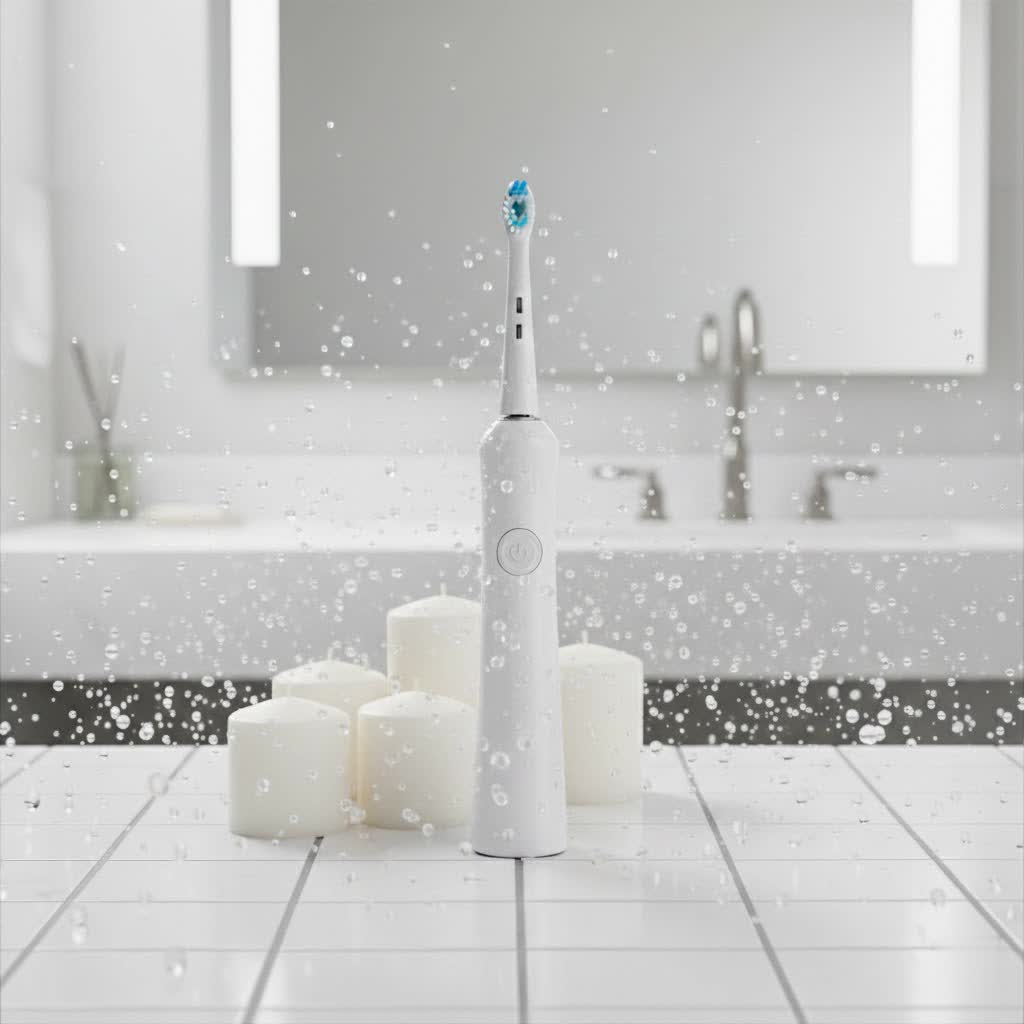
Electric Toothbrushes: A Dentist’s Perspective
What is an Electric Toothbrush and Why Should You Use One?
|
Our Picks for the Best Electric Toothbrush in 2026
As an Amazon Associate I earn from qualifying purchases.
|
||
| Num | Product | Action |
|---|---|---|
| 1 | Oral-B Pro 1000 Rechargeable Electric Toothbrush, Pink |

|
| 2 | Aquasonic Black Series Ultra Whitening Toothbrush – ADA Accepted Electric Toothbrush- 8 Brush Heads & Travel Case – 40,000 VPM Electric Motor & Wireless Charging - 4 Modes w Smart Timer |
|
| 3 | Electric Toothbrush with Water Flosser for Teeth, Sonic Electric Toothbrush and Electric Floss for Adults and Kids, Water Dental Picks, Cleaning and Flossing Dental Care, Waterproof |
|
| 4 | Philips Sonicare 4100 Series Electric Toothbrush - Sonic Toothbrush with Advanced Sonic Technology, Pressure Sensor, Two Intensity Settings, Smartimer & Quadpacer, White, Model HX3681/23 |
|
| 5 | Ultrasonic Toothbrush for Adults - Automatic Electric Toothbrush with Soft Bristles Waterproof & Washable Rechargeable Portable Design with Wireless Charging 30'' Timer for Travel & Home Use (White) |
|
| 6 | Philips Sonicare 1100 Series Electric Toothbrush - Sonic Toothbrush with Advanced Sonic Technology, EasyStart, Smartimer & Quadpacer, White, Model HX3641/02 |
|
| 7 | Oral-B Pro 1000 Rechargeable Electric Toothbrush, Black |
|
| 8 | Oral-B iO Deep Clean Rechargeable Electric Toothbrush, Black, iO Series 3 Limited, 2 Brush Heads, Travel Case, Pressure Sensor, 3 Cleaning Settings |
|
| 9 | Philips Sonicare 4100 Series Electric Toothbrush - Sonic Toothbrush with Advanced Sonic Technology, Pressure Sensor, Two Intensity Settings, Smartimer & Quadpacer, Black, Model HX3681/24 |
|
| 10 | Oral-B Pro 1000 Rechargeable Electric Toothbrush, White |
|
An electric toothbrush is an oral hygiene device that uses a motor to generate automatic bristle movements, performing thousands of strokes per minute. Unlike manual toothbrushes, where cleaning effectiveness largely depends on user technique and effort, electric toothbrushes take much of the work out of brushing, providing a consistent and thorough clean. Dentists frequently recommend them due to their proven superiority in plaque removal and gingivitis reduction.
Compared to manual toothbrushes, electric models offer several distinct advantages. They can remove significantly more plaque, with studies indicating up to 21% greater plaque reduction and 11% less gum inflammation after just three months of use. This enhanced cleaning power leads to a substantial reduction in the risk of cavities and gum disease. Moreover, many electric toothbrushes include features like built-in timers and pressure sensors, which address common manual brushing pitfalls by ensuring users brush for the recommended two minutes and avoid aggressive scrubbing that can damage gums and enamel. This combination of efficiency, protection, and ease of use makes them an invaluable tool for anyone serious about their oral health.
Popular Types of Electric Toothbrushes
Electric toothbrushes generally fall into a few main categories, each utilizing a different technology to achieve a deep clean. Understanding these types can help you choose the best fit for your specific needs.
- Rotary (Oscillating-Rotating): These toothbrushes feature a small, round brush head that oscillates (moves back and forth) and often pulsates, encompassing each tooth to scrub away plaque. Brands like Oral-B are well-known for this technology, which is praised for its deep-cleaning action and ability to reach difficult areas. While highly effective, some users might find the sensation more intense.
- Sonic: Sonic toothbrushes generate high-frequency vibrations, often thousands per minute, to clean teeth. These vibrations create dynamic fluid action, driving toothpaste and water between teeth and along the gumline to dislodge plaque. Philips Sonicare and Suri are prominent brands in this category. They are often perceived as gentler, making them a popular choice for those with sensitive teeth or gums.
- Ultrasonic: Operating at an even higher frequency than sonic brushes, ultrasonic toothbrushes produce vibrations beyond the range of human hearing (typically 2.4 million movements per minute). These extremely high-frequency vibrations aim to disrupt bacterial chains that form plaque, even slightly beyond where the bristles physically touch. This technology offers a very gentle yet powerful clean, though they are less common and typically more expensive.
When deciding which type is right for you, consider your personal comfort, specific oral health concerns (like sensitivity or gum issues), and the level of cleaning intensity you prefer.
Leading Electric Toothbrush Brands: A Comparative Overview
Choosing an electric toothbrush can be overwhelming with the array of brands available. Here’s a look at some of the leading brands frequently recommended by dentists, highlighting their core technologies, advantages, disadvantages, and general price points.
| Brand | Key Technology | Pros | Cons | Estimated Price Range |
|---|---|---|---|---|
| Oral-B | Oscillating-Rotating 3D | Exceptional plaque removal, pressure sensors, various brushing modes, smart features, often a “dentist-clean” feeling. | Smaller, round heads may take longer to clean, replacement heads can be pricier, design preference. | Mid-High |
| Philips Sonicare | Sonic vibrations | Gentle yet effective cleaning, excellent for gum health, long battery life, sleek designs, smart app integration. | Typically higher initial cost, fewer aggressive cleaning modes than rotary, replacement heads cost. | Mid-High |
| Suri | Sonic vibrations | Focus on sustainability with plant-based heads, effective sonic cleaning, optional UV travel case for hygiene. | Newer brand with fewer models, availability may vary, brush heads designed to be recycled. | Mid-Range |
| Foreo ISSA | Pulsing Silicone | Ultra-hygienic silicone bristles, extremely long battery life (up to 6 months), needs brush head replacement only once a year. | Unique brushing sensation that takes getting used to, higher initial investment. | High |
| Xiaomi | Sonic (Budget) | Highly affordable, minimalist design, good basic sonic cleaning for the price. | Lacks advanced features like pressure sensors or extensive app connectivity found in premium brands. | Low-Mid |
> “Electric toothbrushes, particularly those with oscillating-rotating or sonic technology, consistently demonstrate superior plaque removal compared to manual brushes. This translates to a cleaner mouth and reduced risk of dental issues.” – Dental Professional consensus
How to Choose the Right Electric Toothbrush for You
Selecting the perfect electric toothbrush involves more than just picking a popular brand; it’s about matching the features to your individual oral health profile and preferences. Consider these factors when making your choice.
First, identify your specific needs. Do you have sensitive teeth or gums? Are you prone to gum disease or looking for whitening benefits? Do you have braces or other dental work that requires extra care? Your answers will guide your selection. For instance, sonic toothbrushes are often recommended for sensitivity due to their gentler action, while rotary brushes excel at deep plaque removal.
Next, think about the brush type – rotary, sonic, or ultrasonic – and the brushing speed and modes offered. Many brushes come with multiple modes such as “daily clean,” “sensitive,” “whitening,” or “gum care.” A higher speed or more modes can offer greater versatility, but ensure they align with your dental requirements. The brush head is also critical: consider if you prefer a small, round head that meticulously cleans each tooth or a larger, oval head for broader coverage. Bristle softness is important to protect gums, and some heads even include tongue cleaners.
Finally, explore additional features that enhance the brushing experience and effectiveness. A pressure sensor is highly recommended as it alerts you if you’re brushing too hard, preventing damage to enamel and gums. A built-in timer ensures you brush for the dentist-recommended two minutes, often with quadrant timers to guide you to equal cleaning across your mouth. Bluetooth connectivity and companion apps can offer real-time feedback, track your brushing habits, and provide personalized coaching. Consider battery life for convenience, especially if you travel frequently, and factor in the budget for both the initial purchase and ongoing replacement brush heads.
Top-Rated Electric Toothbrushes Recommended by Dentists
Based on consistent recommendations from dental professionals and their proven efficacy, certain electric toothbrushes frequently rise to the top. These models combine innovative technology with user-friendly features to deliver superior oral care.
- Philips Sonicare DiamondClean Smart/Prestige: Often lauded for its advanced technology, these models integrate smart features like SenseIQ technology that senses and adapts to your brushing technique, and a sophisticated app for personalized coaching. They offer multiple cleaning modes, a sleek design, and are highly effective for comprehensive plaque removal and gum care.
- Oral-B iO Series (e.g., iO Series 10, iO Series 2): Representing a significant leap in Oral-B’s technology, the iO Series combines oscillating-rotating action with gentle micro-vibrations for an exceptionally thorough yet smooth clean. Features like an interactive display, magnetic drive, and AI-powered pressure sensor provide real-time guidance, making brushing more intuitive and effective.
- Suri Sustainable Electric Toothbrush: For the environmentally conscious, Suri stands out. It offers effective sonic cleaning with 33,000 vibrations per minute, coupled with plant-based, recyclable brush heads. Its slim design, long battery life, and optional UV cleaning travel case make it a practical and eco-friendly choice.
- Oral-B Pro 1000/Philips Sonicare 4100 Series: These are often highlighted as excellent value options. While more basic, they provide essential dentist-recommended features like a two-minute timer and pressure sensor, delivering a significantly better clean than manual toothbrushes without the higher price tag of smart models. They are robust, reliable choices for those looking for core performance.
These top recommendations offer a range of features and price points, ensuring there’s a dentist-approved option to suit various needs and preferences, all aimed at fostering superior oral health.
Mastering Your Electric Toothbrush: A Guide to Proper Use
To reap the full benefits of your electric toothbrush, using it correctly is as important as choosing the right model. Proper technique ensures you maximize plaque removal and protect your teeth and gums.
Start by moistening your brush head and applying a pea-sized amount of fluoride toothpaste. Avoid scrubbing aggressively, as the electric toothbrush does the work for you. Instead, gently guide the brush head across each tooth surface, allowing the bristles to do their job. For oscillating-rotating brushes, cup each tooth with the brush head for a few seconds. For sonic brushes, hold the bristles at a slight angle towards the gumline and slowly move the brush head from tooth to tooth.
Focus on spending approximately 30 seconds on each quadrant of your mouth (upper right, upper left, lower right, lower left) to ensure comprehensive cleaning. Most electric toothbrushes come with a built-in two-minute timer, often with 30-second pulsates or alerts to indicate when to move to the next section. Pay attention to all surfaces: the outside, inside, and chewing surfaces of every tooth. After brushing, rinse your mouth and the brush head thoroughly. Remember to replace your brush head every three months, or sooner if the bristles appear frayed, to maintain optimal cleaning performance.
Common Electric Toothbrush Issues and Solutions
While electric toothbrushes are designed for durability and efficiency, you might encounter some common issues. Knowing how to troubleshoot these can help maintain your brushing routine.
If your toothbrush is not vibrating or rotating, first check if it’s fully charged. A low battery is a frequent culprit. Ensure the brush head is securely attached; a loose head can prevent proper operation. If issues persist, refer to the user manual for specific troubleshooting steps or contact customer support, as there might be an internal malfunction.
A short battery life could indicate an aging battery that no longer holds a charge effectively. Ensure you are charging the toothbrush for the recommended duration and storing it properly when not in use. If the battery performance significantly diminishes, it might be time to consider a replacement brush.
Rapid brush head wear often results from applying too much pressure. Utilize the pressure sensor, if your model has one, to learn how to brush more gently. Using frayed or excessively worn brush heads is ineffective and can harm your gums, so replace them promptly.
Experiencing gum bleeding or sensitivity after switching to an electric toothbrush can be unsettling. Initially, some sensitivity is normal as your gums adjust to the new cleaning intensity. However, persistent bleeding or discomfort often points to brushing too hard (even with an electric brush) or using a brush head that is too firm. Always opt for soft bristles and ensure you’re letting the brush do the work without applying excessive force. If the problem continues, consult your dentist to rule out underlying oral health issues or for personalized advice on technique.
Conclusion
Making the switch to a dentist-recommended electric toothbrush is a significant investment in your oral health, offering a level of cleanliness and protection that manual brushing often struggles to match. With their superior plaque removal capabilities, gentle gum care, and helpful smart features like timers and pressure sensors, electric toothbrushes empower you to maintain impeccable oral hygiene with greater ease and consistency. By choosing a model that aligns with your specific needs and mastering proper usage, you can unlock a healthier, brighter smile. Isn’t it time to upgrade your dental care routine and experience the confidence of a professionally clean feeling every day?
Frequently Asked Questions
Are electric toothbrushes really better than manual ones?
Yes, numerous studies and dental professionals agree that electric toothbrushes are generally more effective at removing plaque and reducing gingivitis than manual toothbrushes. Their automated movements, often coupled with built-in timers and pressure sensors, lead to a more consistent and thorough clean, significantly improving overall oral health.
How often should I replace my electric toothbrush head?
Dentists typically recommend replacing your electric toothbrush head every three months, or sooner if you notice the bristles becoming splayed or frayed. This ensures optimal cleaning performance and hygiene, as worn bristles lose their effectiveness and can harbor bacteria.
Can an electric toothbrush damage my gums or enamel?
When used correctly, electric toothbrushes are safe and often gentler than manual brushes, especially those with pressure sensors that alert you if you’re brushing too hard. Aggressive manual brushing is more likely to cause damage. However, misusing an electric toothbrush, such as pressing too hard, can still cause irritation or wear.
What is the difference between sonic and oscillating-rotating toothbrushes?
Sonic toothbrushes use high-frequency vibrations to create a fluid dynamic action that cleans teeth and along the gumline. Oscillating-rotating toothbrushes feature a small, round head that rotates back and forth and often pulsates to scrub each tooth individually. Both are highly effective, but sonic brushes are generally perceived as gentler, while oscillating-rotating brushes are known for intense plaque removal.
Do smart features on electric toothbrushes actually help?
Yes, smart features like Bluetooth connectivity, companion apps, and AI-powered real-time feedback can significantly enhance your brushing routine. They provide personalized coaching, track your brushing habits, highlight missed spots, and ensure you brush for the recommended duration and pressure, ultimately leading to improved oral hygiene over time.
