Navigating daily oral hygiene with braces can feel like a complex journey. You’re aiming for that perfectly straight smile, but the brackets and wires present unique challenges, making your brushing routine more intricate than ever. Fear not, because the right electric toothbrush can transform this daunting task into an efficient, effective part of your day, ensuring your teeth and gums stay healthy throughout your orthodontic treatment. With over a decade of hands-on experience in the world of electric toothbrushes, I’m here to guide you through selecting the ideal tool to protect your smile.
Understanding Electric Toothbrushes: Why They’re a Game-Changer for Braces
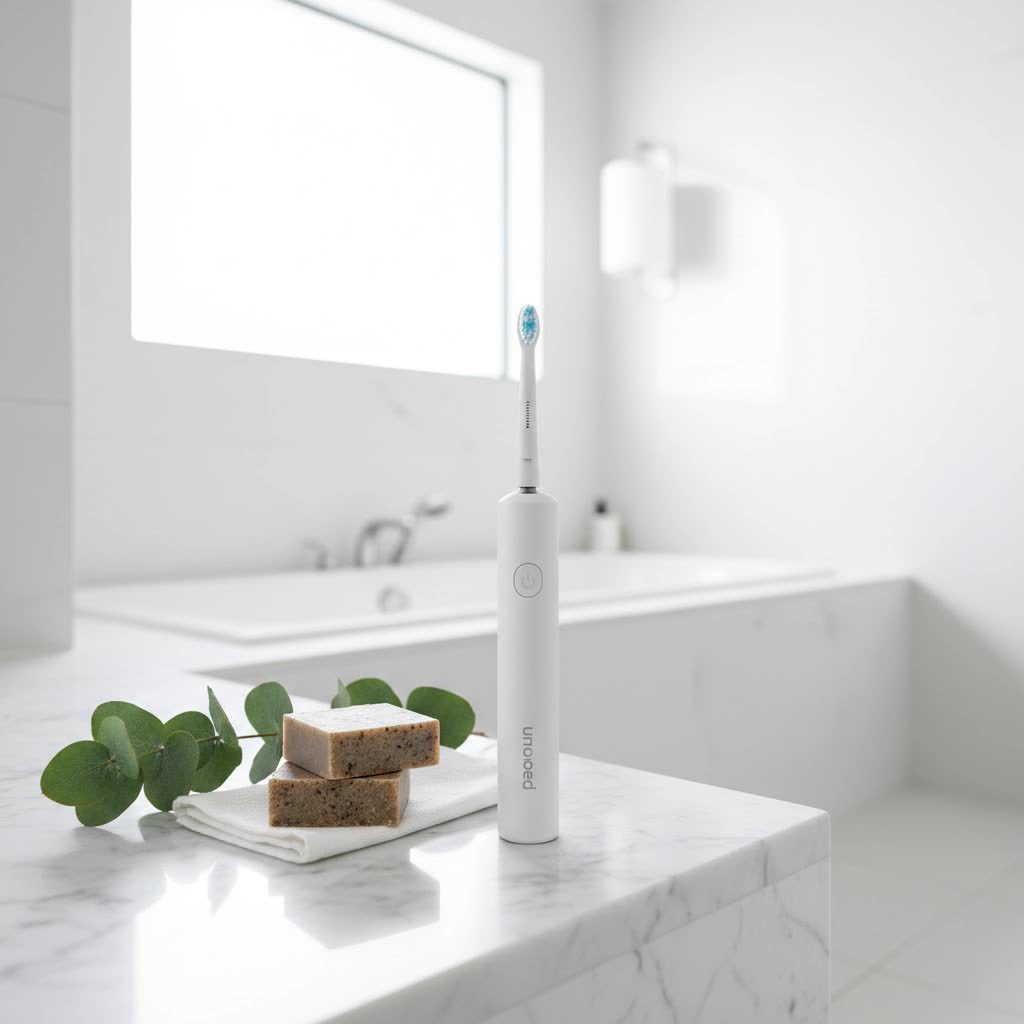
At its core, an electric toothbrush uses power to move its brush head at high speeds, offering a level of cleaning far beyond what a manual brush can achieve. Instead of relying solely on your hand motion, these devices do most of the work for you, ensuring consistent cleaning power.
Electric vs. Manual Toothbrushes: The Braces Advantage
While a manual toothbrush can be effective with meticulous technique, braces introduce numerous nooks and crannies where food particles and plaque love to hide. This makes oral hygiene significantly more challenging.
Manual Toothbrushes:
- Pros: Inexpensive, widely available, no charging needed.
- Cons: Requires precise technique, inconsistent pressure, can miss hard-to-reach areas around brackets, less efficient at plaque removal with braces.
Electric Toothbrushes:
- Pros:
- Superior Plaque Removal: Electric toothbrushes remove significantly more plaque than manual brushes, often up to 100% more, crucial for preventing cavities and decalcification around brackets.
- Enhanced Gum Health: Consistent, controlled movements are gentler on gums while effectively cleaning the gumline, reducing the risk of gingivitis.
- Reaches Tricky Spots: The smaller heads and dynamic cleaning actions are better at navigating around brackets, wires, and bands.
- Built-in Timers: Most electric toothbrushes include a 2-minute timer and quadrant pacing, ensuring you brush for the dentist-recommended duration.
- Pressure Sensors: Many models feature pressure sensors to alert you if you’re brushing too hard, protecting your braces and gums from damage.
- Reduced Staining: More effective cleaning helps prevent food and plaque buildup that can lead to unsightly stains around your brackets.
- Cons: Higher initial cost, requires charging, replacement brush heads can be an ongoing expense.
|
Our Picks for the Best Electric Toothbrush in 2026
As an Amazon Associate I earn from qualifying purchases.
|
||
| Num | Product | Action |
|---|---|---|
| 1 | Oral-B Pro 1000 Rechargeable Electric Toothbrush, Pink |

|
| 2 | Oral-B Pro 1000 Rechargeable Electric Toothbrush, Black |
|
| 3 | Aquasonic Black Series Ultra Whitening Toothbrush – ADA Accepted Electric Toothbrush- 8 Brush Heads & Travel Case – 40,000 VPM Electric Motor & Wireless Charging - 4 Modes w Smart Timer |
|
| 4 | Philips Sonicare 1100 Series Electric Toothbrush - Sonic Toothbrush with Advanced Sonic Technology, EasyStart, Smartimer & Quadpacer, White, Model HX3641/02 |
|
| 5 | Oral-B Pro 1000 Rechargeable Electric Toothbrush, White |
|
| 6 | Philips Sonicare 4100 Series Electric Toothbrush - Sonic Toothbrush with Advanced Sonic Technology, Pressure Sensor, Two Intensity Settings, Smartimer & Quadpacer, White, Model HX3681/23 |
|
| 7 | Electric Toothbrush with Water Flosser for Teeth, Sonic Electric Toothbrush and Electric Floss for Adults and Kids, Water Dental Picks, Cleaning and Flossing Dental Care, Waterproof |
|
| 8 | Oral-B iO Deep Clean Rechargeable Electric Toothbrush, Black, iO Series 3 Limited, 2 Brush Heads, Travel Case, Pressure Sensor, 3 Cleaning Settings |
|
| 9 | Philips Sonicare 4100 Series Electric Toothbrush - Sonic Toothbrush with Advanced Sonic Technology, Pressure Sensor, Two Intensity Settings, Smartimer & Quadpacer, Black, Model HX3681/24 |
|
| 10 | Ultrasonic Toothbrush for Adults - Automatic Electric Toothbrush with Soft Bristles Waterproof & Washable Rechargeable Portable Design with Wireless Charging 30'' Timer for Travel & Home Use (White) |
|
For anyone undergoing orthodontic treatment, the benefits of an electric toothbrush are clear. They provide a more thorough, consistent, and easier cleaning experience, safeguarding your oral health as your smile transforms.
Exploring Popular Electric Toothbrush Technologies
Electric toothbrushes come primarily in two main technological categories: oscillating-rotating and sonic. Understanding their differences will help you determine which type might be best suited for cleaning around your braces.
Oscillating-Rotating Electric Toothbrushes
These brushes, exemplified by Oral-B models, feature small, round brush heads that rapidly oscillate (move back and forth) and pulsate.
- Characteristics: The brush head is designed to cup each tooth, providing a tooth-by-tooth clean. Their 3D cleaning action rotates, oscillates, and pulses to break up and sweep away plaque.
- Advantages for Braces:
- Bracket-Friendly Design: The small, round head excels at wrapping around individual brackets and wires, cleaning the intricate surfaces more effectively.
- Targeted Cleaning: The oscillating-rotating motion physically scrapes plaque away from all angles, making it highly efficient in crowded areas.
- Disadvantages: Some users find the motion can be more aggressive if a pressure sensor isn’t used correctly, and they can sometimes be louder than sonic brushes.
Sonic Electric Toothbrushes
Brands like Philips Sonicare and SNOW are known for their sonic toothbrushes, which operate at very high speeds, producing thousands of vibrations per minute.
- Characteristics: These brushes have brush heads similar in shape to manual toothbrushes, but they vibrate at speeds typically between 30,000 to 62,000 strokes per minute. This high-frequency vibration creates dynamic fluid action, pushing toothpaste and water into tighter spaces.
- Advantages for Braces:
- Gentle Yet Powerful: The non-contact cleaning (fluid dynamics) can be very gentle on sensitive gums, which is common during orthodontic adjustments.
- Reach Beyond Bristles: The fluid action can help dislodge debris from areas the bristles might not directly touch.
- Disadvantages: The back-and-forth motion might not contour around individual brackets as effectively as an oscillating-rotating head. Braces can also potentially block some of the sonic waves, slightly reducing their reach in certain areas.
While both types offer superior cleaning compared to manual brushing, many orthodontists often recommend oscillating-rotating toothbrushes for braces due to their ability to clean around each bracket. However, sonic brushes remain an excellent choice, especially for those with sensitive gums.
Leading Electric Toothbrush Brands: A Quick Comparison for Braces Wearers
When choosing an Electric Toothbrush For Braces, certain brands consistently stand out for their innovation and effectiveness. Here’s a brief look at some top contenders:
| Brand | Key Technology | Advantages for Braces | Disadvantages | Price Range (Approx.) |
|---|---|---|---|---|
| Oral-B | Oscillating-Rotating, 3D Clean, AI | Excellent plaque removal around brackets, specialized ortho heads, pressure sensors, smart tracking. | Can be louder, replacement heads vary in cost. | $50 – $300+ |
| Philips Sonicare | Sonic Vibrations, Fluid Dynamics | Gentle on gums, high-speed cleaning, effective for sensitive teeth, good battery life. | May not hug individual brackets as closely as Oral-B, replacement heads can be pricey. | $50 – $250+ |
| Waterpik | Sonic, Water Flossing (combo models) | All-in-one brushing and water flossing, excellent for removing debris around wires. | Combo units can be bulky, primarily a water flosser brand. | $100 – $200+ |
| SNOW | Sonic, LED Whitening | Combines sonic cleaning with blue light for whitening/stain prevention around braces, multiple modes. | Newer to the electric toothbrush market, whitening focus might overshadow some orthodontic-specific features. | $80 – $150+ |
Prices are approximate and can vary based on model, retailer, and promotions.
Your Personalized Guide to Choosing an Electric Toothbrush for Braces
Selecting the perfect electric toothbrush involves more than just picking a popular brand. It’s about understanding your specific needs and aligning them with the right features.
1. Identify Your Specific Needs
- Sensitive Teeth or Gums? If you experience sensitivity or have concerns about gum irritation (common with braces), look for models with a “sensitive” mode and soft bristles. Sonic toothbrushes are often praised for their gentle action.
- Plaque Buildup Around Brackets? Most braces wearers struggle with this. Oscillating-rotating brushes with small, round heads and specialized orthodontic brush heads are excellent for tackling plaque around brackets.
- Staining Concerns? If you’re worried about uneven staining, particularly during treatment, some sonic brushes like SNOW offer integrated whitening features.
- Dexterity Issues? Electric toothbrushes, in general, are easier to use than manual ones, especially for younger users or those with limited hand mobility.
2. Choose the Right Type and Head
- Oscillating-Rotating vs. Sonic: As discussed, oscillating-rotating often gets the nod for braces for its bracket-hugging capabilities. Sonic is great for overall plaque removal and gum health, especially for sensitive users.
- Brush Head Design:
- Small, Round Heads: Ideal for maneuvering around each individual bracket and wire. Oral-B is famous for this.
- Orthodontic-Specific Brush Heads: Many brands offer specialized brush heads with V-shaped or unique bristle patterns designed to clean around orthodontic appliances more effectively. Look for these!
- Soft Bristles: This is non-negotiable. Hard bristles can damage your gums and potentially loosen brackets or wires. Always opt for soft or extra-soft bristles.
3. Essential Features to Prioritize
- Pressure Sensor: An absolute must-have for braces wearers. It prevents you from brushing too hard, which can injure gums or damage your orthodontic hardware. Many smart sensors will light up or vibrate to warn you.
- Built-in Timer and Quadrant Pacer: Ensures you brush for the dentist-recommended two minutes and equally across all four quadrants of your mouth.
- Multiple Cleaning Modes: A “daily clean” mode is standard, but “sensitive,” “gum care,” or “deep clean” modes can be highly beneficial for different needs during your treatment.
- Battery Life: Consider how often you want to charge your brush. Many models offer two weeks or more of battery life on a single charge, ideal for travel.
- Smart Features (AI/Bluetooth): Advanced models like the Oral-B iO offer AI-powered tracking and real-time feedback via a smartphone app. This can be incredibly helpful for perfecting your brushing technique and ensuring no spot is missed, especially around those tricky braces.
4. Consider Your Budget
Electric toothbrushes range widely in price. While premium models offer the most advanced features, excellent mid-range options provide core benefits like pressure sensors, timers, and good cleaning power at a more accessible price point. Remember to factor in the cost of replacement brush heads, which typically need to be changed every three months.
By carefully considering these factors, you can confidently choose an electric toothbrush that will be a valuable ally in maintaining impeccable oral hygiene throughout your braces journey.
Top Electric Toothbrushes Recommended for Braces Wearers
Based on expert reviews, cleaning performance, and features specifically beneficial for orthodontic patients, here are some of the top electric toothbrushes to consider:
1. Oral-B iO Series: The Ultimate Braces Companion
The Oral-B iO Series is consistently hailed as a top choice for braces wearers, offering a revolutionary cleaning experience.
- Key Advantages:
- Dentist-Inspired Round Head: Its unique round brush head, combined with oscillating-rotating micro-vibrations, is engineered to wrap around each tooth and bracket for an incredibly thorough clean.
- AI-Powered Tracking: The built-in AI technology provides real-time feedback via an app, guiding you to ensure every area, especially around your braces, gets sufficient attention.
- Smart Pressure Sensor: Protects your gums and braces by indicating when you’re brushing too hard or too softly.
- Multiple Modes: Offers various cleaning modes, including sensitive and gum care, which are perfect for adapting to different stages of orthodontic treatment.
- iO Specialized Clean Brush Head: Designed specifically for cleaning around brackets and other orthodontic appliances.
- Considerations: This is a premium toothbrush, so it comes with a higher price tag for both the handle and replacement heads.
2. Oral-B Pro 5000: A Reliable, Budget-Friendly Option
For those seeking effective cleaning without the premium price, the Oral-B Pro 5000 (or similar models in the Pro series) is an excellent choice.
- Key Advantages:
- Oscillating-Rotating Action: Provides the powerful plaque removal Oral-B is known for, effectively cleaning around brackets.
- Pressure Sensor: Helps prevent over-brushing, which is crucial with braces.
- Multiple Modes: Usually includes a daily clean and sensitive mode, offering versatility.
- Orthodontic Brush Head Compatible: Can be used with Oral-B’s specialized orthodontic brush heads.
- Considerations: Lacks the advanced AI feedback of the iO series and may be noisier.
3. Philips Sonicare ProtectiveClean 6100: Gentle Sonic Power
If you prefer sonic technology or have particularly sensitive gums, the Philips Sonicare ProtectiveClean 6100 is a fantastic contender.
- Key Advantages:
- High-Speed Sonic Vibrations: Delivers up to 62,000 brush strokes per minute for effective plaque removal.
- Gentle Cleaning: Known for being exceptionally gentle on gums and teeth, ideal during orthodontic adjustments.
- Pressure Sensor: Alerts you to excessive brushing pressure.
- BrushSync Technology: Tracks brush head usage and reminds you when to replace it.
- Multiple Modes: Often includes a sensitive mode for comfort.
- Considerations: While effective, its sonic motion may not hug individual brackets as tightly as Oral-B’s round heads.
4. Waterpik Sonic-Fusion: The All-in-One Solution
For those who want to combine brushing and water flossing, the Waterpik Sonic-Fusion offers a convenient integrated device.
- Key Advantages:
- Two-in-One: Integrates a sonic toothbrush with a water flosser, providing both brushing and interdental cleaning in one tool.
- Superior Debris Removal: The water flosser component is incredibly effective at dislodging food particles and plaque from around braces and between teeth.
- Considerations: Can be bulky due to the water reservoir, and some users might prefer separate devices for more control.
5. SNOW LED Whitening Electric Sonic Toothbrush (Gen 2): Clean and Bright
This option from SNOW combines robust sonic cleaning with an added aesthetic benefit, making it appealing for those concerned about staining while wearing braces.
- Key Advantages:
- Sonic Vibrations with LED: Provides 39,000 sonic vibrations per minute for deep cleaning, along with blue LED light technology designed to help prevent uneven staining during treatment.
- Dentist-Designed: Engineered for professional-grade oral care.
- Multiple Brushing Modes: Includes a sensitive option for comfort during orthodontic treatment.
- Considerations: The primary focus is on whitening, which is a bonus, but for sheer braces-specific plaque removal, dedicated orthodontic brush heads (like Oral-B’s) might be more specialized.
Choosing among these excellent options depends on your personal priorities, whether it’s maximum plaque removal around brackets, gentleness for sensitive gums, an integrated flossing solution, or added whitening benefits.
Mastering Your Electric Toothbrush Technique with Braces
Having the best electric toothbrush for your braces is only half the battle; knowing how to use it correctly is vital for optimal results and maintaining healthy teeth and gums.
Step-by-Step Brushing Guide:
- Preparation: If you have any removable parts like rubber bands, take them out. Rinse your mouth with water to dislodge any large food particles before you begin brushing. Apply a pea-sized amount of fluoride toothpaste to your brush head.
- Angle Matters: Position your electric toothbrush at a 45-degree angle to your gumline. This angle allows the bristles to clean both the tooth surface and the gumline effectively, where plaque often accumulates.
- Above the Brackets: Gently place the brush head against the teeth, aiming the bristles downward towards the biting surface, above the brackets. Move the brush head slowly from tooth to tooth, allowing it to rest for 1-2 seconds on each tooth. Let the brush do the work; there’s no need to scrub aggressively.
- Below the Brackets: Now, angle the brush head upwards, towards the chewing surface, below the brackets. Repeat the slow, tooth-by-tooth motion, ensuring you clean thoroughly underneath the wires.
- Outer and Inner Surfaces: Don’t forget the chewing surfaces of your teeth and the inner surfaces (tongue side) of all your teeth. Use vertical strokes along the inner surfaces, being gentle but thorough.
- Quadrant Pacing: Most electric toothbrushes have a 2-minute timer with a 30-second interval alert. Divide your mouth into four quadrants (upper right, upper left, lower right, lower left) and spend 30 seconds on each. This ensures comprehensive cleaning.
- Tongue Cleaning: Gently brush your tongue to remove bacteria and freshen your breath.
- Rinse (Mindfully): After brushing, spit out the excess toothpaste but try to avoid rinsing your mouth immediately with water. This allows the fluoride in the toothpaste to stay on your teeth longer, providing maximum protection against cavities.
Cleaning and Maintaining Your Electric Toothbrush:
- Rinse Brush Head: After each use, thoroughly rinse your brush head under running water to remove any toothpaste residue or debris.
- Air Dry: Allow the brush head to air dry to prevent bacterial growth. Store it upright.
- Change Brush Heads Regularly: Replace your electric toothbrush head every three months, or sooner if the bristles appear frayed or worn, especially with braces, as they can wear down bristles faster.
Beyond Brushing: Essential Tools for Braces Wearers
While an electric toothbrush is a powerful tool, it’s part of a larger oral hygiene ecosystem vital for those with braces. Think of these as your indispensable allies in achieving and maintaining a healthy smile.
Interdental Brushes
These tiny, conical brushes are designed to clean between your teeth and around your brackets and wires where regular toothbrush bristles simply can’t reach. They are crucial for dislodging food particles and plaque in those tight spots, significantly reducing your risk of cavities and gum inflammation. Interdental brushes come in various sizes, so you might need a few different ones to navigate all the spaces in your mouth.
Water Flossers
A water flosser, or oral irrigator, uses a targeted stream of pressurized water to clean between your teeth and around your braces. This is particularly beneficial for braces wearers because it can effectively remove plaque and food debris from under wires and around brackets without the difficulty of traditional string flossing. Many users find water flossing more comfortable and efficient than traditional floss, especially with orthodontic appliances. Regular use can lead to healthier gums and a cleaner mouth.
Orthodontic Floss Threaders
If you still prefer traditional string floss, orthodontic floss threaders are essential. These small, flexible loops allow you to thread floss underneath your archwire, enabling you to clean between your teeth and along the gumline. While more time-consuming than a water flosser, they offer a thorough cleaning method for interdental spaces.
Fluoride Toothpaste and Mouthwash
Always use a fluoride toothpaste to strengthen tooth enamel and protect against cavities. An antibacterial mouthwash (alcohol-free is often recommended) can further help reduce bacteria and inflammation, contributing to overall gum health during your orthodontic journey.
By combining your electric toothbrush with these complementary tools, you create a comprehensive oral hygiene routine that effectively tackles the unique challenges of braces, ensuring your smile remains healthy and bright.
Common Brushing Mistakes with Braces and How to Avoid Them
Even with the best electric toothbrush, certain habits can undermine your efforts. Being aware of these common pitfalls can help you ensure your orthodontic treatment progresses smoothly towards a healthy, beautiful smile.
1. Brushing Too Hard
Mistake: Pressing the toothbrush too forcefully against your teeth or braces.
Consequence: Can lead to gum recession, enamel abrasion, and even damage to brackets or wires.
Solution: Utilize an electric toothbrush with a pressure sensor. Let the brush do the work; a gentle touch is all that’s needed. If your brush signals too much pressure, ease up immediately.
2. Not Brushing Long Enough (or Missing Spots)
Mistake: Rushing through your brushing routine, especially around the complex structures of braces.
Consequence: Inadequate plaque removal, leading to cavities, gum disease, and white spots (decalcification) when braces are removed.
Solution: Always use the built-in timer (usually 2 minutes) and quadrant pacer (30 seconds per section) of your electric toothbrush. Pay special attention to brushing above and below each bracket, as well as the wire itself. Advanced models with AI tracking can give you real-time feedback on missed areas.
3. Neglecting Your Gumline
Mistake: Focusing only on the visible tooth surface and braces, while ignoring the gumline.
Consequence: Plaque accumulation along the gumline causes gingivitis (gum inflammation), which can be exacerbated by braces.
Solution: Angle your brush head at 45 degrees towards the gumline. The gentle vibrations of an electric toothbrush are highly effective at cleaning this critical area without irritation.
4. Forgetting About Interdental Cleaning
Mistake: Relying solely on your toothbrush and skipping flossing or interdental brushes.
Consequence: Food and plaque remain trapped between teeth and under wires, leading to severe plaque buildup and cavities in these areas.
Solution: Incorporate interdental brushes and a water flosser into your daily routine. These tools are specifically designed to navigate the tight spaces created by braces and are non-negotiable for thorough cleaning.
5. Not Replacing Brush Heads Regularly
Mistake: Using a worn-out brush head for too long.
Consequence: Frayed bristles lose their cleaning effectiveness and can even be abrasive to gums.
Solution: Change your electric toothbrush head every three months, or sooner if you notice the bristles becoming splayed or discolored. With braces, bristles can wear down faster, so inspect them frequently.
By being mindful of these common mistakes and actively employing the solutions, you’ll significantly improve your oral hygiene and protect your investment in a healthier, straighter smile.
Conclusion
Embarking on orthodontic treatment is a significant step towards a healthier, more confident smile. While braces introduce unique cleaning challenges, adopting an electric toothbrush tailored for orthodontic needs can make all the difference. These powerful tools offer superior plaque removal, protect your gums, and simplify the intricate process of cleaning around brackets and wires.
From the precision of oscillating-rotating models like the Oral-B iO Series, to the gentle yet effective cleaning of Philips Sonicare, and even innovative options that integrate whitening or water flossing, there’s a perfect electric toothbrush out there for every braces wearer. Prioritize features like pressure sensors, timers, and specialized orthodontic brush heads, and always complement your brushing with interdental tools and fluoride products.
Remember, consistency and proper technique are your greatest allies. By investing in the right electric toothbrush and committing to a thorough oral care routine, you’re not just cleaning your teeth; you’re safeguarding your investment and ensuring your journey to a radiant, healthy smile is as smooth and successful as possible.
What steps will you take today to upgrade your oral hygiene routine for braces?
Frequently Asked Questions
Can an electric toothbrush damage my braces?
No, when used correctly, an electric toothbrush will not damage your braces. In fact, many orthodontists recommend them because their consistent motion and built-in features like pressure sensors help clean more effectively and gently than manual brushes, reducing the risk of damage to both your braces and your gums.
What is the best type of electric toothbrush head for braces?
Small, round brush heads with soft bristles are generally recommended for braces, as they can more easily maneuver around individual brackets and wires. Many brands, particularly Oral-B, offer specialized “orthodontic” brush heads designed with unique bristle patterns to clean effectively around orthodontic appliances.
How often should I brush my teeth with braces and an electric toothbrush?
You should brush your teeth at least twice a day for two minutes each time, following the 30-second quadrant pacing. However, many orthodontists recommend brushing after every meal or snack for braces wearers to prevent food particles from getting trapped and causing plaque buildup.
Are water flossers really necessary with braces?
While not a replacement for brushing, water flossers are highly recommended for braces wearers. They are exceptionally effective at dislodging food particles and plaque from around brackets and under wires, reaching areas that even the best electric toothbrush might miss. They significantly enhance overall oral hygiene and gum health.
How do I know if I’m brushing hard enough or too hard with my electric toothbrush?
Many modern electric toothbrushes come with a built-in pressure sensor. This sensor typically lights up or vibrates if you are applying too much pressure, guiding you to brush gently enough to protect your gums and orthodontic hardware. You should let the brush do the work with minimal pressure from your hand.
