Are you concerned that your electric toothbrush might be contributing to gum recession, or are you looking for the best way to care for your gums with an electric brush? Many people wonder about the relationship between advanced dental technology and delicate gum tissue. This guide will explore how electric toothbrushes, when used correctly, can be a powerful tool in preventing and managing gum recession, offering deep insights and practical advice to help you maintain optimal gum health.
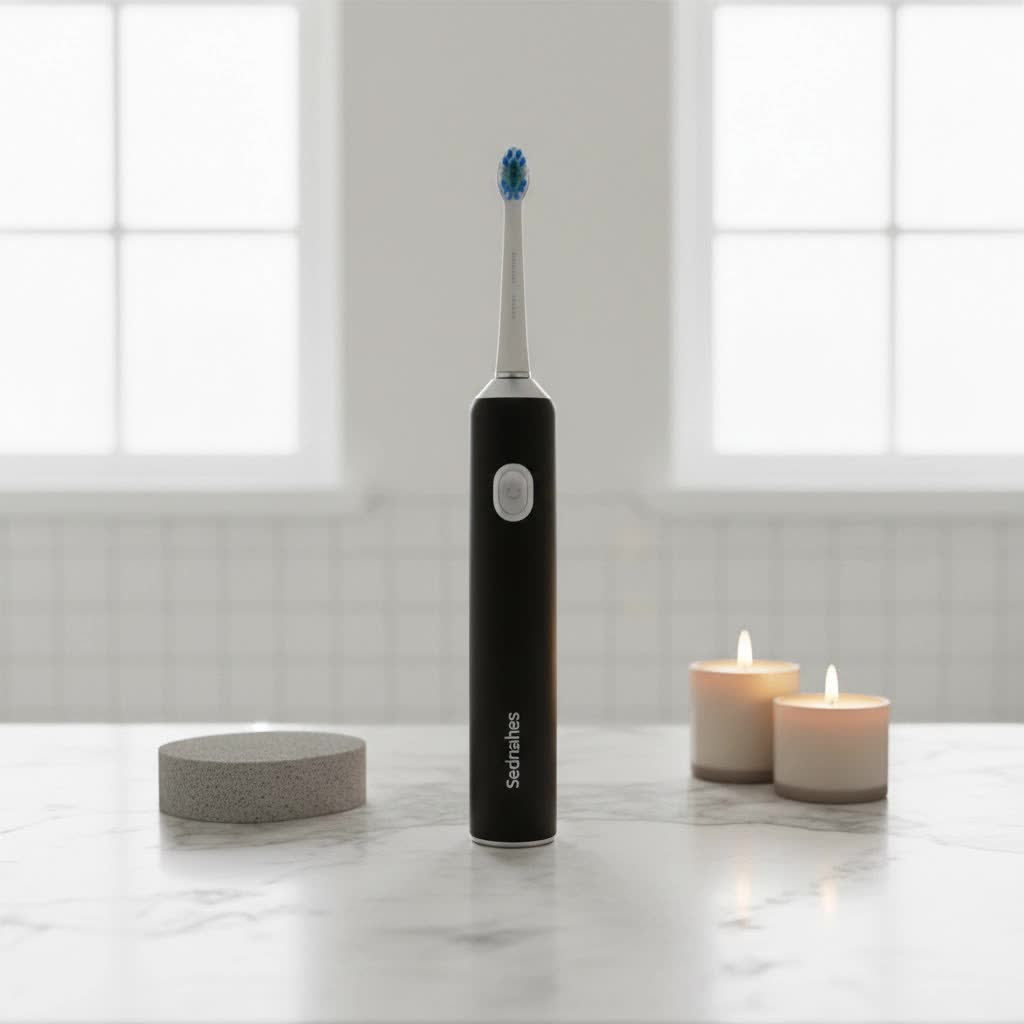
What is an Electric Toothbrush? Why Should You Use One?
|
Our Picks for the Best Electric Toothbrush in 2026
As an Amazon Associate I earn from qualifying purchases.
|
||
| Num | Product | Action |
|---|---|---|
| 1 | Oral-B Pro 1000 Rechargeable Electric Toothbrush, Pink |

|
| 2 | Oral-B Pro 1000 Rechargeable Electric Toothbrush, Black |
|
| 3 | Oral-B Pro 1000 Rechargeable Electric Toothbrush, White |
|
| 4 | Aquasonic Black Series Ultra Whitening Toothbrush – ADA Accepted Electric Toothbrush- 8 Brush Heads & Travel Case – 40,000 VPM Electric Motor & Wireless Charging - 4 Modes w Smart Timer |
|
| 5 | Oral-B iO Deep Clean Rechargeable Electric Toothbrush, Black, iO Series 3 Limited, 2 Brush Heads, Travel Case, Pressure Sensor, 3 Cleaning Settings |
|
| 6 | Ultrasonic Toothbrush for Adults - Automatic Electric Toothbrush with Soft Bristles Waterproof & Washable Rechargeable Portable Design with Wireless Charging 30'' Timer for Travel & Home Use (White) |
|
| 7 | Philips Sonicare 1100 Series Electric Toothbrush - Sonic Toothbrush with Advanced Sonic Technology, EasyStart, Smartimer & Quadpacer, White, Model HX3641/02 |
|
| 8 | Electric Toothbrush with Water Flosser for Teeth, Sonic Electric Toothbrush and Electric Floss for Adults and Kids, Water Dental Picks, Cleaning and Flossing Dental Care, Waterproof |
|
| 9 | Philips Sonicare 4100 Series Electric Toothbrush - Sonic Toothbrush with Advanced Sonic Technology, Pressure Sensor, Two Intensity Settings, Smartimer & Quadpacer, Black, Model HX3681/24 |
|
| 10 | Philips Sonicare 4100 Series Electric Toothbrush - Sonic Toothbrush with Advanced Sonic Technology, Pressure Sensor, Two Intensity Settings, Smartimer & Quadpacer, White, Model HX3681/23 |
|
An electric toothbrush is a dental hygiene device that uses a motor to move the brush head, performing either oscillating-rotating or sonic vibrations to clean teeth and gums. Unlike manual toothbrushes, which rely entirely on your hand movements, electric toothbrushes automate the brushing action. This can lead to more consistent and effective cleaning, reducing the variability that often comes with manual brushing.
When comparing electric versus manual toothbrushes, electric models often offer several advantages for gum health. They are generally more effective at removing plaque and reducing gingivitis, which are critical factors in preventing gum recession. While some might worry about electric toothbrushes being too harsh, many models are designed with features specifically to protect gums. The consistent motion and optimal pressure delivered by an electric toothbrush can make it safer for delicate gum tissue than aggressive manual brushing.
The benefits for gum health are significant. Electric toothbrushes excel at thorough plaque removal, especially along the gumline and in hard-to-reach areas. Their controlled movements and often softer bristles provide a gentle yet highly efficient clean, helping to prevent the irritation and inflammation that can lead to gum recession. Many models also incorporate features like pressure sensors and timers, which guide users toward proper brushing techniques, further safeguarding gum health.
Understanding Gum Recession: Causes and Concerns
Gum recession, clinically known as gingival recession, occurs when the gum tissue surrounding the teeth pulls back or wears away, exposing more of the tooth’s root surface. This exposure can lead to increased tooth sensitivity, a higher risk of decay on the exposed root, and even eventual tooth loss if left unmanaged. Recognizing the causes of gum recession is the first step toward prevention and effective management.
Several factors contribute to gum recession. One of the most common culprits is aggressive tooth brushing. Applying too much force or using a hard-bristled brush, whether manual or electric, can physically abrade gum tissue over time. Periodontal disease, including gingivitis (gum inflammation) and periodontitis (a more severe infection affecting the bone supporting teeth), is another primary cause. These bacterial infections destroy gum tissue and bone. Other contributing factors include genetics, tobacco use, hormonal changes (like during pregnancy or menopause), teeth grinding or clenching (bruxism), and misaligned teeth.
While improper brushing technique is often blamed, electric toothbrushes themselves do not inherently cause gum recession. In fact, when used correctly with appropriate features, they can be highly beneficial in preventing or managing the condition. By effectively removing plaque and reducing inflammation, electric toothbrushes address key causes of gum disease, thereby protecting your gums from further recession. The controlled action of an electric toothbrush, especially those with pressure sensors, can help users avoid applying excessive force, making them a safer option for maintaining gum health.
Types of Electric Toothbrushes
The electric toothbrush market offers several technologies, primarily categorized into oscillating-rotating and sonic toothbrushes, each with distinct characteristics and benefits for gum health.
Oscillating-Rotating Toothbrushes
These brushes feature a small, round brush head that oscillates (moves back and forth) and often pulsates (moves in and out) to clean individual teeth. The cleaning action is vigorous, designed to “hug” each tooth and scrub away plaque.
- Characteristics: Small, round head; motor-driven oscillating and pulsating movements.
- Advantages: Highly effective at plaque removal, particularly for individuals who struggle with manual dexterity. Some studies show superior plaque reduction compared to manual brushes.
- Disadvantages: Can feel more aggressive due to the mechanical scrubbing action. If used with too much pressure, they can contribute to gum irritation or recession, though modern models often include pressure sensors to mitigate this risk.
- Suitability for Receding Gums: Effective for plaque control, but users must pay close attention to pressure to avoid further damage. Pressure sensors are crucial here.
Sonic Toothbrushes
Sonic toothbrushes vibrate at very high frequencies, typically between 20,000 to 40,000 strokes per minute or more. This rapid vibration creates dynamic fluid action that reaches beyond the bristles to clean areas slightly beyond where the bristles touch, like just below the gumline.
- Characteristics: Standard-shaped brush head (similar to a manual brush); high-frequency sonic vibrations.
- Advantages: Generally considered gentler on gums and teeth due to the non-scrubbing action. The fluid dynamics can clean effectively even in tight spaces. Often preferred by individuals with sensitive gums or existing recession. Many models offer sensitive or gum care modes.
- Disadvantages: Can be more expensive. The intense vibration might feel unusual initially.
- Suitability for Receding Gums: Often recommended for sensitive gums and those with recession due to their gentle yet effective cleaning mechanism and the availability of specialized modes.
Which Type is Better for Receding Gums?
For individuals with sensitive gums or existing gum recession, sonic toothbrushes are frequently recommended. Their high-frequency vibrations provide a thorough clean without requiring the user to apply much physical pressure, significantly reducing the risk of further irritation or damage. While oscillating-rotating brushes are highly effective, the emphasis on gentle technique and the aid of a pressure sensor is even more critical for this type, especially if you have compromised gum health. Ultimately, the “best” type depends on individual comfort and how diligently one follows proper brushing guidelines.
Top Electric Toothbrush Brands for Gum Health
When considering an electric toothbrush for gum health, particularly with concerns about recession, two brands consistently stand out for their advanced technology and focus on user-friendly features: Oral-B and Philips Sonicare.
| Brand | Notable Technology | Advantages | Disadvantages | Price Range (Approx.) |
|---|---|---|---|---|
| Oral-B | Oscillating-Rotating, 3D Cleaning, Magnetic iO Technology | Deep cleaning, excellent plaque removal, many models with smart pressure sensors, varied brush heads for specific needs | Can feel more vigorous, replacement heads can be costly, higher-end models are expensive | $50 – $300+ |
| Philips Sonicare | High-Frequency Sonic Vibrations, Dynamic Fluid Action, BrushSync Technology | Gentle on gums, effective plaque removal with less abrasive action, long battery life, often includes gum care modes, sleek designs | Can be relatively expensive, fewer brush head variations compared to Oral-B | $70 – $350+ |
| Xiaomi | Sonic Vibrations, Budget-Friendly Smart Features | Affordable, minimalist design, good basic cleaning, some models include smart features and pressure sensors | May not offer the same level of advanced gum protection or durability as premium brands | $20 – $70+ |
Oral-B electric toothbrushes, particularly the iO series, combine oscillating-rotating action with micro-vibrations for an incredibly thorough clean. Their smart pressure sensors are a standout feature, using visual cues (e.g., green for optimal pressure, red for too much) to guide users. This is invaluable for preventing over-brushing, a common cause of gum recession.
Philips Sonicare is renowned for its sonic technology, which delivers high-speed vibrations that generate dynamic fluid forces to clean teeth and gently stimulate gums. Many Sonicare models, like the ProtectiveClean series, feature pressure sensors and dedicated gum care modes, making them an excellent choice for individuals with sensitive or receding gums. Their gentler action is often preferred by those transitioning from manual brushing or seeking a less abrasive cleaning experience.
Xiaomi offers a compelling budget-friendly alternative. While not always equipped with the most advanced features of premium brands, many Xiaomi sonic toothbrushes provide effective cleaning with soft bristles and basic pressure sensors, making good oral hygiene accessible. However, for serious gum recession concerns, investing in a model with more sophisticated gum protection features from Oral-B or Philips Sonicare is often recommended.
How to Choose the Right Electric Toothbrush for Receding Gums
Selecting the ideal electric toothbrush when you have receding gums or are prone to them requires careful consideration of specific features.
1. Determine Your Specific Needs:
- Sensitive Teeth/Gums? If you experience sensitivity, a toothbrush with very gentle modes and extra-soft bristles is paramount. Sonic technology is generally recommended for its gentler action.
- Existing Gum Recession? Preventing further recession is key. Focus on pressure sensors and gum care modes.
- History of Gum Disease? Effective plaque removal without irritation is crucial. Look for brushes known for superior plaque reduction while being gentle.
- Want Whitening? Ensure the whitening mode is gentle enough for your gums or consider separate products.
2. Choose the Right Brush Type and Action:
- Sonic: Often the top recommendation for receding gums and sensitivity. Its high-frequency vibrations are less abrasive and create a fluid dynamic that cleans gently beneath the gumline.
- Oscillating-Rotating: While highly effective at plaque removal, ensure the model has a robust pressure sensor and that you commit to using light pressure.
3. Prioritize Brush Head Design:
- Soft Bristles: This is non-negotiable. Always choose brush heads labeled “soft” or “extra-soft” for sensitive gums. Hard bristles can exacerbate recession.
- Compact Head: A smaller brush head can more easily navigate tight spaces and reach all tooth surfaces, including the gumline, without aggressive maneuvering.
- Specialized Bristles: Look for brush heads with ultra-slim or tapered bristles that can reach deeper into pockets gently.
4. Look for Essential Features:
- Pressure Sensor: This is arguably the most crucial feature for receding gums. It alerts you (via light, vibration, or app notification) when you’re brushing too hard, preventing damage.
- Built-in Timer: A 2-minute timer with 30-second quadrant pacing ensures you brush for the dentist-recommended duration, covering all areas evenly without over-brushing one spot.
- Multiple Cleaning Modes: “Sensitive” or “Gum Care” modes reduce the intensity of the brush, providing a gentler experience tailored for vulnerable gums.
- Bluetooth Connectivity/Smart Apps: Some advanced models connect to an app, offering real-time feedback on your brushing technique, coverage, and pressure. This can be highly beneficial for correcting habits.
- Battery Life: A longer battery life is convenient, especially for travel.
5. Consider Your Budget:
While premium electric toothbrushes offer the most advanced features, effective options exist across various price points. Prioritize the core protective features like a pressure sensor and soft bristles. Compare prices across retailers to find the best deal. Remember, the investment in a good electric toothbrush is an investment in your long-term oral health.
Recommended Electric Toothbrushes for Receding Gums
Based on dentist recommendations and features ideal for sensitive gums, here are a few top picks that balance effective cleaning with gentle care.
1. Philips Sonicare ProtectiveClean 4100/6100 Series
- Key Advantages: This series is consistently praised for its gentle sonic cleaning action. It features a built-in pressure sensor that alerts you with a pulsing sound if you’re brushing too hard. It also includes a 2-minute timer and quadpacer. The ProtectiveClean 6100 offers multiple cleaning modes and intensities, including a “Gum Care” mode, making it highly customizable for sensitive mouths. The soft-bristled heads are designed for gentle plaque removal.
- Considerations: While excellent for gentleness, some may find the overall power slightly less intense than Oral-B’s oscillating-rotating models.
- Ideal for: Individuals new to electric toothbrushes, those with significant sensitivity or existing recession, and anyone prioritizing gentle, consistent cleaning.
2. Oral-B iO Series
- Key Advantages: The Oral-B iO series represents a significant leap in electric toothbrush technology, combining oscillating-rotating cleaning with micro-vibrations for a unique, highly effective, and surprisingly gentle clean. Its standout feature is the smart pressure sensor, which uses a light ring to indicate optimal pressure (green), too much pressure (red), or too little (white). This real-time feedback is invaluable for preventing over-brushing. Various models offer multiple cleaning modes, including “Sensitive” and “Gum Care.”
- Considerations: These are premium toothbrushes with a higher price point for both the handle and replacement heads.
- Ideal for: Tech-savvy users wanting advanced feedback, those looking for superior plaque removal with built-in gum protection, and individuals who may have a tendency to brush too aggressively.
3. Waterpik Sensonic Electric Toothbrush
- Key Advantages: Waterpik, known for its water flossers, also offers effective sonic toothbrushes. The Sensonic provides powerful sonic vibrations to break up plaque effectively while remaining gentle. It often comes with multiple brush heads, including soft-bristled options, and features a 2-minute timer. Some models include a “Gum Care” mode. It’s often seen as a good value option that delivers strong performance for its price.
- Considerations: May not have the advanced smart features (like app connectivity or multi-color pressure sensors) of the top-tier Oral-B iO or Philips Sonicare models.
- Ideal for: Users seeking a robust sonic cleaning experience that is still gentle on gums, without necessarily needing all the high-tech bells and whistles.
Each of these recommended models prioritizes features crucial for managing gum recession: gentle cleaning, effective plaque removal, and crucial pressure feedback. Always pair your chosen electric toothbrush with soft-bristled brush heads specifically designed for sensitive gums.
How to Use an Electric Toothbrush Correctly with Receding Gums
Using an electric toothbrush effectively, especially with receding gums, is more about technique than force. The brush does most of the work for you.
- Attach the Right Brush Head: Always use a soft-bristled brush head, ideally one designed for sensitive gums.
- Apply Pea-Sized Toothpaste: Wet the brush head slightly, then apply a small, pea-sized amount of fluoride toothpaste.
- Position at a 45-Degree Angle: Place the brush head against your teeth at a 45-degree angle to the gumline. This helps the bristles reach into the gum pocket gently.
- Gentle Pressure, No Scrubbing: Turn on the toothbrush after placing it in your mouth. Allow the brush to do the work. Do not scrub back and forth like a manual toothbrush. Gently guide the brush head slowly from tooth to tooth, letting it rest on each tooth for a few seconds.
- Follow the Timer: Most electric toothbrushes have a 2-minute timer, often with a quadpacer that signals every 30 seconds to move to a different quadrant of your mouth (upper right, upper left, lower left, lower right). Ensure you cover all surfaces: outer, inner, and chewing surfaces of your teeth.
- Don’t Forget Your Tongue: Gently brush your tongue to remove bacteria and freshen breath.
- Rinse and Clean: After brushing, rinse your mouth with water. Detach and rinse your brush head thoroughly under running water, then let it air dry.
- Floss Daily: An electric toothbrush is highly effective, but it cannot replace flossing. Floss daily to remove plaque and food particles from between your teeth and just below the gumline.
- Regular Dental Check-ups: Continue to visit your dentist and hygienist regularly for professional cleanings and check-ups. They can assess your gum health and provide personalized advice on your brushing technique.
By adhering to these steps, you can maximize the benefits of your electric toothbrush while protecting your delicate gum tissue from further recession.
Common Mistakes When Using an Electric Toothbrush and How to Avoid Them
Even with the best intentions, users can make mistakes with electric toothbrushes that might exacerbate gum recession or hinder effective cleaning. Awareness and simple adjustments can help.
1. Brushing Too Hard: This is the most prevalent error and the primary reason electric toothbrushes are sometimes mistakenly linked to gum recession. Many people transfer their aggressive manual brushing habits to an electric brush.
- Fix: Trust the technology. The electric toothbrush is designed to do the work. Hold the brush with a light grip, almost as if holding a pen. If your brush has a pressure sensor, pay attention to its alerts and ease up immediately if it signals too much force.
2. Using the Wrong Brush Head: Employing medium or hard-bristled brush heads can be abrasive, especially for receding gums.
- Fix: Always opt for soft or extra-soft bristled brush heads. These are gentle on gum tissue while still being highly effective at plaque removal. Replace your brush head every three months or sooner if the bristles fray.
3. Not Brushing Long Enough (or Too Long in One Spot): Inconsistent brushing duration can lead to missed spots or over-brushing certain areas.
- Fix: Utilize the built-in timer and quadpacer. These features guide you to brush for the recommended two minutes, ensuring you dedicate 30 seconds to each quadrant of your mouth, covering all areas evenly.
4. Incorrect Angle or Movement: Scrubbing back and forth or holding the brush incorrectly.
- Fix: Hold the brush at a 45-degree angle towards the gumline and simply guide it from tooth to tooth. Let the brush’s motion clean, rather than trying to scrub manually.
5. Neglecting Flossing: Believing an electric toothbrush can do it all.
- Fix: Floss daily. Electric toothbrushes are excellent for cleaning tooth surfaces, but floss is essential for removing plaque and food debris from between teeth and just under the gumline, where bristles cannot reach.
By understanding these common pitfalls and actively correcting them, you can ensure your electric toothbrush is a tool for optimal gum health, not a contributor to recession.
> “Electric toothbrushes, when chosen and used correctly, are not only safe but often superior to manual brushing for individuals with receding gums. The key lies in selecting models with soft bristles and pressure sensors, and most importantly, mastering the gentle technique.” – Dr. Emily R. Chen, Periodontist specializing in gum health.
Conclusion
Navigating the world of oral hygiene with receding gums requires a thoughtful approach, and the electric toothbrush stands out as a powerful ally. Far from being a cause of gum recession, when used correctly, these advanced devices offer superior plaque removal, gentle cleaning action, and crucial feedback mechanisms like pressure sensors that actively protect your delicate gum tissue. By choosing a model with soft bristles and dedicated gum care features, and by adopting a gentle, guided brushing technique, you can effectively manage existing recession and prevent further damage. Embracing the right electric toothbrush and proper oral care habits is a significant step towards a healthier, more confident smile.
What steps will you take today to optimize your brushing routine for healthier gums?
Frequently Asked Questions
Can an electric toothbrush make gum recession worse?
No, an electric toothbrush will not typically make gum recession worse if used correctly. The primary cause of worsening recession is aggressive brushing, regardless of the toothbrush type. Electric toothbrushes with pressure sensors and soft bristles, used with a gentle guiding motion, can actually help prevent further damage by ensuring you don’t brush too hard.
What features should I look for in an electric toothbrush for receding gums?
For receding gums, prioritize electric toothbrushes with soft-bristled brush heads, a built-in pressure sensor (to alert you if you brush too hard), multiple cleaning modes (especially “sensitive” or “gum care” modes), and a 2-minute timer. Sonic technology is often recommended for its gentler cleaning action.
Is a sonic or oscillating-rotating electric toothbrush better for sensitive gums?
For sensitive gums and receding gum lines, a sonic electric toothbrush is generally recommended. Its high-frequency vibrations provide a gentle yet effective clean without requiring the same mechanical scrubbing action as an oscillating-rotating brush, reducing the risk of irritation.
How often should I replace my electric toothbrush head if I have receding gums?
You should replace your electric toothbrush head every three months, or sooner if the bristles become frayed. Frayed bristles can be less effective and potentially more abrasive to your gums, which is particularly important to avoid with receding gums.
Can an electric toothbrush help regrow gums?
No, an electric toothbrush cannot regrow gums. Once gum tissue has receded, it does not naturally grow back. However, an electric toothbrush, by promoting excellent oral hygiene and preventing further damage, can help stop the progression of gum recession and maintain the health of your remaining gum tissue.
How do dentists recommend brushing with an electric toothbrush for receding gums?
Dentists recommend using a soft-bristled electric toothbrush with light pressure, allowing the brush to do the work. Position the brush at a 45-degree angle towards the gumline and gently guide it from tooth to tooth, covering all surfaces for two minutes. Always supplement with daily flossing and regular dental check-ups.
