Stepping into the world of electric toothbrushes can feel overwhelming with countless options promising a brighter, cleaner smile. As an oral care expert with over a decade of hands-on experience evaluating hundreds of models, I’ve seen firsthand how the right electric toothbrush can transform dental hygiene. If you’re looking to elevate your daily routine beyond what a manual brush can offer, this comprehensive guide will equip you with all the knowledge to choose the best electric toothbrush tailored to your needs and budget.
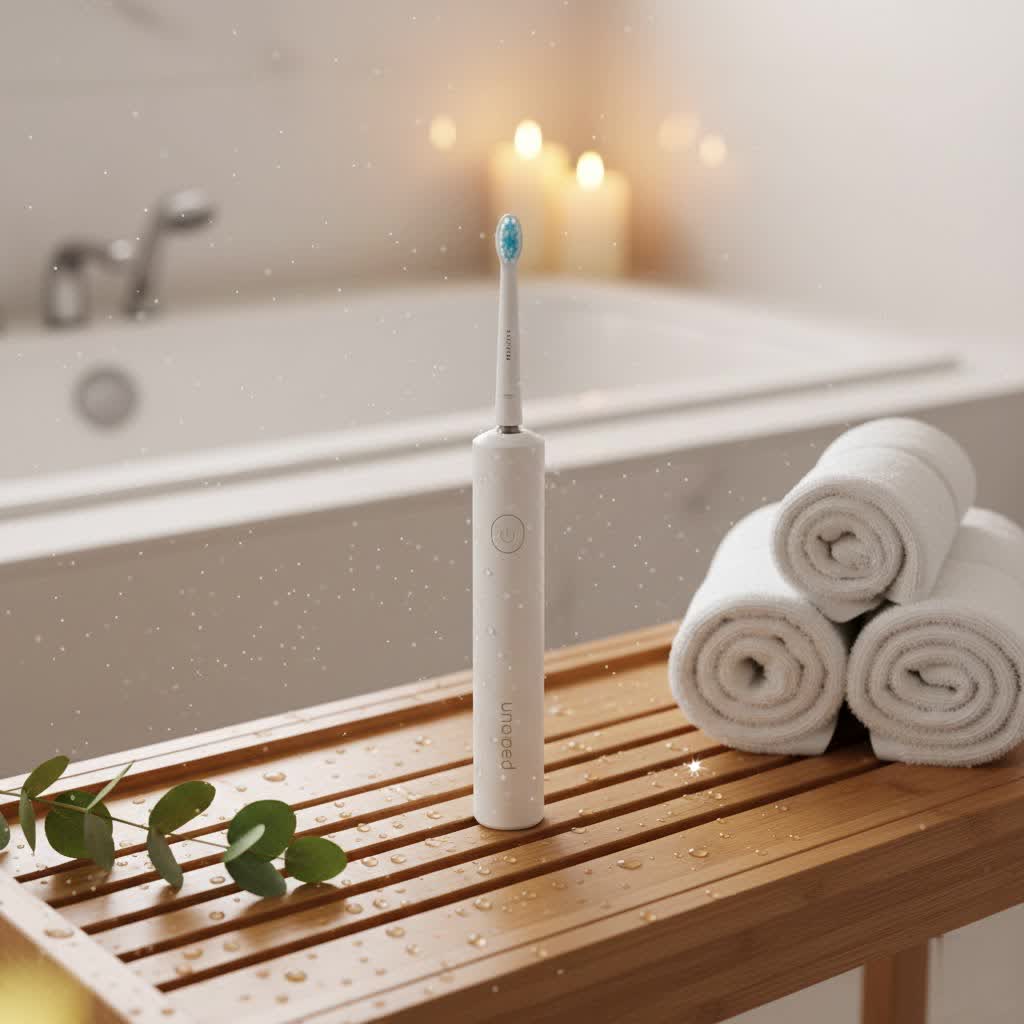
What is an Electric Toothbrush? And Why Make the Switch?
An electric toothbrush is an advanced oral hygiene device that uses a motor to move its bristles at high speeds, effectively removing plaque and food particles. Unlike a manual toothbrush, which relies entirely on your manual effort and technique, an electric toothbrush does most of the work for you, delivering thousands of strokes per minute through either rotating-oscillating or sonic vibrations.
The benefits of upgrading from a manual to an electric toothbrush are significant and well-documented. Studies consistently show that electric toothbrushes are superior in removing plaque, reducing it by 11-21% more than manual brushes over time. This enhanced cleaning power also leads to a notable reduction in gingivitis (gum disease), often by 6-11%. For many, particularly those with limited dexterity, arthritis, or even children, electric toothbrushes are easier to use and ensure a more consistent clean across all tooth surfaces. They largely take human error out of the equation, making it simpler to achieve a thorough clean every time.
Decoding the Types of Electric Toothbrushes
Electric toothbrushes primarily fall into two main categories, each with distinct cleaning mechanisms:
Oscillating-Rotating (Rotary) Toothbrushes
These toothbrushes feature small, round brush heads that rapidly rotate back and forth. Many models also incorporate pulsations, moving bristles toward and away from the teeth, to enhance plaque disruption and removal.
- Characteristics: Round brush head, cups each tooth, rotates, and often pulsates.
- Pros: Highly effective at physically scrubbing plaque off individual tooth surfaces, excellent for precision cleaning around braces or dental work, often perceived as providing a deeper clean.
- Cons: Can feel more intense, some models may be louder.
- Ideal for: Those seeking a robust, tooth-by-tooth cleaning, individuals with specific dental work, and those new to electric toothbrushes who want a clear cleaning action.
- Key Brand: Oral-B
|
Our Picks for the Best Electric Toothbrush in 2026
As an Amazon Associate I earn from qualifying purchases.
|
||
| Num | Product | Action |
|---|---|---|
| 1 | Oral-B iO Deep Clean Rechargeable Electric Toothbrush, Black, iO Series 3 Limited, 2 Brush Heads, Travel Case, Pressure Sensor, 3 Cleaning Settings |

|
| 2 | Oral-B Pro 1000 Rechargeable Electric Toothbrush, Black |
|
| 3 | Philips Sonicare 4100 Series Electric Toothbrush - Sonic Toothbrush with Advanced Sonic Technology, Pressure Sensor, Two Intensity Settings, Smartimer & Quadpacer, Black, Model HX3681/24 |
|
| 4 | Philips Sonicare 4100 Series Electric Toothbrush - Sonic Toothbrush with Advanced Sonic Technology, Pressure Sensor, Two Intensity Settings, Smartimer & Quadpacer, White, Model HX3681/23 |
|
| 5 | Philips Sonicare 1100 Series Electric Toothbrush - Sonic Toothbrush with Advanced Sonic Technology, EasyStart, Smartimer & Quadpacer, White, Model HX3641/02 |
|
| 6 | Ultrasonic Toothbrush for Adults - Automatic Electric Toothbrush with Soft Bristles Waterproof & Washable Rechargeable Portable Design with Wireless Charging 30'' Timer for Travel & Home Use (White) |
|
| 7 | Aquasonic Black Series Ultra Whitening Toothbrush – ADA Accepted Electric Toothbrush- 8 Brush Heads & Travel Case – 40,000 VPM Electric Motor & Wireless Charging - 4 Modes w Smart Timer |
|
| 8 | Oral-B Pro 1000 Rechargeable Electric Toothbrush, Pink |
|
| 9 | Oral-B Pro 1000 Rechargeable Electric Toothbrush, White |
|
| 10 | Electric Toothbrush with Water Flosser for Teeth, Sonic Electric Toothbrush and Electric Floss for Adults and Kids, Water Dental Picks, Cleaning and Flossing Dental Care, Waterproof |
|
Sonic Toothbrushes
Sonic toothbrushes resemble traditional manual brushes in head shape but generate high-frequency vibrations that move the bristles side-to-side at incredibly high speeds—typically 24,000 to 62,000 movements per minute. These rapid vibrations create a “fluid dynamic” action, generating micro-bubbles that can dislodge plaque and food particles even beyond direct bristle contact, reaching between teeth and below the gumline.
- Characteristics: Elongated brush head, high-frequency vibrations, broad sweeping motion.
- Pros: Gentle on gums and teeth, excellent for sensitive mouths, provides a comprehensive clean through fluid dynamics, often quieter, and offers a cleaning experience similar to a manual brush.
- Cons: The initial ticklish sensation can take some getting used to.
- Ideal for: Users with sensitive teeth or gums, those who prefer a gentler feel, and individuals looking for effective cleaning of interdental spaces.
- Key Brands: Philips Sonicare, Xiaomi
Ultrasonic Toothbrushes
While sometimes grouped with sonic, true ultrasonic toothbrushes are distinct and rarer. They operate at an even higher frequency (over 20,000 Hz or 2.4 million movements per minute), using ultrasound waves to disrupt bacterial chains. These don’t rely on physical bristle motion for cleaning, although some models combine ultrasonic with sonic technology. They are typically very expensive, and dental professionals often recommend them as supplementary tools rather than primary daily brushes due to limited evidence supporting their sole use for complete plaque removal.
Choosing between oscillating-rotating and sonic technology often comes down to personal preference for the brushing sensation and specific oral health needs. Both types, when used correctly, offer superior cleaning to manual brushing.
Top Electric Toothbrush Brands Comparison
When it comes to leading the electric toothbrush market, a few brands consistently stand out for their innovation, effectiveness, and range of features. Here’s a quick comparison of some popular choices:
| Brand | Technology Highlights | Advantages | Disadvantages | Price Range (Indicative) |
|---|---|---|---|---|
| Oral-B | Oscillating-Rotating, 3D cleaning, iO Magnetic Technology, AI Brushing Recognition | Exceptional plaque removal, deep cleaning, extensive modes, robust apps, visual pressure sensors. | Can be louder, brush heads sometimes pricier than generic alternatives, can feel intense. | $60 – $400 |
| Philips Sonicare | Sonic Vibrations, Fluid Dynamics, Pressure Sensors, SenseIQ Technology | Gentle on gums, effective interdental cleaning, long battery life, sleek design, usually quieter. | Fewer brushing modes than some Oral-B models, premium pricing. | $70 – $350 |
| Xiaomi | Sonic Vibrations, Minimalist Design, App Integration | Highly affordable, good cleaning for the price, decent battery life, minimalist aesthetic. | App features may lack the polish of premium brands, brush head quality might vary. | $30 – $80 |
(Note: Prices are indicative and can vary significantly based on model, retailer, and sales.)
Your Ultimate Guide to Choosing the Right Electric Toothbrush
Selecting the perfect electric toothbrush involves more than just picking a brand. It’s about understanding your personal oral care landscape and matching it with the features that genuinely make a difference.
1. Assess Your Oral Health Needs
- Sensitive Teeth/Gums? Look for sonic brushes or models with a “sensitive” mode and a pressure sensor to prevent over-brushing. Soft bristles are also a must.
- Gum Issues? A brush with a “gum care” mode and a pressure sensor can help improve gum health by preventing irritation.
- Whitening Goals? Some brushes offer a dedicated “whitening” mode, often with a slightly higher frequency or specific brush head for stain removal.
- Braces or Dental Work? Oscillating-rotating brushes with smaller heads are often excellent for navigating around brackets and wires for precise cleaning. Sonic brushes can also be effective due to their fluid dynamics.
- Limited Mobility? The larger handles and automatic motion of electric toothbrushes make them significantly easier to use for individuals with conditions like arthritis.
2. Choose Your Brush Head Technology
As discussed, the choice between oscillating-rotating (Oral-B) and sonic (Philips Sonicare, Xiaomi) is largely a matter of personal preference. Both are highly effective.
- Oscillating-Rotating: If you like the feeling of a thorough, individual tooth-by-tooth scrub.
- Sonic: If you prefer a gentler, broader cleaning action that also reaches between teeth.
3. Essential Features to Look For
Beyond the core technology, certain features dramatically enhance your brushing experience and oral health outcomes:
- Pressure Sensor: This is arguably the most crucial feature. It alerts you—often with a light or a change in vibration—when you’re brushing too hard, protecting your enamel and gums from damage.
- Built-in Timer & Quadrant Pacer: Dentists recommend brushing for two minutes. A timer ensures you meet this duration, while a pacer (often a short buzz every 30 seconds) helps you divide your mouth into four quadrants, ensuring even cleaning.
- Multiple Brushing Modes: Many brushes offer modes like Daily Clean, Sensitive, Whitening, Gum Care, and Deep Clean. Choose a model that provides the modes relevant to your needs.
- Battery Life: Aim for a toothbrush that offers at least 2-3 weeks of battery life on a single charge, especially if you travel frequently. USB charging capabilities are a bonus for convenience.
- Replaceable Brush Heads: Ensure replacement heads are readily available and affordable. Consider specialized heads (e.g., sensitive, whitening, orthodontic) if you have specific needs. Always opt for soft bristles, as recommended by dentists.
- Smart Features (Bluetooth Connectivity & Apps): High-end models often connect to smartphone apps via Bluetooth, offering real-time feedback, brushing habit tracking, and personalized coaching to improve your technique. This can be particularly beneficial for children or for those looking to fine-tune their brushing.
4. Consider Your Budget and Long-Term Costs
Electric toothbrushes vary widely in price. While it’s tempting to go for the cheapest option, remember that price often reflects durability, power, and advanced features.
- Initial Investment: Entry-level models offer basic electric cleaning, while premium models come with advanced features like AI tracking, multiple modes, and interactive displays.
- Replacement Head Costs: This is a recurring expense. Factor in the cost of buying new brush heads every three months. Some brands are more expensive than others, and generic alternatives may not always be compatible or as effective.
Recommended Electric Toothbrushes for a Brighter Smile
Based on extensive testing and user feedback, here are some top picks that consistently deliver excellent results across various needs:
-
Oral-B iO Series (e.g., iO Series 10):
- Pros: Often hailed as the “best overall,” it combines Oral-B’s iconic round brush head with revolutionary iO Magnetic Technology for a smooth, quiet, and incredibly effective clean. Features like a smart pressure sensor, interactive display, and AI brushing recognition via an app provide real-time guidance, making it hard to miss a spot. Ideal for those who want the absolute best cleaning experience and smart technology integration.
- Cons: Premium price point, replacement heads can be costly.
-
Philips Sonicare DiamondClean Smart (e.g., 9000 Series):
- Pros: A top-tier sonic option known for its elegant design and gentle yet powerful cleaning. It boasts multiple modes and intensity settings, smart brush head recognition, and advanced pressure sensing. Excellent for stain removal and improving gum health while being gentle on sensitive teeth. The long battery life and sleek charging glass are also highlights.
- Cons: High price tag.
-
Xiaomi Mi Electric Toothbrush:
- Pros: An exceptional value option that punches above its weight. It utilizes sonic technology, offers multiple cleaning modes, and connects to a basic app for habit tracking. It’s affordable, boasts a minimalist design, and delivers a respectable clean, making it a great entry point into smart electric brushing without breaking the bank.
- Cons: App functionality is less sophisticated than premium brands, and some may find the overall build quality less robust than Oral-B or Sonicare.
How to Master Your Electric Toothbrush for Optimal Oral Health
Even the best electric toothbrush needs proper technique to shine. Follow these steps for an optimal clean:
- Charge and Assemble: Ensure your toothbrush is fully charged. Attach the appropriate brush head firmly onto the handle.
- Apply Toothpaste: Apply a pea-sized amount of fluoride toothpaste to the brush head.
- Position the Brush: Place the brush head at a 45-degree angle to your gums, covering one or two teeth at a time.
- Glide, Don’t Scrub: Turn on the toothbrush and gently guide it across your teeth. Let the brush do the work; you don’t need to scrub vigorously like with a manual brush. The pressure sensor will alert you if you’re pressing too hard.
- Follow the Timer: The built-in 2-minute timer and 30-second quadrant pacer are your best friends. Move the brush to a new quadrant of your mouth each time the pacer alerts you.
- Cover All Surfaces: Ensure you brush the outer, inner, and chewing surfaces of all your teeth, including those hard-to-reach molars.
- Rinse and Clean: After brushing, rinse your mouth, then rinse the brush head thoroughly under running water. Remove the brush head occasionally and rinse the connection point to prevent toothpaste buildup.
- Store Properly: Store your brush upright to air dry. For optimal hygiene, change your brush head every three months, or sooner if the bristles appear frayed.
Troubleshooting Common Electric Toothbrush Issues
Even the most reliable electric toothbrushes can occasionally encounter minor hiccups. Here’s how to address some common problems:
- Brush Not Vibrating/Rotating:
- Check Charge: A low battery is the most common culprit. Ensure it’s fully charged.
- Secure Head: Make sure the brush head is securely attached.
- Manufacturer Support: If still unresponsive, consult your user manual or contact customer service, especially if it’s a new brush under warranty.
- Battery Draining Quickly:
- Charging Habits: Ensure you’re fully charging the brush. Some users mistakenly charge only for short periods.
- Age of Battery: Over time, rechargeable batteries naturally degrade. If your brush is several years old, this might be normal wear and tear.
- Faulty Charger: Test with another compatible charger if possible.
- Brush Head Wearing Out Too Quickly:
- Brushing Pressure: You might be brushing too hard. Utilize the pressure sensor if your brush has one, and lighten your grip.
- Bristle Type: Ensure you’re using the recommended bristle type (usually soft or extra-soft).
- Quality of Heads: Ensure you’re using genuine replacement heads, as off-brand ones might be of lower quality.
- Gums Bleeding/Sensitivity:
- Over-brushing: This is often due to applying too much pressure. Let the electric toothbrush do the work. The pressure sensor is vital here.
- New User Adjustment: It’s common for gums to be slightly sensitive for the first few days as they adapt to the new cleaning intensity. If it persists, switch to a sensitive mode and consult your dentist.
- Worn Brush Head: An old, frayed brush head can be abrasive. Replace it promptly.
Conclusion
Investing in a Good Electric Toothbrush is one of the smartest decisions you can make for your oral health. With their superior plaque removal, gum protection, and user-friendly features like timers and pressure sensors, they offer a consistent, high-quality clean that’s hard to match with a manual brush. Whether you prefer the targeted action of an oscillating-rotating brush or the gentle sweep of a sonic model, there’s a perfect electric toothbrush waiting to help you achieve a brighter, healthier smile. By understanding your needs and leveraging the advanced technology available, you can unlock a new level of dental hygiene. Are you ready to make the switch and experience the difference for yourself?
Frequently Asked Questions
Are electric toothbrushes really better than manual ones?
Yes, numerous studies show that electric toothbrushes are significantly more effective at removing plaque and reducing gingivitis than manual toothbrushes, primarily due to their consistent high-speed movements and built-in features like timers and pressure sensors.
How often should I replace my electric toothbrush head?
Dental professionals recommend replacing your electric toothbrush head every three months, or sooner if the bristles appear visibly frayed or worn. This ensures optimal cleaning performance and hygiene.
Can children use electric toothbrushes?
Absolutely! Many brands offer age-appropriate electric toothbrushes designed for children, often with smaller heads, gentle modes, and fun features (like app games) to encourage good brushing habits. Always check age recommendations.
What is a pressure sensor on an electric toothbrush?
A pressure sensor is a feature that alerts you (e.g., via a light, vibration change, or app notification) when you are brushing too hard. This is crucial for protecting your tooth enamel and gums from potential damage caused by excessive force.
Is a sonic or oscillating-rotating electric toothbrush better?
Both sonic and oscillating-rotating electric toothbrushes are highly effective, and the “better” choice often comes down to personal preference. Sonic brushes are generally gentler with a broader cleaning action, while oscillating-rotating brushes offer a more intense, tooth-by-tooth scrub.
How long should I brush my teeth with an electric toothbrush?
Dentists recommend brushing for two minutes, twice a day. Most electric toothbrushes come with a built-in timer that signals when two minutes have passed and often include a quadrant pacer to ensure you spend 30 seconds on each section of your mouth.
Can an electric toothbrush help with sensitive teeth?
Yes, many electric toothbrushes, especially sonic models, offer specific “sensitive” modes and soft brush heads that provide a gentle yet effective clean. The built-in pressure sensor is also vital for preventing aggravation of sensitive areas by over-brushing.
