Are you ready to elevate your oral hygiene from good to exceptional? For years, the humble manual toothbrush served its purpose, but modern dentistry consistently points towards a more effective solution: the electric toothbrush. Among the various technologies available, the Oscillating Electric Toothbrush stands out, championed by many dental professionals for its unparalleled cleaning power. This guide will delve deep into what makes these devices so effective, how to choose the perfect one for your needs, and how to maximize its benefits for a healthier, brighter smile.
What is an Oscillating Electric Toothbrush? Why Should You Use One?
|
Our Picks for the Best Electric Toothbrush in 2026
As an Amazon Associate I earn from qualifying purchases.
|
||
| Num | Product | Action |
|---|---|---|
| 1 | Oral-B Pro 1000 Rechargeable Electric Toothbrush, White |

|
| 2 | Philips Sonicare 4100 Series Electric Toothbrush - Sonic Toothbrush with Advanced Sonic Technology, Pressure Sensor, Two Intensity Settings, Smartimer & Quadpacer, Black, Model HX3681/24 |
|
| 3 | Oral-B Pro 1000 Rechargeable Electric Toothbrush, Black |
|
| 4 | Oral-B iO Deep Clean Rechargeable Electric Toothbrush, Black, iO Series 3 Limited, 2 Brush Heads, Travel Case, Pressure Sensor, 3 Cleaning Settings |
|
| 5 | Aquasonic Black Series Ultra Whitening Toothbrush – ADA Accepted Electric Toothbrush- 8 Brush Heads & Travel Case – 40,000 VPM Electric Motor & Wireless Charging - 4 Modes w Smart Timer |
|
| 6 | Philips Sonicare 1100 Series Electric Toothbrush - Sonic Toothbrush with Advanced Sonic Technology, EasyStart, Smartimer & Quadpacer, White, Model HX3641/02 |
|
| 7 | Electric Toothbrush with Water Flosser for Teeth, Sonic Electric Toothbrush and Electric Floss for Adults and Kids, Water Dental Picks, Cleaning and Flossing Dental Care, Waterproof |
|
| 8 | Philips Sonicare 4100 Series Electric Toothbrush - Sonic Toothbrush with Advanced Sonic Technology, Pressure Sensor, Two Intensity Settings, Smartimer & Quadpacer, White, Model HX3681/23 |
|
| 9 | Oral-B Pro 1000 Rechargeable Electric Toothbrush, Pink |
|
| 10 | Ultrasonic Toothbrush for Adults - Automatic Electric Toothbrush with Soft Bristles Waterproof & Washable Rechargeable Portable Design with Wireless Charging 30'' Timer for Travel & Home Use (White) |
|
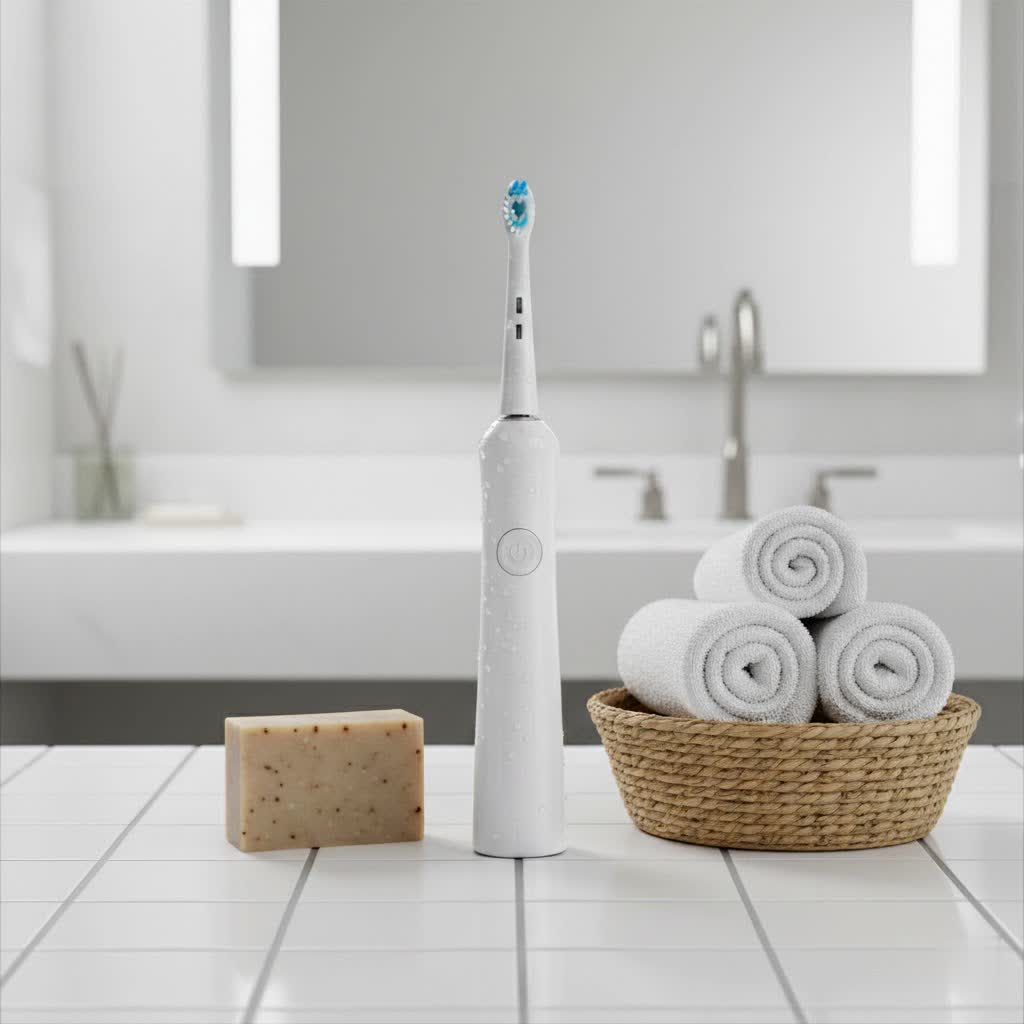
An oscillating electric toothbrush is a power toothbrush characterized by a small, round brush head that rotates back and forth at high speeds, often combined with pulsations. Unlike manual brushing, where effectiveness largely depends on your technique, an oscillating toothbrush does the hard work for you, physically detaching and sweeping away plaque and debris.
Electric vs. Manual Toothbrushes: A Clear Advantage
While a manual toothbrush can be effective with perfect technique, most people simply don’t achieve the thorough cleaning required. Electric toothbrushes consistently outperform manual brushes in clinical trials, particularly for plaque removal and gingivitis reduction.
| Feature | Manual Toothbrush | Oscillating Electric Toothbrush |
|---|---|---|
| Cleaning Action | Relies on user’s manual scrubbing | Small, round head rotates back-and-forth, often with pulsations |
| Plaque Removal | Variable, depends heavily on technique | Significantly more effective, removes up to 100% more plaque |
| Gum Health | Can cause recession if brushed too hard | Gentle on gums with proper use, reduces gingivitis and bleeding |
| Consistency | Varies with each brushing session | Consistent cleaning performance with built-in timers and pressure sensors |
| Ease of Use | Requires specific technique | Easier to use; simply guide it along teeth, letting the brush do the work |
| Special Features | None | Timers, pressure sensors, multiple modes, smart connectivity |
The benefits of an oscillating electric toothbrush extend far beyond basic plaque removal. Its rapid, precise movements effectively clean individual tooth surfaces, reach challenging areas between teeth, and along the gum line, promoting overall gum health. Many models also feature integrated pressure sensors to prevent excessive force, safeguarding your gums and enamel from damage.
Exploring Popular Electric Toothbrush Types
The world of electric toothbrushes is primarily divided into two main categories: oscillating-rotating and sonic. Understanding their differences is key to making an informed choice for your oral care.
Oscillating-Rotating Electric Toothbrushes
These brushes, famously pioneered by Oral-B, feature a small, round brush head designed to cup each tooth individually. The head performs rapid back-and-forth rotations, often augmented by pulsations that vibrate to break up and sweep away plaque. This “3D cleaning action” is known for its aggressive, yet effective, plaque removal. Oscillating models can generate between 2,500 and 8,800 rotations per minute, with some advanced models adding up to 40,000 pulsations per minute.
- Pros: Exceptional plaque removal, highly effective for targeting individual teeth, often recommended for addressing specific gum issues and cleaning around orthodontic appliances.
- Cons: Some users, particularly those with sensitive gums, may find the sensation intense. The smaller head requires a more deliberate, tooth-by-tooth brushing approach, potentially taking slightly longer to cover the entire mouth.
Sonic Electric Toothbrushes
In contrast, sonic toothbrushes typically have a more elongated, oval brush head that resembles a manual toothbrush. They operate using high-frequency vibrations, generating between 24,000 and 62,000 brush strokes per minute. This high-speed vibration creates a dynamic fluid action, pushing toothpaste and water between teeth and along the gum line, cleaning areas beyond direct bristle contact. Philips Sonicare is the leading brand in this category.
- Pros: Gentler brushing experience, ideal for sensitive gums and those new to electric toothbrushes, covers a larger surface area at once, and the fluid dynamics can reach between teeth more easily.
- Cons: May not offer the same “scrubbing” sensation as an oscillating brush, and some studies suggest oscillating brushes might be marginally more effective for plaque and gingivitis reduction.
Which Type is Right for You?
Both oscillating-rotating and sonic toothbrushes are vastly superior to manual brushing. The choice often comes down to personal preference and specific dental needs. If you prioritize an intensive, tooth-by-tooth clean with proven plaque removal efficacy, an oscillating electric toothbrush is an excellent choice. If you prefer a gentler, broader cleaning action with dynamic fluid action, a sonic brush might be more appealing.
Comparison Table of Leading Electric Toothbrush Brands
When considering an oscillating electric toothbrush, Oral-B is the undisputed leader, having pioneered and continually innovated this technology. Here’s a quick overview of prominent brands, including a leading sonic alternative and a common budget option, to help you understand the landscape.
| Thương hiệu | Công nghệ nổi bật | Ưu điểm | Nhược điểm | Giá tham khảo (Estimated) |
|---|---|---|---|---|
| Oral-B | Oscillating-Rotating with Micro-vibrations, AI, Bluetooth, Smart Pressure Sensor | Superior plaque removal, deep cleaning, many modes, advanced tech, dentist-inspired round head | Higher price point for advanced models, replacement heads can be costly | $50 – $300+ |
| Philips Sonicare | Sonic Vibrations, Fluid Dynamics, Pressure Sensor | Gentle on gums, excellent for sensitive teeth, long battery life, sleek design | Generally higher cost than basic oscillating, fewer scrubbing modes | $60 – $350+ |
| Xiaomi (Mi) | Sonic Vibrations, Minimalist Design | Very affordable, good entry-level option, simple to use | Not as powerful as premium brands, fewer advanced features | $20 – $50 |
| Quip Rev | Oscillating Rotating, Rechargeable | Stylish, basic effective clean, stable charging dock | Fewer advanced modes/features compared to Oral-B iO | $50 – $70 |
Note: Prices are approximate and can vary based on retailer, sales, and specific models.
Your Guide to Choosing the Perfect Oscillating Electric Toothbrush
Selecting an oscillating electric toothbrush involves considering several factors to ensure it aligns with your oral health goals and lifestyle.
1. Identify Your Specific Needs
Before diving into features, think about your dental health.
- Sensitive teeth or gums? Look for models with “sensitive” modes and a reliable pressure sensor. Newer Oral-B iO series models are designed to be gentler.
- Gum issues (gingivitis, bleeding)? Oscillating brushes are clinically proven to significantly reduce gingivitis and plaque, which are key to improving gum health.
- Aiming for whiter teeth? Many brushes offer “whitening” modes and specialized brush heads designed to remove surface stains.
- Braces or dental work? The small, round head of an oscillating brush is excellent for cleaning around brackets and other dental restorations.
2. Evaluate Brush Head Types
The brush head is where the cleaning action happens.
- Round vs. Oval: Oscillating brushes almost exclusively use small, round heads, designed to effectively cup and clean each tooth.
- Bristle Softness: Opt for soft bristles. Hard bristles, even on an electric brush, can damage enamel and gums.
- Specialized Heads: Oral-B offers various brush heads:
- CrossAction: Bristles angled to reach deep between teeth.
- Sensitive Gum Care: Extra soft bristles for gentle cleaning.
- Radiant White: Features polishing petals for stain removal.
- Specialized Clean: High-density tufts for hard-to-reach areas.
3. Essential and Advanced Features
Modern oscillating electric toothbrushes come packed with features that enhance the brushing experience and effectiveness.
- Pressure Sensor: A critical feature. It alerts you (via light, sound, or a change in vibration) when you’re brushing too hard, preventing damage to your gums and teeth. Some advanced sensors even detect if you’re not applying enough pressure.
- Built-in Timer: Most come with a 2-minute timer (dentist-recommended brushing time) and often a 30-second quadrant timer to ensure you clean all areas of your mouth evenly.
- Multiple Cleaning Modes: Common modes include Daily Clean, Sensitive, Gum Care, Whitening, and Pro-Clean. Choose a brush that offers modes suitable for your needs.
- Bluetooth Connectivity & AI: High-end models like the Oral-B iO series connect to a smartphone app, offering real-time coaching, 3D tooth tracking, and personalized feedback to improve your brushing technique.
- Battery Life: Consider how long the battery lasts on a single charge, especially if you travel frequently.
- Travel Case & Charger: A travel case is handy for portability, and some models include compact chargers.
4. Determine Your Budget
Oscillating electric toothbrushes range widely in price.
- Entry-level models offer core oscillating cleaning, a timer, and sometimes a basic pressure sensor, providing excellent value for money.
- Mid-range options add more cleaning modes, improved battery life, and more sophisticated pressure sensors.
- High-end smart brushes like the Oral-B iO series incorporate magnetic drives, interactive displays, AI, and extensive app integration for a premium experience.
Remember, an electric toothbrush is an investment in your oral health. Sometimes, spending a bit more upfront for features like an advanced pressure sensor can prevent costly dental issues down the line.
Top Oscillating Electric Toothbrushes for a Sparkling Smile
Based on innovation, effectiveness, and user feedback, here are some highly-regarded oscillating electric toothbrushes:
1. Oral-B iO Series (iO Series 10, 9, 5, 2)
The Oral-B iO series represents the pinnacle of oscillating-rotating technology. It combines Oral-B’s iconic round brush head with gentle micro-vibrations and a frictionless linear magnetic drive.
- Pros: Unrivaled cleaning power, extremely quiet operation, smart pressure sensor with optimal pressure indication, AI-powered brushing guidance with 3D tooth tracking (on higher models), interactive display, multiple modes.
- Cons: Premium price point, replacement heads can be expensive.
2. Oral-B Pro 1000
A consistently top-rated and ADA-accepted model, the Oral-B Pro 1000 offers excellent cleaning performance at a competitive price.
- Pros: Powerful oscillating-rotating action, built-in pressure sensor, 2-minute timer, affordable replacement brush heads, great value.
- Cons: Fewer advanced features compared to iO series, can be louder than newer models, fewer cleaning modes.
3. Quip Rev Oscillating Rechargeable Electric Toothbrush
For those seeking a more basic yet effective oscillating brush with a sleek design, the Quip Rev is a strong contender.
- Pros: Minimalist design, easy to use, stable charging dock, good for a straightforward oscillating clean.
- Cons: Lacks advanced features like extensive smart tracking or multiple intense cleaning modes.
How to Use Your Oscillating Electric Toothbrush Correctly
Even the best toothbrush needs proper technique to be truly effective.
- Attach the Brush Head: Securely attach the appropriate brush head for your needs.
- Apply Toothpaste: Apply a pea-sized amount of fluoride toothpaste to the brush head.
- Position the Brush: Place the brush head against your teeth at a slight angle towards the gum line.
- Brush Tooth-by-Tooth: Turn on the toothbrush. Instead of scrubbing, gently guide the brush head slowly from tooth to tooth, allowing it to oscillate for a few seconds on each surface (outer, inner, and chewing surfaces). The small, round head is designed to clean each tooth individually.
- Use the Timer: Pay attention to the built-in timer. Most brushes will pulse or briefly stop every 30 seconds, signaling you to move to a new quadrant of your mouth. Ensure you brush for the full 2 minutes.
- Gentle Pressure: Let the brush do the work. If your brush has a pressure sensor, it will alert you if you’re pressing too hard.
- Don’t Forget Your Tongue: Gently brush your tongue to remove bacteria and freshen your breath.
- Rinse and Store: After brushing, rinse your brush head thoroughly under running water and allow it to air dry. Store it upright.
Common Issues and Troubleshooting with Oscillating Electric Toothbrushes
While generally reliable, you might encounter a few common issues.
- Brush Not Vibrating/Rotating:
- Check Battery: Ensure the toothbrush is fully charged.
- Brush Head Connection: Make sure the brush head is securely attached. If it’s old or damaged, try replacing it.
- Debris: Sometimes, toothpaste residue can build up around the shaft, impeding movement. Clean the area carefully according to the manufacturer’s instructions.
- Battery Draining Quickly:
- Age of Battery: Rechargeable batteries degrade over time. If your brush is several years old, the battery life will naturally shorten.
- Charging Habits: Ensure you’re charging it correctly and not leaving it off the charger for extended periods if it’s a model designed to be stored on a charging base.
- Faulty Charger: Test with another compatible charger if possible.
- Brush Head Wears Out Too Quickly:
- Brushing Pressure: Applying too much pressure, even with a pressure sensor, can accelerate bristle wear.
- Replacement Schedule: Brush heads should generally be replaced every 3 months, or sooner if the bristles are frayed or faded (if it has indicator bristles).
- Quality of Heads: Ensure you’re using genuine or high-quality compatible replacement heads.
- Gums Bleed After Brushing:
- Initial Adjustment: It’s common for gums to bleed slightly for the first few days as your gums adjust to the superior cleaning. This should subside.
- Excessive Pressure: Despite the oscillating motion, you can still brush too hard. Pay attention to your pressure sensor.
- Gum Disease: Persistent bleeding could indicate underlying gum disease. Consult your dentist.
- Worn Brush Head: An old, splayed brush head can irritate gums. Replace it.
If issues persist, always refer to your toothbrush’s user manual or contact the manufacturer’s customer support. When in doubt about oral health concerns, a visit to your dentist is always recommended.
Conclusion
Embracing an oscillating electric toothbrush is a significant step towards achieving and maintaining optimal oral health. With its precise, powerful cleaning action and advanced features like pressure sensors and timers, it offers a superior cleaning experience compared to traditional manual brushing. While the choice between oscillating-rotating and sonic technologies often comes down to personal preference, oscillating brushes, particularly those from Oral-B, boast impressive clinical efficacy in plaque removal and gum health improvement. By understanding the types, features, and proper usage, you can confidently select the perfect oscillating electric toothbrush to reveal your healthiest, most radiant smile. What aspects of your oral hygiene are you most excited to improve with a new electric toothbrush?
Frequently Asked Questions
Are oscillating electric toothbrushes better for plaque removal than sonic ones?
Clinical studies often show that oscillating-rotating toothbrushes, especially advanced models, provide statistically superior reductions in plaque and gingivitis compared to both manual and sonic brushes. Their small, round head and rotating motion are highly effective at cleaning each tooth surface individually.
How often should I replace the brush head on my oscillating electric toothbrush?
Dentists generally recommend replacing your oscillating electric toothbrush head every three months, or sooner if the bristles become frayed or splayed. Many Oral-B brush heads also feature indicator bristles that fade in color, signaling it’s time for a replacement.
Can an oscillating electric toothbrush damage sensitive gums?
While the motion can feel intense, most modern oscillating electric toothbrushes are safe for sensitive gums. Many models include “sensitive” modes and pressure sensors that alert you if you’re brushing too hard, preventing potential damage. Always use soft bristles.
Is an oscillating electric toothbrush suitable for children?
Yes, many brands offer oscillating electric toothbrushes designed specifically for children, with smaller brush heads, gentle modes, and fun designs. These can help kids develop good brushing habits and ensure effective cleaning from a young age.
Do oscillating electric toothbrushes require a specific brushing technique?
You simply need to guide the oscillating brush head along each tooth surface at the gum line, allowing the brush to do the work. Unlike manual brushing, there’s no need for scrubbing. Ensure you spend a few seconds on each tooth and cover all surfaces as per the 2-minute timer.
