Achieving optimal oral hygiene is a cornerstone of overall health, yet many of us fall short with traditional manual brushing. If you’ve ever wondered how to elevate your daily routine and achieve that dentist-clean feeling every day, the answer often lies in upgrading your tools. Electric toothbrushes offer a powerful, efficient, and often more engaging way to combat plaque, protect your gums, and maintain a sparkling smile. They take the guesswork out of brushing, providing consistent performance that manual brushes simply can’t match. This comprehensive guide will walk you through everything you need to know about selecting the perfect electric toothbrush, tailored to your unique needs and preferences.
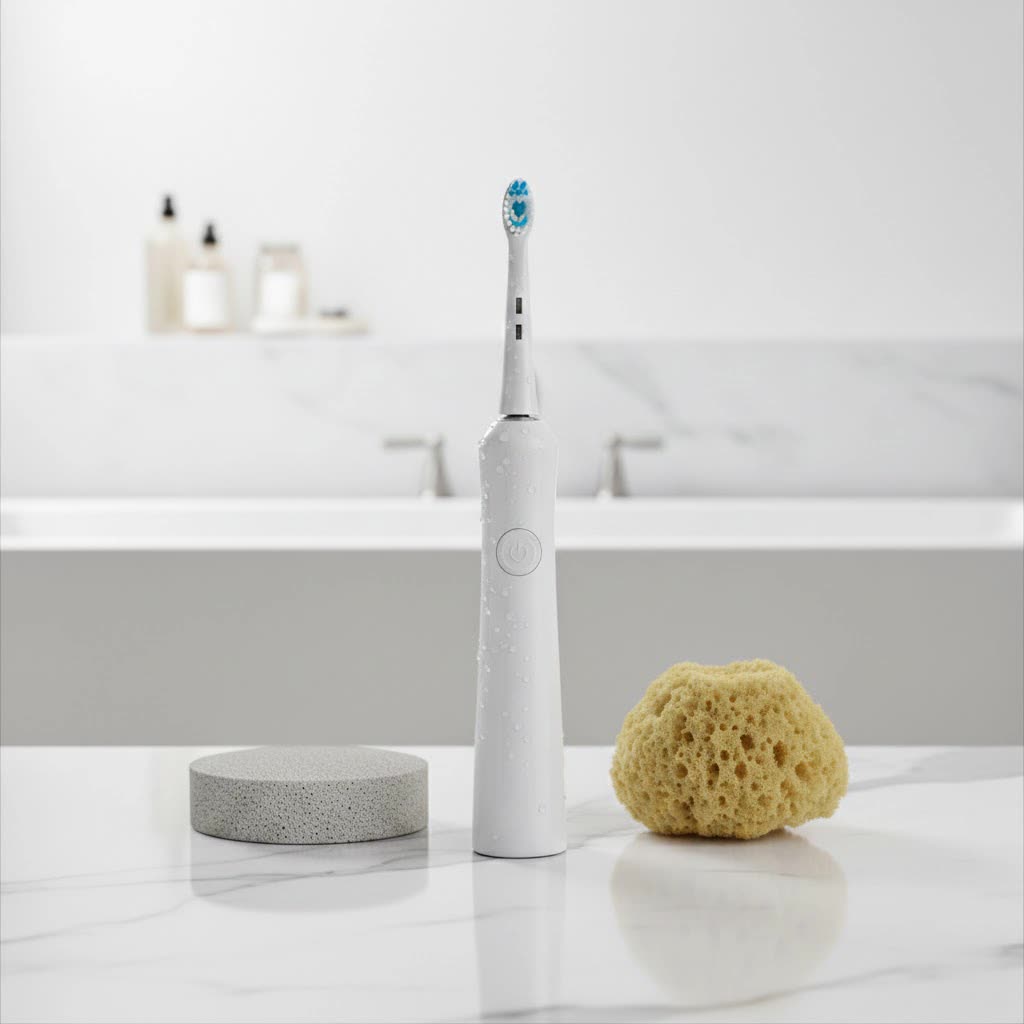
Choosing Your Electric Toothbrush: A Comprehensive A-Z Guide
What is an Electric Toothbrush? Why Should You Use One?
|
Our Picks for the Best Electric Toothbrush in 2026
As an Amazon Associate I earn from qualifying purchases.
|
||
| Num | Product | Action |
|---|---|---|
| 1 | Philips Sonicare 4100 Series Electric Toothbrush - Sonic Toothbrush with Advanced Sonic Technology, Pressure Sensor, Two Intensity Settings, Smartimer & Quadpacer, Black, Model HX3681/24 |

|
| 2 | Philips Sonicare 1100 Series Electric Toothbrush - Sonic Toothbrush with Advanced Sonic Technology, EasyStart, Smartimer & Quadpacer, White, Model HX3641/02 |
|
| 3 | Oral-B Pro 1000 Rechargeable Electric Toothbrush, White |
|
| 4 | Oral-B Pro 1000 Rechargeable Electric Toothbrush, Pink |
|
| 5 | Oral-B iO Deep Clean Rechargeable Electric Toothbrush, Black, iO Series 3 Limited, 2 Brush Heads, Travel Case, Pressure Sensor, 3 Cleaning Settings |
|
| 6 | Philips Sonicare 4100 Series Electric Toothbrush - Sonic Toothbrush with Advanced Sonic Technology, Pressure Sensor, Two Intensity Settings, Smartimer & Quadpacer, White, Model HX3681/23 |
|
| 7 | Ultrasonic Toothbrush for Adults - Automatic Electric Toothbrush with Soft Bristles Waterproof & Washable Rechargeable Portable Design with Wireless Charging 30'' Timer for Travel & Home Use (White) |
|
| 8 | Oral-B Pro 1000 Rechargeable Electric Toothbrush, Black |
|
| 9 | Electric Toothbrush with Water Flosser for Teeth, Sonic Electric Toothbrush and Electric Floss for Adults and Kids, Water Dental Picks, Cleaning and Flossing Dental Care, Waterproof |
|
| 10 | Aquasonic Black Series Ultra Whitening Toothbrush – ADA Accepted Electric Toothbrush- 8 Brush Heads & Travel Case – 40,000 VPM Electric Motor & Wireless Charging - 4 Modes w Smart Timer |
|
An electric toothbrush is a dental hygiene device that uses a motor to move the brush head automatically, typically through oscillating, rotating, or vibrating motions. Unlike a manual brush, which relies entirely on your technique, an electric toothbrush does the majority of the work for you, ensuring consistent and powerful cleaning action.
When comparing an electric toothbrush to a manual one, the advantages quickly become clear. Electric models generally excel in plaque removal, often eliminating significantly more plaque than manual brushes. They offer consistent pressure and motion, reducing the risk of over-brushing or missing spots. While the initial cost is higher and replacement heads add to the ongoing expense, the long-term benefits for oral health, including healthier gums and fewer cavities, often outweigh these considerations. The built-in timers and pressure sensors on many electric brushes also encourage better brushing habits, making them a worthwhile investment for superior dental care.
Popular Types of Electric Toothbrushes
The world of electric toothbrushes primarily features two main technologies, each offering a distinct cleaning experience.
Oscillating-Rotating Electric Toothbrushes
These brushes typically feature a small, round brush head that rapidly oscillates (swings back and forth) and rotates in a circular motion. Many models also incorporate pulsations, meaning the head moves towards and away from the tooth surface to break up plaque more effectively.
- Characteristics: Small, round brush head; combines rotation, oscillation, and often pulsation.
- Pros: Highly effective at breaking up and sweeping away plaque; excellent for reaching individual tooth surfaces; often equipped with robust pressure sensors.
- Cons: Can be louder than sonic brushes; the intense motion might feel more aggressive for some users; larger handle designs.
- Leading Brands: Oral-B is the primary pioneer and market leader in this category.
Sonic Electric Toothbrushes
Sonic toothbrushes, conversely, resemble traditional manual toothbrushes with an elongated, oval-shaped head. They utilize high-frequency vibrations (typically 30,000 to 60,000 brush strokes per minute) to clean teeth. This high-speed vibration creates “fluid dynamics,” agitating fluids in the mouth—such as water, saliva, and toothpaste—to extend the cleaning action beyond the direct contact points of the bristles, reaching deeper into crevices and along the gumline.
- Characteristics: Resembles a manual toothbrush head; high-frequency, side-to-side vibrations.
- Pros: Generally gentler on gums and teeth; quieter operation; effective fluid dynamics for cleaning hard-to-reach areas; often preferred by those transitioning from manual brushes.
- Cons: The initial vibrating sensation can feel ticklish or strange for new users; may require a slightly different technique compared to oscillating brushes.
- Leading Brands: Philips Sonicare, Suri, Quip, Waterpik.
Ultrasonic Electric Toothbrushes
While often grouped with sonic brushes due to the “sound” aspect, true ultrasonic toothbrushes operate at a much higher frequency, typically 2.4 million movements per minute. These ultra-high frequency vibrations are beyond the range of human hearing and aim to disrupt bacterial chains and plaque using sound waves, often with minimal to no physical movement of the bristles.
- Characteristics: Uses high-frequency sound waves; often very gentle, sometimes without visible bristle movement.
- Pros: Exceptionally gentle; can be highly effective at disrupting plaque at a microscopic level without abrasive action.
- Cons: Higher cost; less common in the mainstream consumer market compared to sonic and oscillating-rotating models; requires specific toothpaste designed for ultrasonic frequencies.
Choosing between oscillating-rotating and sonic technology often comes down to personal preference for the brushing sensation and cleaning style. Both are highly effective when used correctly.
Comparison Table of Leading Electric Toothbrush Brands
| Brand | Key Technology | Pros | Cons | Price Range (General) |
|---|---|---|---|---|
| Oral-B | Oscillating-Rotating (3D Clean, iO Magnetic) | Exceptional plaque removal, deep cleaning, advanced smart features (iO series), visual pressure sensors | Can be louder, brush heads typically more expensive, designs may be bulkier | Mid to High |
| Philips Sonicare | Sonic | Gentle yet effective, long battery life, sleek designs, good for gum health, often quieter | Can be pricey for advanced models, less variety in brush head shapes compared to Oral-B | Mid to High |
| Suri | Sonic | Focus on sustainability (recyclable heads), sleek minimalist design, quiet operation, effective cleaning | Newer brand with fewer advanced “smart” features, limited model variety | Mid |
| Quip | Sonic (Hybrid battery-powered) | Affordable, travel-friendly, minimalist design, subscription-based head refills, good entry-level option | Less powerful than premium rechargeable models, fewer advanced features like pressure sensors | Low to Mid |
| Waterpik | Sonic (Often integrated with water flossers) | Excellent cleaning power, some models include water flossing, noticeable clean feeling | Fewer “smart” features on basic models, design might be less sleek than competitors | Mid |
How to Choose the Right Electric Toothbrush for You
Selecting the ideal electric toothbrush involves understanding your specific oral health needs and matching them with the right features.
1. Identify Your Needs:
- Sensitive Teeth or Gums? Look for models with a “sensitive” mode and a pressure sensor to prevent over-brushing. Sonic brushes are often perceived as gentler.
- Aiming for Whitening? Many brushes offer a “whitening” mode or specialized brush heads designed to remove surface stains.
- Specific Oral Health Concerns? If you have braces, gum recession, or crowns, a smaller brush head and soft bristles are usually recommended. A pressure sensor is crucial here.
- Budget Considerations? Decide on a comfortable price point, but remember to factor in the ongoing cost of replacement brush heads.
2. Choose Brush Technology:
- Oscillating-Rotating: If you prefer a powerful, deep scrub that individually cleans each tooth, Oral-B’s oscillating-rotating technology might be for you.
- Sonic: If you desire a gentler, yet effective clean with broad coverage and quieter operation, sonic brushes like Philips Sonicare are an excellent choice.
3. Consider the Brush Head:
- Shape: Oral-B typically uses small, round heads, while sonic brushes have elongated, oval heads. Choose what feels most comfortable and effective for reaching all areas of your mouth.
- Bristle Firmness: Soft bristles are generally recommended by dentists to protect enamel and gums. Medium or firm bristles can be too abrasive.
- Specialized Heads: Some brands offer heads for gum care, whitening, orthodontic cleaning, or tongue cleaning.
4. Evaluate Other Key Features:
- Pressure Sensor: This is a non-negotiable feature for many dental professionals. It alerts you when you’re brushing too hard, preventing damage to gums and enamel.
- Built-in Timer & Quadrant Pacer: Most electric toothbrushes have a 2-minute timer (the dentist-recommended brushing duration) and often a pacer that buzzes every 30 seconds, signaling you to move to a different quadrant of your mouth. This ensures even cleaning.
- Multiple Cleaning Modes: Beyond a standard “daily clean,” many models offer modes like “sensitive,” “gum care,” “whitening,” or “deep clean,” providing versatility for different needs.
- Battery Life & Charging: Look for a brush with a long battery life (2-4 weeks is common for premium models). USB charging can be a convenient feature, especially for travel.
- Bluetooth Connectivity & App: “Smart” toothbrushes connect to an app on your smartphone, offering real-time feedback, tracking your brushing habits, and providing personalized coaching to improve your technique. This is particularly useful for those looking to optimize their oral care routine.
- Travel Case: Essential for protecting your brush and keeping it hygienic when you’re on the go.
5. Budget: While it’s tempting to opt for the cheapest option, remember that price often reflects durability, longevity, and the inclusion of advanced features. Consider the total cost of ownership, including replacement brush heads, which can add up over time.
Top Recommended Electric Toothbrushes
Based on expert reviews and user satisfaction, here are some of the most highly Recommended Electric Toothbrushes on the market:
-
Oral-B iO Series X (e.g., iO8/iO10): Often hailed as a top performer, the Oral-B iO series leverages revolutionary magnetic iO technology for a remarkably smooth and effective clean. It boasts an interactive display, AI-powered tracking for optimal coverage, and a smart pressure sensor. Pros: Exceptionally thorough cleaning, quiet operation for an oscillating brush, highly advanced smart features. Cons: Premium price point, replacement brush heads are expensive.
-
Philips Sonicare 4100/ProtectiveClean: A fantastic “value for money” sonic option, the Sonicare 4100 (or the ProtectiveClean series) offers core sonic cleaning effectiveness without breaking the bank. It provides a gentler clean, a pressure sensor, and a quadpacer. Pros: Effective sonic cleaning, long battery life (up to two weeks), ergonomic handle, great value. Cons: Fewer advanced modes and smart features compared to premium models.
-
Oral-B Pro 1000/3: For those seeking a powerful oscillating-rotating clean on a budget, the Oral-B Pro 1000 or Pro 3 is an excellent choice. It’s ADA-accepted and offers essential features like a 2-minute timer and a pressure sensor. Pros: Strong cleaning power, very affordable, widely available brush heads. Cons: Basic features, can be louder than sonic options.
-
Suri 2.0 Electric Toothbrush: The Suri toothbrush stands out for its commitment to sustainability, offering plant-based brush heads that can be sent back for recycling. It’s a sonic brush known for its sleek design and quiet operation. Pros: Eco-friendly design, good cleaning performance, compact and stylish. Cons: A newer brand, less extensive feature set than some established players.
-
Philips Sonicare 9900 Prestige: This is Philips Sonicare’s flagship model, embodying luxury and advanced technology. It features SenseIQ technology that adapts to your brushing style, a sleek design, and comprehensive app integration. Pros: Highly personalized brushing experience, elegant design, exceptionally gentle and effective. Cons: One of the most expensive electric toothbrushes available.
How to Use Your Electric Toothbrush Correctly
To maximize the benefits of your electric toothbrush, proper technique is essential.
- Attach the Brush Head: Ensure your chosen brush head is securely attached to the handle.
- Apply Toothpaste: Apply a pea-sized amount of fluoride toothpaste to the brush head. Avoid excessive toothpaste, as the electric action can make it foam quickly.
- Place in Mouth Before Turning On: Always place the brush head in your mouth before turning it on to prevent splashing.
- Guide, Don’t Scrub: Unlike a manual brush, you don’t need to scrub. Simply guide the brush head slowly from tooth to tooth, allowing the bristles to do the work. Hold it at a slight angle towards your gumline.
- Follow the Quadrant Timer: Most electric toothbrushes have a 2-minute timer with a 30-second interval pacer. Divide your mouth into four quadrants (upper right, upper left, lower right, lower left) and spend 30 seconds on each before moving on when the brush signals.
- Brush All Surfaces: Ensure you cover all surfaces of each tooth – outer, inner, and chewing surfaces.
- Clean Your Tongue: Gently brush your tongue to remove bacteria and freshen breath.
- Rinse: After brushing, rinse your mouth with water or mouthwash.
- Clean and Store: Remove the brush head and rinse both the head and handle under running water to remove any toothpaste residue. Store your brush upright in a dry place to allow it to air dry.
Common Electric Toothbrush Mistakes and How to Fix Them
Even with an advanced tool, improper habits can diminish its effectiveness.
- Brushing Too Hard: This is one of the most common mistakes. Excessive pressure can damage gums and wear down enamel. Fix: Utilize a pressure sensor if your brush has one; if not, consciously lighten your grip and let the brush’s motor do the work.
- Not Brushing Long Enough: Many people underestimate the time needed for a thorough clean. Fix: Always use the built-in 2-minute timer and quadrant pacer. If your brush lacks these, use a separate timer.
- Not Changing Brush Heads Regularly: Worn bristles are less effective at cleaning and can harbor bacteria. Fix: Replace your brush head every three months, or sooner if the bristles appear frayed or faded (some brush heads have indicator bristles).
- Scrubbing Instead of Guiding: An electric toothbrush is designed to clean with minimal effort from you. Scrubbing defeats its purpose and can be abrasive. Fix: Gently guide the brush head along each tooth surface, allowing the bristles to work their magic.
- Ignoring Battery Life: Letting your brush fully die before recharging can sometimes impact battery longevity. Fix: Charge your toothbrush regularly, especially before travel. Most modern lithium-ion batteries perform best when not completely drained.
- Not Cleaning the Brush Head/Handle: Residue and moisture can lead to bacterial growth. Fix: Rinse your brush head and handle after every use, and store it in an upright position to air dry.
Conclusion
Embracing an electric toothbrush can be a transformative step for your oral health, offering superior plaque removal, enhanced gum protection, and a consistency that manual brushing struggles to achieve. By understanding the different technologies, essential features like pressure sensors and timers, and how to choose a model that aligns with your personal needs and budget, you can make an informed decision. Remember that investing in a quality electric toothbrush and using it correctly is an investment in your long-term dental well-being. Don’t hesitate to consult your dentist for personalized recommendations to find your perfect match.
Which electric toothbrush will you choose to transform your oral care routine?
Frequently Asked Questions
Are electric toothbrushes really better than manual ones?
Yes, numerous studies have shown that electric toothbrushes are generally more effective at removing plaque and reducing gingivitis than manual toothbrushes. Their consistent power, integrated timers, and specialized cleaning actions lead to a more thorough and consistent clean, often improving overall gum health.
How often should I replace my electric toothbrush head?
Dental professionals recommend replacing your electric toothbrush head approximately every three months, or sooner if the bristles become frayed or worn. Over time, bristles lose their effectiveness and can harbor bacteria, so regular replacement is crucial for optimal hygiene and cleaning performance.
Can children use electric toothbrushes?
Absolutely! Many brands offer electric toothbrushes specifically designed for children, featuring smaller brush heads, softer bristles, and often fun designs or interactive apps to encourage proper brushing habits. Adult supervision is usually recommended, especially for younger children, to ensure correct usage.
What’s the difference between sonic and oscillating electric toothbrushes?
Sonic toothbrushes use high-speed vibrations (sweeping motions) to clean teeth, often creating fluid dynamics for broader coverage. Oscillating-rotating toothbrushes, primarily from Oral-B, feature a small, round head that rotates, oscillates, and often pulsates to scrub individual tooth surfaces. Both are highly effective, but offer different sensations.
Do I still need to floss if I use an electric toothbrush?
Yes, flossing remains an essential part of a complete oral hygiene routine, even when using an electric toothbrush. While electric toothbrushes are excellent at cleaning tooth surfaces, they cannot fully reach between teeth and below the gumline where plaque and food particles accumulate. Flossing helps clean these inaccessible areas, preventing cavities and gum disease.
