Are you ready to transform your daily brushing routine and achieve a visibly healthier, brighter smile? The world of electric toothbrushes can feel overwhelming, but Philips Sonicare stands out as a leader, offering a range of innovative devices designed to elevate your oral hygiene. If you’ve ever wondered how these high-tech brushes deliver a “dentist-level clean” or which Sonicare model is right for you, you’ve come to the perfect place. This comprehensive guide will navigate you through everything you need to know about Philips Sonicare Electric Toothbrushes, from their groundbreaking technology to choosing the ideal model for your unique needs and budget. Get ready to discover the solution for optimal oral health.
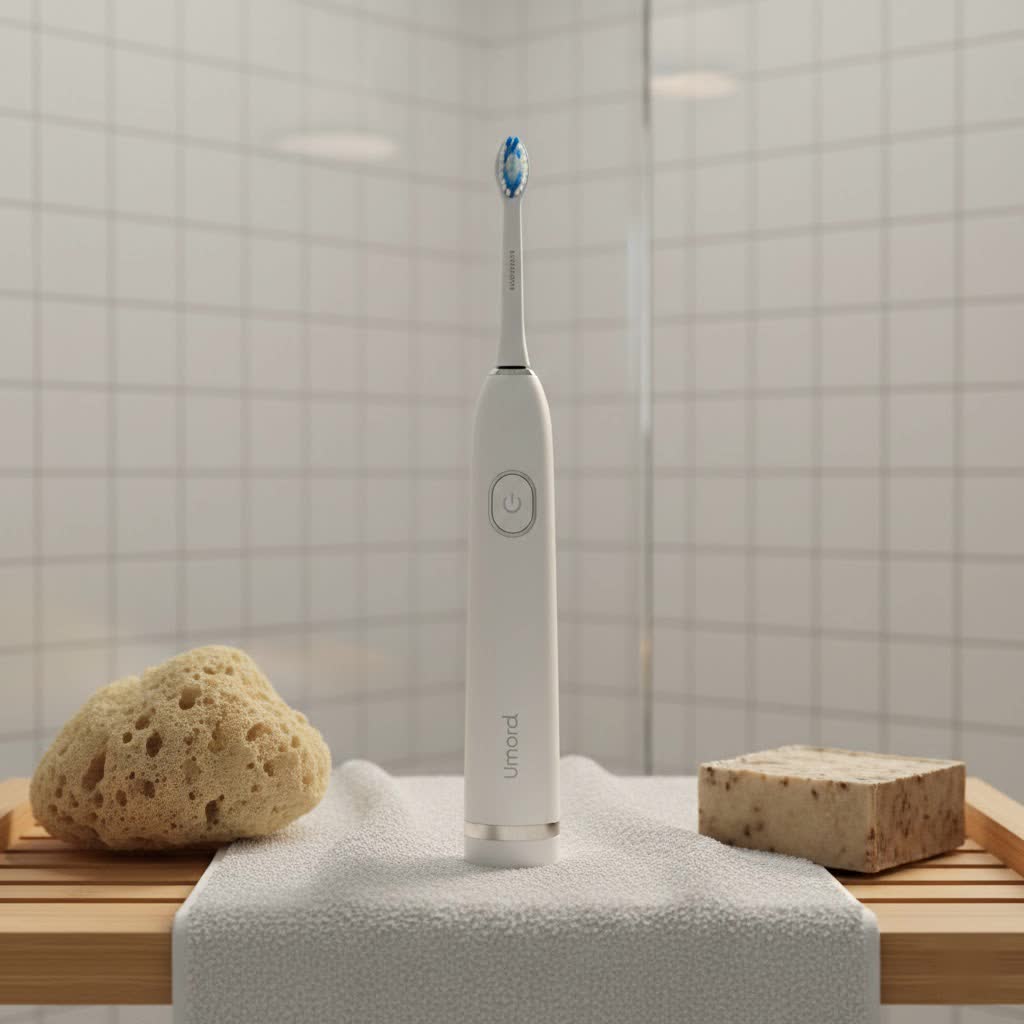
What is an Electric Toothbrush? Why Should You Use One?
An electric toothbrush is a device that automates the brushing motion, significantly improving plaque removal and gum health compared to manual brushing. Philips Sonicare models specifically utilize advanced sonic technology. This means their brush heads vibrate at incredibly high speeds, producing up to 62,000 brush movements per minute. These rapid vibrations create dynamic fluid action, driving toothpaste and water between teeth and along the gumline, effectively dislodging plaque even in areas the bristles might not directly reach.
Why make the switch? Electric toothbrushes, particularly those with sonic technology, offer superior benefits. They are clinically proven to remove up to seven times more plaque than a manual toothbrush, contributing to healthier gums and a reduction in bleeding and gingivitis. Beyond effectiveness, they introduce features like built-in timers and pressure sensors that guide you to brush correctly, preventing common mistakes like over-brushing that can lead to gum recession or enamel damage. This gentle yet thorough cleaning makes them ideal for various users, including those with sensitive teeth or orthodontic appliances.
Popular Types of Electric Toothbrushes
While the market offers several types of electric toothbrushes, Philips Sonicare exclusively focuses on sonic technology. Understanding the core types can help appreciate Sonicare’s approach:
- Sonic Electric Toothbrushes: These, like Philips Sonicare, feature bristles that vibrate at high frequencies (sonic speeds). They create a sweeping motion that dislodges plaque and generates a “dynamic fluid action” that cleans beyond the physical reach of the bristles. Sonic brushes are known for being gentle on gums and highly effective at plaque removal.
- Rotary Electric Toothbrushes: Typically characterized by small, round brush heads that oscillate (turn back and forth) and pulsate. These brushes aim to cup each tooth for a deep clean. Brands like Oral-B predominantly use this technology.
- Ultrasonic Electric Toothbrushes: These operate at even higher frequencies than sonic brushes, using ultrasonic waves to disrupt plaque bacteria. While some sonic brushes may incorporate ultrasonic elements, dedicated ultrasonic toothbrushes typically operate above the human hearing range.
For most individuals, a high-quality sonic electric toothbrush like those from Philips Sonicare offers a perfect balance of power, gentleness, and advanced features for comprehensive oral care.
Comparison Table: Leading Sonicare Electric Toothbrush Models
Choosing from the extensive Philips Sonicare lineup can be challenging. Here’s a comparison of some top models, highlighting their core features, benefits, and typical price points:
| Model | Key Technology/Features | Pros | Cons | Estimated Price |
|---|---|---|---|---|
| 1100 Series | Sonic technology, 1 mode, 2-min timer/QuadPacer | Highly affordable, simple to use, slim design | Lacks pressure sensor, no BrushSync, fewer features | $20 – $30 |
| 4100 Series | Sonic technology, 1 mode, 2 intensities, pressure sensor, 2-min timer/QuadPacer, BrushSync reminder | Excellent value, effective clean, essential features, good for sensitive teeth | Pressure sensor is not visible (vibrates handle), no app connectivity | $40 – $50 |
| ProtectiveClean 6100 | Sonic technology, 3 modes (Clean, White, Gum Care), 3 intensities, pressure sensor, BrushSync reminder & mode pairing | Great for gum health & whitening, includes travel case | No app connectivity | $110 – $130 |
| ExpertClean 7500 | Sonic technology, 4 modes (Clean, White+, Gum Health, DeepClean+), 3 intensities, pressure sensor, BrushSync, Bluetooth app | App-guided brushing, tracks progress, suitable for deep cleaning | Higher price point, app may be more tech-focused than some prefer | $170 – $200 |
| DiamondClean 9000 | Sonic technology, 4 modes, 3 intensities, pressure sensor, BrushSync, Bluetooth app | Premium design, effective cleaning, elegant charging glass | App functionality less advanced than Prestige | $180 – $250 |
| 9900 Prestige | SenseIQ adaptive technology, visible pressure sensor, scrubbing sensor, AI-powered app, 5 modes, 3 adaptive intensities, premium travel case with USB-C charging | Most advanced, real-time adaptive brushing, superior cleaning & guidance | Very expensive, app may be overly complex for basic users | $300 – $400 |
How to Choose the Right Sonicare Electric Toothbrush
Selecting the perfect Philips Sonicare electric toothbrush involves considering your specific oral health needs, desired features, and budget.
-
Identify Your Needs:
- Sensitive Teeth or Gums? Look for models with a “Sensitive” or “Gum Care” mode and a pressure sensor, like the ProtectiveClean series or even the gentle settings on the 4100.
- Stains or Whitening Desires? Models with “White” or “White+” modes and compatible whitening brush heads can help, such as the ProtectiveClean 6100 or DiamondClean series.
- Gum Issues? Gum Care modes and pressure sensors are crucial. The ProtectiveClean 6100 is often recommended for improving gum health.
- Orthodontics (Braces, Retainers)? The high-frequency vibrations of sonic brushes are generally effective, and premium models like the Prestige 9900 offer precision for complex dental needs.
- Deep Cleaning? Models with “Deep Clean+” modes or higher intensity settings provide extra power, like the ExpertClean or DiamondClean series.
-
Choose by Features:
- Pressure Sensor: A must-have for preventing over-brushing. Basic models might have an internal sensor that vibrates the handle, while premium models feature a visible light ring.
- Timer and Pacer: All Sonicare brushes include a 2-minute timer and 30-second QuadPacer (or KidPacer for children’s models) to ensure you brush for the dentist-recommended duration in all areas of your mouth.
- Cleaning Modes and Intensities: More modes (e.g., Clean, Gum Care, White) and intensity levels (low, medium, high) offer greater customization for different oral care goals.
- BrushSync Technology: This feature reminds you when to replace your brush head, ensuring optimal cleaning performance. Some advanced models also automatically pair the brush head with the ideal cleaning mode.
- Bluetooth Connectivity and App Guidance: For the tech-savvy, models like the ExpertClean, DiamondClean, or Prestige offer real-time feedback, personalized coaching, and progress tracking via a smartphone app. The Prestige 9900 even features SenseIQ, which adapts brushing intensity to your technique.
-
Consider Brush Head Types: Philips Sonicare offers various brush heads designed for specific purposes, such as plaque control, gum care, whitening, and tongue cleaning. Ensure the model you choose is compatible with the brush heads that meet your needs.
- Optimal Plaque Control (C2): For daily plaque removal.
- Optimal Gum Care (G2) or Premium Gum Care (G3): Softer bristles for gentle gumline cleaning.
- DiamondClean (W) or Premium White (W3): Designed to remove surface stains.
- All-in-One (A3): Combines multiple benefits.
-
Budget: Philips Sonicare offers a spectrum of prices. Entry-level models like the 1100 or 4100 provide excellent foundational cleaning without breaking the bank. Mid-range options like the ProtectiveClean series add valuable modes and features, while high-end DiamondClean and Prestige models offer the most advanced technology and luxurious experiences. Consider replacement brush head costs as part of your long-term budget.
Ultimately, the “best” Sonicare toothbrush is the one that aligns with your personal oral health objectives and encourages consistent, effective brushing.
Top Sonicare Electric Toothbrushes: Detailed Reviews
Based on widespread recommendations from dental professionals and user satisfaction, here are some highly-regarded Philips Sonicare electric toothbrushes:
-
Philips Sonicare 4100 Series (Best Overall/Affordable)
The Sonicare 4100 is consistently praised for being a simple, effective, and affordable entry into the electric toothbrush world. It delivers core Sonicare cleaning with its high-speed vibrations. Key features include a 2-minute SmarTimer and a QuadPacer to ensure even brushing, along with an invisible pressure sensor that alerts you via handle vibration if you brush too hard. With two intensity settings, it’s gentle enough for sensitive teeth while still providing a thorough clean. It’s an ideal choice for those transitioning from a manual toothbrush or seeking reliable performance without unnecessary extras. -
Philips Sonicare ProtectiveClean 6100 (Best for Gum Health/Sensitive Teeth)
For individuals prioritizing gum health and gentleness, the ProtectiveClean 6100 is an outstanding option. It balances powerful cleaning with protective features, offering three brushing modes (Clean, White, Gum Care) and three intensity levels. Its pressure sensor gently pulses to warn against excessive force, a feature highly recommended by dentists for preventing gum irritation. Users often report reduced gum bleeding and a refreshing clean without aggressive scrubbing. It strikes a smart balance between advanced functionality and ease of use, often including a travel case for convenience. -
Philips Sonicare 9900 Prestige (Premium/Smart Features)
At the pinnacle of Sonicare’s offerings, the Prestige 9900 combines cutting-edge sonic cleaning with sophisticated smart technology. Its standout feature is SenseIQ, which learns and adapts to your brushing style, adjusting intensity in real time based on pressure and motion. It provides real-time coaching, progress tracking, and even highlights missed spots via a smartphone app. With a visible pressure sensor, an optional scrubbing sensor, five cleaning modes, and adaptive intensities, this top-tier model offers unparalleled precision and personalized guidance. It’s particularly effective for users with complex dental needs, such as braces or crowded teeth, who benefit from detailed feedback to optimize their technique.
How to Use Your Sonicare Electric Toothbrush Correctly
Maximizing the benefits of your Philips Sonicare electric toothbrush is all about proper technique and consistent care.
- Attach the Brush Head: Firmly push the brush head onto the handle. Ensure it clicks into place.
- Apply Toothpaste: Apply a pea-sized amount of toothpaste to the brush head.
- Position the Brush: Place the bristles against your teeth at a slight angle towards the gumline. Do not scrub as you would with a manual brush; let the sonic vibrations do the work.
- Gentle Gliding Motion: Turn on the toothbrush. Guide the brush head slowly from tooth to tooth, allowing it to rest on each tooth for a few seconds. Ensure the bristles cover the tooth surface and gently reach the gumline.
- Quadrant Brushing: The built-in timer and QuadPacer will divide your mouth into four sections, signaling when to move to the next quadrant (typically every 30 seconds). Brush all four quadrants for the recommended 2 minutes.
- Don’t Press Too Hard: If your brush has a pressure sensor, it will alert you if you’re applying too much force. Ease up to protect your gums and enamel.
- Rinse and Clean: After brushing, rinse your mouth. Remove the brush head and rinse both the brush head and handle under running water. Wipe the handle dry. Store the brush head upright to air dry.
- Replace Brush Heads: For optimal hygiene and effectiveness, replace your Philips Sonicare brush head every three months, or sooner if the bristles appear frayed or worn. Many models include a BrushSync reminder for convenience.
Common Issues When Using an Electric Toothbrush and How to Fix Them
Even with advanced technology, you might encounter minor issues with your electric toothbrush. Here’s how to troubleshoot some common problems:
-
Toothbrush Not Vibrating/Turning On:
- Check Battery: Ensure the toothbrush is fully charged. Most Sonicare brushes have a battery indicator light.
- Proper Head Attachment: Make sure the brush head is securely attached to the handle. A loose head can prevent proper vibration.
- Reset: Sometimes simply turning it off and on again, or letting the battery completely drain and then fully recharging, can resolve minor electronic glitches.
-
Battery Drains Quickly:
- Charging Habits: Ensure you are charging for the recommended duration (usually 24 hours for a full initial charge).
- Battery Age: Rechargeable batteries degrade over time. If your brush is several years old, the battery may be reaching the end of its lifespan.
- Water Damage: Ensure the charging port and handle seals are clean and intact to prevent water from entering, which can damage the battery.
-
Brush Head Wears Out Too Quickly:
- Brushing Pressure: Applying too much pressure, even with a pressure sensor, can cause bristles to splay prematurely. Focus on a gentle glide.
- Brush Head Quality: Ensure you are using genuine Philips Sonicare replacement heads, as off-brand alternatives may not be as durable.
- Storage: Store your brush heads so they can air dry completely, preventing moisture buildup that can affect bristles.
-
Gums Bleeding or Sensitivity:
- Brushing Technique: If new to electric toothbrushes, you might be scrubbing too hard. Let the brush do the work with a light touch.
- Pressure Sensor: Utilize the pressure sensor as intended. If your brush doesn’t have one, be extra mindful of applying minimal pressure.
- Mode/Intensity: Use the “Sensitive” or “Gum Care” mode and a lower intensity setting if you experience discomfort.
- Brush Head: Ensure you are using a soft-bristled brush head.
- Underlying Issues: If bleeding persists, consult your dentist, as it could indicate gum disease or other oral health problems.
Conclusion
Choosing a Philips Sonicare electric toothbrush is an investment in your oral health, offering unparalleled cleaning power, advanced features, and user-friendly design. From the essential plaque removal of entry-level models to the sophisticated, adaptive technology of the Prestige 9900, there’s a Sonicare brush engineered to meet every individual need. By understanding the technology, evaluating features like pressure sensors and cleaning modes, and adopting proper brushing techniques, you can unlock a healthier, brighter smile. Your journey to optimal oral hygiene starts with making an informed choice. Which Philips Sonicare electric toothbrush will you choose to elevate your dental care?
Frequently Asked Questions
How often should I replace my Sonicare brush head?
|
Our Picks for the Best Electric Toothbrush in 2026
As an Amazon Associate I earn from qualifying purchases.
|
||
| Num | Product | Action |
|---|---|---|
| 1 | Philips Sonicare 4100 Series Electric Toothbrush - Sonic Toothbrush with Advanced Sonic Technology, Pressure Sensor, Two Intensity Settings, Smartimer & Quadpacer, White, Model HX3681/23 |

|
| 2 | Oral-B Pro 1000 Rechargeable Electric Toothbrush, Pink |
|
| 3 | Oral-B iO Deep Clean Rechargeable Electric Toothbrush, Black, iO Series 3 Limited, 2 Brush Heads, Travel Case, Pressure Sensor, 3 Cleaning Settings |
|
| 4 | Electric Toothbrush with Water Flosser for Teeth, Sonic Electric Toothbrush and Electric Floss for Adults and Kids, Water Dental Picks, Cleaning and Flossing Dental Care, Waterproof |
|
| 5 | Ultrasonic Toothbrush for Adults - Automatic Electric Toothbrush with Soft Bristles Waterproof & Washable Rechargeable Portable Design with Wireless Charging 30'' Timer for Travel & Home Use (White) |
|
| 6 | Aquasonic Black Series Ultra Whitening Toothbrush – ADA Accepted Electric Toothbrush- 8 Brush Heads & Travel Case – 40,000 VPM Electric Motor & Wireless Charging - 4 Modes w Smart Timer |
|
| 7 | Oral-B Pro 1000 Rechargeable Electric Toothbrush, Black |
|
| 8 | Philips Sonicare 4100 Series Electric Toothbrush - Sonic Toothbrush with Advanced Sonic Technology, Pressure Sensor, Two Intensity Settings, Smartimer & Quadpacer, Black, Model HX3681/24 |
|
| 9 | Philips Sonicare 1100 Series Electric Toothbrush - Sonic Toothbrush with Advanced Sonic Technology, EasyStart, Smartimer & Quadpacer, White, Model HX3641/02 |
|
| 10 | Oral-B Pro 1000 Rechargeable Electric Toothbrush, White |
|
You should replace your Philips Sonicare brush head every three months, or sooner if the bristles appear splayed or worn. This ensures optimal plaque removal and effective cleaning, as worn bristles can be less effective and potentially abrasive. Many Sonicare models include a BrushSync reminder system to help you track this.
Can I use a Sonicare electric toothbrush if I have sensitive teeth or gums?
Absolutely. Philips Sonicare toothbrushes are designed to be gentle while still providing an effective clean. Look for models with a “Sensitive” or “Gum Care” mode and a built-in pressure sensor, which helps prevent you from brushing too hard. Using a soft-bristled brush head is also recommended for sensitive areas.
What is the difference between sonic and rotary electric toothbrushes?
Sonic toothbrushes, like Sonicare, use high-frequency vibrations to create sweeping motions and dynamic fluid action, cleaning even beyond the bristle tips. Rotary brushes, often with small, round heads, use oscillating and pulsating movements to physically scrub each tooth. Both are effective, but sonic is often perceived as gentler.
Is the Sonicare app necessary for effective cleaning?
While the Sonicare app provides valuable real-time feedback, personalized coaching, and progress tracking, it is not strictly necessary for effective cleaning. Even budget-friendly Sonicare models without app connectivity still offer superior plaque removal compared to manual brushing, thanks to their core sonic technology, timers, and pressure sensors.
How long does a Philips Sonicare battery typically last on a single charge?
Most Philips Sonicare electric toothbrushes offer an impressive battery life, typically lasting around two weeks on a single charge when used twice a day for two minutes each session. Higher-end models, such as the Prestige 9900, can sometimes offer even longer durations, up to four weeks.
