Are you tired of feeling like your manual toothbrush isn’t quite cutting it? Many people struggle to achieve that “dentist-clean” feeling with traditional brushing, leading to concerns about plaque buildup, gum health, and overall oral hygiene. The good news is that advancements in dental technology offer a powerful solution: the electric toothbrush. This comprehensive guide will navigate the world of electric toothbrushes, drawing on extensive expert testing and consumer reports to help you discover the perfect model for your unique needs and budget.
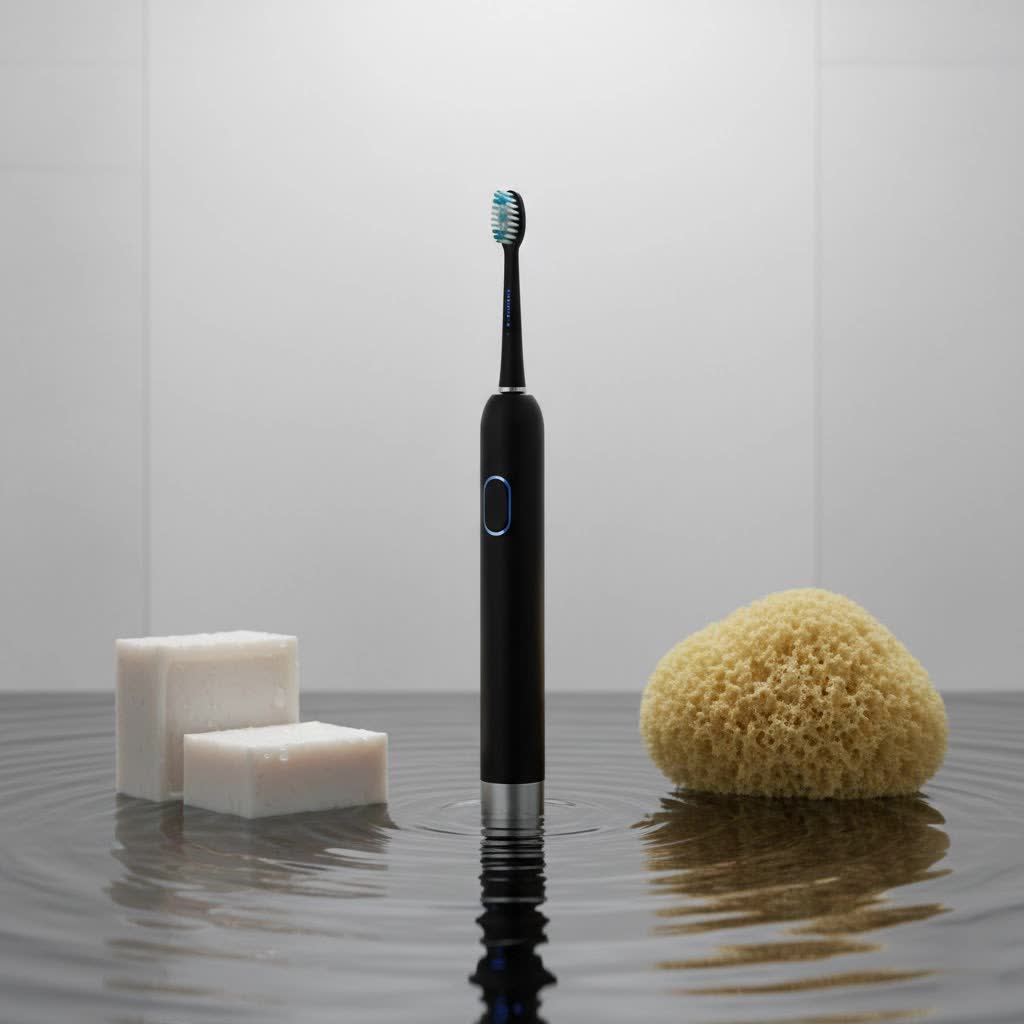
What is an Electric Toothbrush? Why Use One?
An electric toothbrush is a powered device designed to clean teeth and gums more effectively than a manual brush, utilizing rapid bristle movements – either oscillating, rotating, or vibrating – to dislodge plaque and food particles. While a manual toothbrush can be effective if used perfectly, electric models offer consistency and often superior cleaning.
Compared to manual toothbrushes, electric versions typically boast several advantages. They can remove more plaque, contribute to healthier gums, and reduce tooth decay over time. Many come equipped with features like built-in timers, pressure sensors, and multiple brushing modes that guide you to brush correctly and gently, protecting your enamel and gums from damage. The convenience of these features makes achieving optimal oral hygiene easier for users of all ages and abilities.
Popular Types of Electric Toothbrushes
Electric toothbrushes generally fall into three main categories based on their cleaning technology:
- Rotary (Oscillating-Rotating) Electric Toothbrushes: These brushes feature small, round heads that oscillate (move back and forth) and often pulsate to break up and sweep away plaque. Oral-B is a prominent brand utilizing this technology.
- Pros: Known for deep cleaning, effectively reaching individual tooth surfaces. Often have smaller brush heads for better access to tight spots.
- Cons: Can sometimes feel more aggressive than sonic brushes.
- Sonic Electric Toothbrushes: These brushes use high-frequency vibrations, moving bristles at speeds significantly faster than a manual brush. The vibrations create dynamic fluid action, driving toothpaste and water between teeth and along the gumline. Philips Sonicare is a leading brand in this category.
- Pros: Gentle on gums and teeth, effectively cleaning without excessive scrubbing. Often cover a larger surface area with oblong brush heads.
- Cons: May feel less direct in cleaning individual teeth compared to rotary brushes.
- Ultrasonic Electric Toothbrushes: These brushes vibrate at an even higher frequency than sonic brushes, using ultrasonic waves that can disrupt bacterial chains beyond where the bristles physically touch.
- Pros: Can reach deep into periodontal pockets, offering a very thorough clean. Extremely gentle due to minimal physical force required.
- Cons: Typically the most expensive option and less commonly found.
Choosing the right type depends on your personal preference and dental needs. If you prioritize deep cleaning and individual tooth coverage, a rotary brush might be ideal. If you have sensitive gums or prefer a gentler, broader cleaning action, a sonic brush could be a better fit.
Comparison Table of Top Electric Toothbrush Brands
| Brand | Notable Technology | Advantages | Disadvantages | Price Range (Approx.) |
|---|---|---|---|---|
| Oral-B | Oscillating-rotating (3D) | Exceptional plaque removal, various brush heads, smart features with app feedback, ADA accepted | Can be noisy, brush heads more expensive, higher-end models are pricey | $40 – $400 |
| Philips Sonicare | Sonic Vibrations | Gentle yet powerful cleaning, good for sensitive gums, long battery life, sleek design | Higher initial cost, fewer smart modes on basic models, replacement heads can be costly | $30 – $300 |
| Xiaomi | Sonic Vibrations | Very affordable, minimalist design, good value for basic sonic cleaning | Fewer advanced features, not as widely recognized for dental health standards | $20 – $50 |
| Suri | Sonic Vibrations | Sustainable design, recyclable heads, long battery life, quiet operation | Higher price point for a less feature-rich brush, limited app connectivity | $100 – $150 |
| Quip | Sonic Vibrations (Battery-powered) | Simple, sleek, compact, good for travel, subscription model for brush heads | Less powerful motor, typically lacks advanced features like pressure sensors, not always ADA accepted | $25 – $120 |
How to Choose the Right Electric Toothbrush
Selecting an electric toothbrush can feel overwhelming with so many options available. By considering a few key factors, you can narrow down your choices and find a brush that perfectly aligns with your oral care goals and lifestyle. Think about what truly matters for your daily routine.
Determine Your Needs
Start by evaluating your specific oral health concerns:
- Sensitive teeth or gums? Look for brushes with “sensitive” modes, soft bristles, or a sonic cleaning action which tends to be gentler. Pressure sensors are also crucial to prevent over-brushing.
- Issues with plaque buildup or staining? Rotary-oscillating brushes are often praised for their aggressive plaque removal, while whitening modes on sonic brushes can help with surface stains.
- Gum problems (gingivitis)? Gentle yet effective cleaning is key. Sonic toothbrushes with specific gum care modes can be beneficial, coupled with a pressure sensor.
- Want whiter teeth? Many brushes offer “whitening” modes, which typically operate at higher speeds or with specific bristle patterns to polish away surface stains.
|
Our Picks for the Best Electric Toothbrush in 2026
As an Amazon Associate I earn from qualifying purchases.
|
||
| Num | Product | Action |
|---|---|---|
| 1 | Oral-B Pro 1000 Rechargeable Electric Toothbrush, White |

|
| 2 | Philips Sonicare 4100 Series Electric Toothbrush - Sonic Toothbrush with Advanced Sonic Technology, Pressure Sensor, Two Intensity Settings, Smartimer & Quadpacer, White, Model HX3681/23 |
|
| 3 | Oral-B Pro 1000 Rechargeable Electric Toothbrush, Black |
|
| 4 | Aquasonic Black Series Ultra Whitening Toothbrush – ADA Accepted Electric Toothbrush- 8 Brush Heads & Travel Case – 40,000 VPM Electric Motor & Wireless Charging - 4 Modes w Smart Timer |
|
| 5 | Oral-B Pro 1000 Rechargeable Electric Toothbrush, Pink |
|
| 6 | Electric Toothbrush with Water Flosser for Teeth, Sonic Electric Toothbrush and Electric Floss for Adults and Kids, Water Dental Picks, Cleaning and Flossing Dental Care, Waterproof |
|
| 7 | Ultrasonic Toothbrush for Adults - Automatic Electric Toothbrush with Soft Bristles Waterproof & Washable Rechargeable Portable Design with Wireless Charging 30'' Timer for Travel & Home Use (White) |
|
| 8 | Philips Sonicare 4100 Series Electric Toothbrush - Sonic Toothbrush with Advanced Sonic Technology, Pressure Sensor, Two Intensity Settings, Smartimer & Quadpacer, Black, Model HX3681/24 |
|
| 9 | Philips Sonicare 1100 Series Electric Toothbrush - Sonic Toothbrush with Advanced Sonic Technology, EasyStart, Smartimer & Quadpacer, White, Model HX3641/02 |
|
| 10 | Oral-B iO Deep Clean Rechargeable Electric Toothbrush, Black, iO Series 3 Limited, 2 Brush Heads, Travel Case, Pressure Sensor, 3 Cleaning Settings |
|
Choose Your Brush Type and Technology
As discussed, different technologies offer distinct brushing experiences:
- Rotary (Oscillating-Rotating): Excellent for thorough, tooth-by-tooth cleaning, especially for those who need significant plaque removal.
- Sonic: Ideal for a gentler, broader clean, often preferred by individuals with sensitive gums or those transitioning from a manual brush.
- Ultrasonic: Best for the most advanced, deepest clean, though these are typically premium and less common.
- Speed/Vibrations: Higher vibrations generally mean more effective cleaning, but ensure there are adjustable intensity levels to suit your comfort.
- Cleaning Modes: Common modes include Daily Clean, Sensitive, Whitening, Gum Care, and Deep Clean. More modes offer versatility, allowing you to tailor your brushing experience.
Select the Right Brush Head
The brush head is where the cleaning action happens, so its design matters:
- Round vs. Oval: Rotary brushes typically use small, round heads to cup and clean each tooth. Sonic brushes often have more oval-shaped heads, similar to manual brushes, covering more surface area at once.
- Bristle Firmness: Always opt for soft bristles to protect enamel and gums. Medium or hard bristles can be abrasive and cause damage.
- Specialized Heads: Some brands offer heads for specific purposes like tongue cleaning, braces, or extra gum care. Consider if these are features you would utilize.
Consider Other Important Features
Modern electric toothbrushes come with a host of smart features that can enhance your brushing experience:
- Pressure Sensor: A critical feature! It alerts you (via light, sound, or vibration) when you’re brushing too hard, preventing damage to your gums and enamel.
- Built-in Timer: Most electric toothbrushes include a 2-minute timer, often with 30-second quadrant timers, to ensure you brush for the dentist-recommended duration.
- Bluetooth Connectivity & Apps: High-end models connect to smartphone apps that provide real-time feedback on brushing technique, coverage, and pressure. They can also track your brushing habits over time.
- Battery Life: Rechargeable batteries are standard. Look for models with at least 2-3 weeks of battery life on a single charge, especially if you travel frequently.
- Travel Case: A protective travel case is a convenient accessory for maintaining hygiene and portability.
- Replacement Indicators: Some brushes or brush heads have bristles that fade color to remind you when it’s time for a replacement (usually every three months).
Budget Considerations
Electric toothbrushes range widely in price, from budget-friendly options around $20-50 to high-end smart brushes costing $300-$400.
- Entry-level brushes offer basic electric cleaning with a timer and perhaps a pressure sensor.
- Mid-range brushes add more modes, better battery life, and sometimes basic smart features.
- Premium brushes come with advanced AI tracking, interactive displays, multiple modes, sophisticated pressure sensors, and luxurious designs.
Remember to also factor in the cost of replacement brush heads, which typically need to be changed every three months. This ongoing cost can add up.
Top Electric Toothbrushes Reviewed
Based on comprehensive consumer reports and expert testing, here are some of the most highly-rated electric toothbrushes on the market:
Oral-B iO Series 10
- Pros: This top-tier model offers exceptional cleaning with seven smart modes, AI-powered real-time tracking, and a smart charger with a built-in timer. Its small, round head excels at reaching every crevice, leaving teeth feeling incredibly clean. It’s also ADA-accepted.
- Cons: The price tag is steep, and its many advanced features might be overwhelming for some users. It surprisingly lacks a protective brush head cover.
- Ideal for: Tech enthusiasts and those seeking the most advanced, data-driven brushing experience.
Philips Sonicare 9900 Prestige
- Pros: A truly luxurious and intelligent sonic toothbrush. It features pressure sensors that automatically adjust intensity if you brush too hard, a sophisticated app with 3D mouth mapping, and BrushSync technology for brush head replacement reminders. Its sleek design and quiet operation enhance the user experience.
- Cons: Very expensive, and its focus on smart features might not appeal to users who prefer simplicity.
- Ideal for: Users with sensitive gums, those who tend to over-brush, and individuals looking for a premium, app-guided brushing experience.
Oral-B Pro 1000
- Pros: Often hailed as the best overall value, this ADA-accepted brush offers powerful oscillating-rotating cleaning at a competitive price. It includes a crucial 2-minute timer with 30-second quadrant alerts and a pressure sensor. Replacement brush heads are also affordable.
- Cons: Features only one cleaning mode and lacks the advanced smart features found in iO Series models.
- Ideal for: First-time electric toothbrush users, budget-conscious buyers, and anyone seeking a simple, effective, and ADA-approved clean without unnecessary frills.
Philips Sonicare ProtectiveClean 6100
- Pros: This sonic toothbrush provides excellent cleaning with multiple settings (clean, whiten, gum care) and three intensity levels. It’s intuitive to use, has a pressure sensor, and impressive battery life (often over a month). It’s praised for delivering a dentist-clean feel without an overly complex interface.
- Cons: Changing settings mid-brush requires stopping the brush, which can interrupt the flow.
- Ideal for: Individuals who prioritize powerful sonic cleaning and multiple modes without needing Bluetooth connectivity or app integration.
Philips One Rechargeable by Sonicare
- Pros: An excellent affordable option that’s quiet, lightweight, and ideal for travel. It’s gentle on gums and features a 2-minute timer. Its slim, manual-like brush head and soft, flexible bristles offer a comfortable cleaning experience. Comes with a convenient travel case.
- Cons: Only has one cleaning mode and lacks smart features or an interactive app.
- Ideal for: Travelers, those seeking an entry-level electric toothbrush, or individuals with sensitive gums who prefer a gentler clean.
How to Use an Electric Toothbrush Correctly
Even the best electric toothbrush needs to be used properly to maximize its benefits and ensure optimal oral health. Follow these steps for an effective brushing routine:
- Charge Your Brush: Ensure your electric toothbrush is fully charged according to the manufacturer’s instructions. A low battery can affect performance.
- Attach the Brush Head: Securely attach the appropriate brush head to the handle. Most heads simply click into place.
- Apply Toothpaste: Apply a pea-sized amount of fluoride toothpaste to the brush head.
- Position the Brush: Place the brush head against your teeth at a slight angle (around 45 degrees) towards the gumline. Do not scrub or apply excessive pressure; let the toothbrush do the work.
- Brush Systematically: Divide your mouth into four quadrants (upper right, upper left, lower right, lower left). Spend approximately 30 seconds on each quadrant. Many electric toothbrushes have a built-in timer that signals when to move to the next section and automatically turns off after two minutes.
- Glide, Don’t Scrub: Gently glide the brush head over each tooth surface, allowing the bristles to clean. For rotary brushes, hold the head on each tooth for a few seconds. For sonic brushes, simply guide it along the gumline and over tooth surfaces.
- Clean All Surfaces: Remember to brush the outer, inner, and chewing surfaces of all your teeth. Don’t forget your tongue for fresh breath.
- Rinse and Dry: After brushing, rinse your mouth and the brush head thoroughly under running water. Detach the brush head, wipe both the head and handle clean, and store the brush upright in a dry environment to air-dry between uses.
Common Electric Toothbrush Problems and How to Fix Them
Electric toothbrushes are generally reliable, but occasional issues can arise. Knowing how to troubleshoot common problems can help maintain your device and ensure consistent oral hygiene.
-
Toothbrush Not Vibrating/Rotating:
- Check Battery: The most common cause is a dead battery. Place it on the charger and ensure the charging indicator light is on.
- Secure Head: Ensure the brush head is properly attached. Sometimes a loose head can prevent proper movement.
- Clean Base: Food debris or toothpaste residue can sometimes clog the connection point between the handle and the brush head. Clean it thoroughly.
- Contact Support: If none of these work, there might be an internal malfunction, and you should contact customer service.
-
Battery Drains Quickly:
- Aging Battery: Rechargeable batteries degrade over time. If your brush is several years old, the battery may simply be nearing the end of its life.
- Improper Charging: Ensure you’re using the correct charger and that the brush is making good contact with the charging base. Avoid placing it in humid environments while charging.
- Frequency of Use: Using power-intensive modes or brushing longer than recommended can reduce battery life between charges.
-
Brush Head Wears Out Too Fast:
- Over-brushing Pressure: This is a common culprit. If you’re pressing too hard, the bristles will fray and wear down quickly. Utilize your brush’s pressure sensor if it has one.
- Incorrect Storage: Storing the brush head in an enclosed, damp environment can encourage premature wear or bacterial growth. Let it air dry.
- Quality of Heads: Ensure you are using genuine replacement heads for your model. Off-brand heads may not last as long.
-
Toothbrush Causes Bleeding Gums:
- Excessive Pressure: This is the most critical factor. Even with an electric brush, too much pressure can irritate gums. Pay attention to pressure sensors.
- New User Adjustment: If you’re new to electric toothbrushes, your gums might need a short adjustment period. Start with a sensitive mode.
- Worn Brush Head: Old, frayed bristles can be abrasive. Replace your brush head every three months, or sooner if bristles are visibly worn.
- Underlying Gum Issues: If bleeding persists despite correct technique, consult your dentist, as it could indicate gum disease or other oral health problems.
Conclusion
Choosing the best electric toothbrush for your needs is a significant step towards achieving superior oral hygiene and maintaining a healthy smile. From the powerful oscillating-rotating action of Oral-B to the gentle sonic vibrations of Philips Sonicare, the market offers a diverse range of technologies and features. Prioritizing aspects like pressure sensors, timers, and multiple cleaning modes, while considering your budget and specific dental concerns, will guide you to an informed decision. Remember that consistent, proper usage, coupled with regular brush head replacement, is key to maximizing the benefits of any electric toothbrush. Taking control of your brushing routine with a high-quality electric toothbrush can truly transform your oral health.
What steps will you take to find your perfect electric toothbrush and elevate your daily dental care?
Frequently Asked Questions
Is an electric toothbrush really better than a manual one?
While both can be effective with proper technique, electric toothbrushes generally remove more plaque and improve gum health due to their consistent, high-speed movements and built-in features like timers and pressure sensors. They can make it easier to achieve a thorough clean, especially for those with dexterity issues.
How often should I replace my electric toothbrush head?
Dentists and manufacturers recommend replacing your electric toothbrush head every three months, or sooner if the bristles appear frayed, splayed, or discolored. Worn bristles are less effective at cleaning and can harbor bacteria.
What is the ideal brushing time with an electric toothbrush?
The recommended brushing time is two minutes, twice a day. Most electric toothbrushes come with a built-in timer that guides you through this duration, often with pulses or pauses to indicate when to move to a different quadrant of your mouth.
Can electric toothbrushes damage gums or teeth?
When used correctly, electric toothbrushes are safe and effective. However, applying excessive pressure can lead to gum recession or enamel wear. Many models feature pressure sensors to alert you if you’re brushing too hard, helping to protect your oral tissues.
What’s the difference between sonic and oscillating-rotating technology?
Sonic toothbrushes use high-frequency vibrations to create sweeping motions and fluid dynamics, offering a gentle yet thorough clean. Oscillating-rotating toothbrushes feature a small, round head that rotates and pulsates to clean each tooth individually, often lauded for aggressive plaque removal. The best type depends on personal preference and sensitivity.
