Stepping into the world of electric toothbrushes can feel overwhelming with countless models and technologies vying for your attention. But imagine a device that promises not just a clean, but a transformative oral care experience, backed by dental professionals. The right electric toothbrush can revolutionize your daily routine, delivering a superior clean that manual brushing simply can’t match. This comprehensive guide will navigate you through the innovative features and benefits, focusing on how leading options like the BURST electric toothbrush can elevate your oral hygiene.
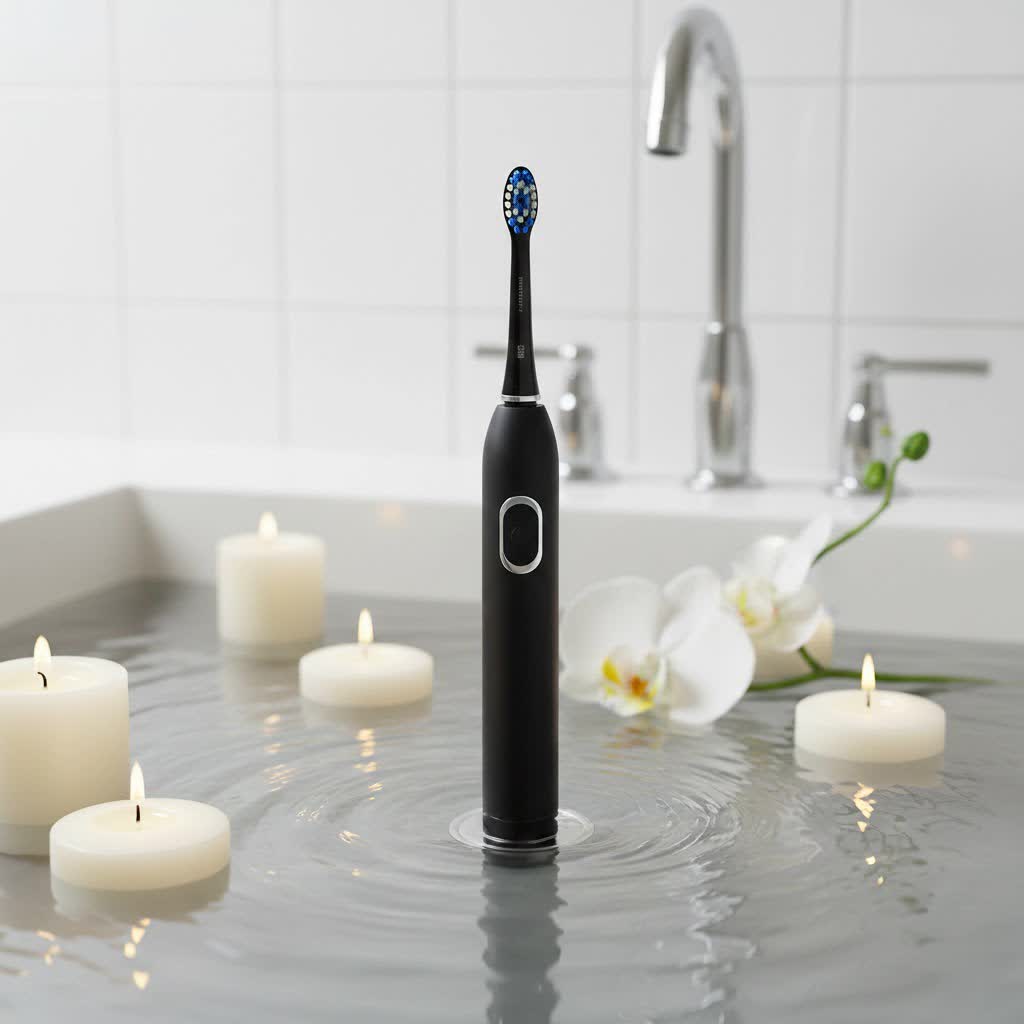
What is an Electric Toothbrush? Why Use One?
|
Our Picks for the Best Electric Toothbrush in 2026
As an Amazon Associate I earn from qualifying purchases.
|
||
| Num | Product | Action |
|---|---|---|
| 1 | Oral-B iO Deep Clean Rechargeable Electric Toothbrush, Black, iO Series 3 Limited, 2 Brush Heads, Travel Case, Pressure Sensor, 3 Cleaning Settings |

|
| 2 | Philips Sonicare 4100 Series Electric Toothbrush - Sonic Toothbrush with Advanced Sonic Technology, Pressure Sensor, Two Intensity Settings, Smartimer & Quadpacer, White, Model HX3681/23 |
|
| 3 | Electric Toothbrush with Water Flosser for Teeth, Sonic Electric Toothbrush and Electric Floss for Adults and Kids, Water Dental Picks, Cleaning and Flossing Dental Care, Waterproof |
|
| 4 | Aquasonic Black Series Ultra Whitening Toothbrush – ADA Accepted Electric Toothbrush- 8 Brush Heads & Travel Case – 40,000 VPM Electric Motor & Wireless Charging - 4 Modes w Smart Timer |
|
| 5 | Philips Sonicare 4100 Series Electric Toothbrush - Sonic Toothbrush with Advanced Sonic Technology, Pressure Sensor, Two Intensity Settings, Smartimer & Quadpacer, Black, Model HX3681/24 |
|
| 6 | Oral-B Pro 1000 Rechargeable Electric Toothbrush, White |
|
| 7 | Philips Sonicare 1100 Series Electric Toothbrush - Sonic Toothbrush with Advanced Sonic Technology, EasyStart, Smartimer & Quadpacer, White, Model HX3641/02 |
|
| 8 | Oral-B Pro 1000 Rechargeable Electric Toothbrush, Pink |
|
| 9 | Oral-B Pro 1000 Rechargeable Electric Toothbrush, Black |
|
| 10 | Ultrasonic Toothbrush for Adults - Automatic Electric Toothbrush with Soft Bristles Waterproof & Washable Rechargeable Portable Design with Wireless Charging 30'' Timer for Travel & Home Use (White) |
|
An electric toothbrush is an advanced oral hygiene device that uses motor-driven vibrations or rotations to clean your teeth and gums. Unlike a manual brush, which relies entirely on your technique, an electric toothbrush does much of the work for you, making effective cleaning more consistent and accessible.
Compared to a manual toothbrush, electric models offer several advantages. While a manual brush requires precise, consistent technique to be effective, electric toothbrushes provide thousands of brush strokes per minute, significantly boosting plaque removal. They often come with built-in timers and pressure sensors, guiding you to brush for the recommended duration and with appropriate force, protecting your gums from damage. The primary benefits include more effective plaque removal, a significant reduction in gingivitis, improved gum health, and often, enhanced stain removal for whiter teeth. Their ease of use and consistent performance make them a superior choice for comprehensive oral care.
Common Types of Electric Toothbrushes
The market primarily offers three types of electric toothbrushes, each employing a distinct cleaning mechanism:
- Oscillating-Rotating Electric Toothbrushes: These brushes typically feature a small, round head that rotates back and forth rapidly. Some models also incorporate pulsations to dislodge plaque more effectively. This mechanical action physically scrubs plaque from each tooth surface. Brands like Oral-B are well-known for their oscillating-rotating technology.
- Sonic Electric Toothbrushes: Sonic toothbrushes, such as the BURST electric toothbrush and Philips Sonicare models, utilize high-frequency vibrations to clean teeth. These vibrations create dynamic fluid action, generating micro-bubbles that penetrate between teeth and along the gumline, cleaning areas beyond direct bristle contact. They operate at speeds significantly higher than oscillating-rotating brushes, often producing tens of thousands of brush strokes per minute. The BURST sonic toothbrush, for instance, boasts up to 33,000 sonic vibrations per minute in its whitening mode, designed for effective plaque and stain removal.
- Ultrasonic Electric Toothbrushes: Less common, ultrasonic toothbrushes use very high-frequency vibrations (above 20,000 Hz, inaudible to humans) to clean teeth. This technology relies on hydrodynamic forces to break down plaque and bacteria, sometimes in combination with sonic movements.
Choosing the right type often depends on personal preference and specific oral health needs. Sonic brushes are often praised for their gentle yet powerful cleaning action, making them suitable for those with sensitive gums or orthodontic appliances. Oscillating-rotating brushes are highly effective at mechanical plaque removal, with some studies suggesting they may remove slightly more plaque than sonic brushes, though both are far superior to manual brushing [1 – search 3].
Comparison Table of Leading Electric Toothbrush Brands
| Brand | Notable Technology | Advantages | Disadvantages | Estimated Price Range |
|---|---|---|---|---|
| BURST | Sonic vibrations (up to 33,000 VPM), charcoal-infused bristles, pressure sensor, multiple modes. | Excellent plaque and stain removal, gentle on gums, long battery life, often has lifetime warranty [2, 4 – search 1]. | Charcoal efficacy debated by some dentists [4 – search 1]. | Mid-range |
| Oral-B | Oscillating-rotating with pulsations, 3D cleaning action, Bluetooth connectivity. | Deep cleaning, targets individual teeth, good for comprehensive plaque removal. | Can be more aggressive if too much pressure is applied, some find heads bulky. | Mid-to-high range |
| Philips Sonicare | Sonic vibrations (up to 62,000 VPM), advanced pressure sensors, different brush head types. | Gentle on gums, dynamic fluid action cleans beyond bristles, sleek design, long battery life. | Can be more expensive than some competitors. | Mid-to-high range |
| Xiaomi | Typically sonic, minimalist design, smart features in some models. | Affordable, good value for money, often includes smart features at a lower price point. | Quality and durability may not match premium brands, fewer advanced features. | Budget-to-mid-range |
Guide to Choosing the Right Electric Toothbrush
Selecting the perfect electric toothbrush involves considering your unique oral health profile and lifestyle. Here’s how to make an informed decision:
- Determine Your Needs: Start by identifying any specific oral health concerns. Do you have sensitive teeth or gums? Are you prone to gingivitis or plaque buildup? Do you want to whiten your teeth or need extra care for orthodontic work? For instance, the BURST sonic toothbrush is known for its gentle yet effective cleaning, making it a strong candidate for individuals with sensitive gums, offering specific sensitive and massage modes [1, 2 – search 2].
- Choose the Type of Brush: Decide between oscillating-rotating, sonic, or ultrasonic technology.
- Oscillating-rotating brushes are excellent for thorough, tooth-by-tooth cleaning.
- Sonic brushes, like BURST, offer a broader cleaning action, reaching between teeth and below the gumline through fluid dynamics, and are generally recommended for a gentle yet powerful clean [5 – search 3].
- Ultrasonic brushes provide the highest frequency vibrations for a deep clean but are less common.
- Select the Right Brush Head: Electric toothbrush heads vary in shape, size, and bristle type.
- Round vs. Oval: Oscillating-rotating brushes usually have small, round heads, while sonic brushes often feature more oval-shaped heads.
- Bristle Firmness: Opt for soft or extra-soft bristles to protect your enamel and gums. The BURST toothbrush features soft, tapered, multi-length bristles infused with Binchotan charcoal, designed to reach deep and effectively remove plaque without causing damage [1, 2 – search 1].
- Specialized Heads: Some brands offer heads for whitening, gum care, or tongue cleaning. The BURST brush includes a tongue scraper on the back of its head [1 – search 1].
- Consider Additional Features: Modern electric toothbrushes come packed with smart functionalities.
- Pressure Sensor: A crucial feature that alerts you when you’re brushing too hard, preventing gum recession and enamel wear. The BURST toothbrush’s motor slows down if too much pressure is applied, while its Pro 2.0 version offers real-time feedback [1, 3 – search 1; 3 – search 2].
- Timer and Quadrant Pacer: Most electric toothbrushes include a 2-minute timer, often with 30-second intervals to guide you to brush each quadrant of your mouth evenly. The BURST brush has this essential feature [1, 2 – search 1].
- Bluetooth Connectivity/App: Allows you to track your brushing habits, receive personalized coaching, and monitor progress over time.
- Battery Life: A long-lasting battery is a significant convenience. The BURST toothbrush offers an impressive battery life of up to 4 weeks, with the Pro 2.0 model extending to up to 9 months on a single charge [2, 3 – search 1].
- Multiple Modes: Brushing modes like “whitening,” “sensitive,” “massage,” or “gum care” allow you to customize your brushing experience. BURST offers multiple modes to cater to different needs [1, 2, 4, 5 – search 1].
- Budget: Electric toothbrushes range widely in price. Determine your budget and compare features across different models. Remember that investing in a quality electric toothbrush can lead to long-term oral health benefits, potentially reducing future dental costs.
Top Electric Toothbrushes Recommended Today
Among the plethora of options, certain electric toothbrushes consistently stand out for their performance, innovation, and user satisfaction.
BURST Sonic Toothbrush
The BURST sonic toothbrush has garnered significant attention, particularly within the dental professional community, for its unique blend of features and effectiveness. It is a sonic toothbrush that delivers up to 33,000 sonic vibrations per minute, providing a powerful yet gentle clean [1 – search 1].
- Advantages:
- Superior Cleaning: Clinically proven to remove up to 10 times more plaque than a manual toothbrush and reduce gingivitis by up to 3 times [2, 3 – search 1].
- Charcoal-Infused Bristles: Its soft, multi-length PBT nylon bristles are coated with Binchotan charcoal nanoparticles, which are designed to maximize plaque and gingivitis removal and help with surface stain reduction without harming gums or enamel [1, 2 – search 1].
- Multiple Brushing Modes: Features modes like Whitening, Sensitive, and Massage, allowing for a personalized brushing experience [1, 2 – search 2].
- Smart Features: Includes a 2-minute timer with 30-second quadrant pacing and a pressure sensor to prevent over-brushing [1, 3 – search 1].
- Exceptional Battery Life: Offers up to 4 weeks of battery life on a single charge for the original model, with the Pro 2.0 extending to an impressive 9 months [2, 3 – search 1].
- Lifetime Warranty: The original BURST toothbrush is known for its lifetime warranty, providing long-term peace of mind [2, 4 – search 1].
- Disadvantages:
- While effective for stain removal, some dental professionals debate the added whitening benefit specifically from charcoal-infused bristles [4 – search 1].
- Some users find the soft bristles and vibrations less effective for tongue cleaning [2 – search 1].
> “The BURST toothbrush stands out for its high vibration frequency and remarkably soft bristles, delivering a cleaning sensation akin to a professional dental visit. Its design truly prioritizes gum health and effective plaque removal.” – Dr. Emily R., Dentist and Oral Care Specialist
How to Use an Electric Toothbrush Correctly
Maximizing the benefits of your electric toothbrush, including the BURST, requires proper technique:
- Preparation: Attach the brush head firmly to the handle. Apply a pea-sized amount of toothpaste.
- Positioning: Place the brush head at a 45-degree angle to your gumline, covering one to two teeth at a time.
- Brushing Technique:
- For sonic brushes (like BURST): Gently glide the brush across each tooth surface without scrubbing. Let the high-frequency vibrations do the work. Slowly move from tooth to tooth, allowing the brush to clean each area for a few seconds [1, 5 – search 1].
- For oscillating-rotating brushes: Guide the brush head around each tooth, letting it cup and clean the surfaces.
- Timing: Brush for the dentist-recommended two minutes. Most electric toothbrushes have a built-in timer and a quad-pacer that signals every 30 seconds to move to the next section of your mouth.
- Coverage: Ensure you brush all surfaces: outer, inner, and chewing surfaces of your teeth. Don’t forget to gently brush your tongue to remove bacteria causing bad breath.
- Rinsing and Storage: After brushing, rinse your mouth and the brush head thoroughly. Store your electric toothbrush upright, allowing it to air dry, and replace the brush head every three months or sooner if bristles appear frayed.
Common Issues and Troubleshooting When Using an Electric Toothbrush
Even with the best electric toothbrushes, you might encounter occasional issues. Here are some common problems and their solutions:
- Brush Not Vibrating/Rotating: Check if the toothbrush is fully charged. If it’s a new brush head, ensure it’s attached correctly. Sometimes, debris can build up around the shaft; clean it thoroughly. If the issue persists, contact customer support or refer to your warranty (BURST offers a lifetime warranty on its original brush) [2, 4 – search 1].
- Battery Draining Quickly: Over time, rechargeable batteries can lose efficiency. Ensure you are charging the toothbrush as per manufacturer instructions. If battery life significantly shortens, it might be time for a replacement or a warranty claim.
- Brush Head Wearing Out Fast: Brushing too hard is a common culprit. Engage the pressure sensor feature if your brush has one. Ensure you’re replacing brush heads every 3 months or as soon as bristles show signs of wear.
- Bleeding Gums: Initial gum bleeding can occur if you’re switching from a manual brush or if you have pre-existing gum inflammation. This often subsides within a week or two as your gums become healthier. If bleeding persists, consult your dentist. Ensure you’re using a sensitive mode and not applying excessive pressure.
Conclusion
Choosing the right electric toothbrush is a pivotal step towards optimal oral health. While various technologies offer excellent cleaning, sonic options like the BURST electric toothbrush stand out for their powerful yet gentle performance, impressive features, and dental professional backing. By understanding the different types, considering your personal needs, and adopting correct brushing techniques, you can unlock a new level of clean and enjoy a healthier, brighter smile. Invest in your oral health today – your future self will thank you.
What features do you prioritize most when choosing an electric toothbrush, and why?
Frequently Asked Questions
What makes the BURST Electric Toothbrush different from other sonic brushes?
The BURST Electric Toothbrush distinguishes itself with its high sonic vibration frequency (up to 33,000 VPM), unique charcoal-infused, multi-length bristles for enhanced plaque and stain removal, a robust pressure sensor, and an exceptionally long battery life. It also offers multiple brushing modes and a unique design feature with a small gap between the head and handle for maximum sonic vibration transmission [1, 2, 3 – search 1].
Is the BURST toothbrush good for sensitive teeth and gums?
Yes, the BURST sonic toothbrush is highly recommended for sensitive teeth and gums. Its soft, tapered bristles and dedicated sensitive mode, which operates at a slightly lower vibration frequency (31,000 VPM), ensure a gentle yet effective cleaning experience. The pressure sensor also helps prevent accidental damage from over-brushing, protecting delicate gum tissue [1, 2, 4 – search 1].
