Have you ever wondered if you’re brushing your teeth too hard? Many people do, and applying excessive pressure can lead to serious oral health issues like gum recession and enamel erosion. Thankfully, modern dental technology offers a brilliant solution: the electric toothbrush with a built-in pressure sensor. This innovative feature acts as your personal brushing coach, guiding you to a safer, more effective clean and ensuring your smile stays healthy for years to come.
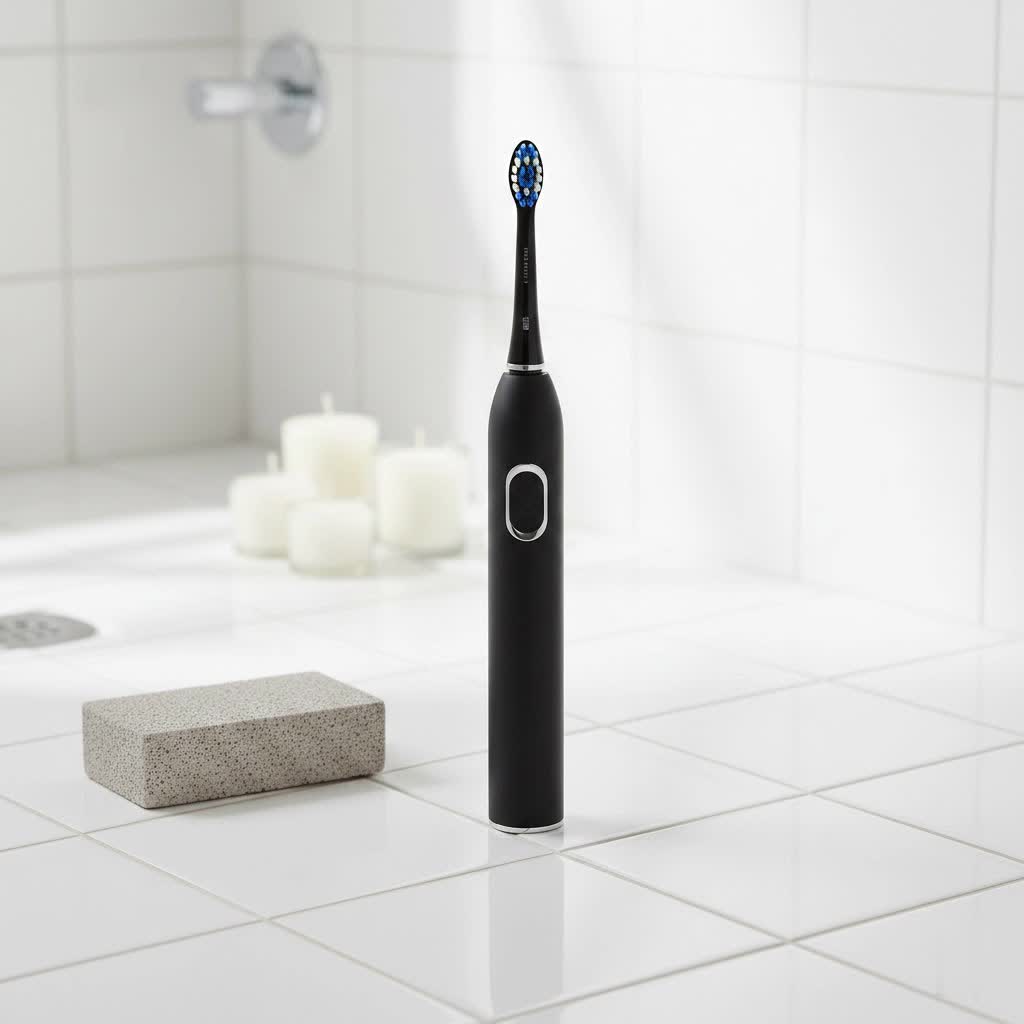
What is an Electric Toothbrush with a Pressure Sensor? Why Use One?
An electric toothbrush with a pressure sensor is a smart oral hygiene device designed to protect your teeth and gums from damage caused by over-brushing. At its core, a pressure sensor is a small component integrated into the toothbrush handle that detects the amount of force you apply while brushing. When you press too hard, the toothbrush provides immediate feedback, helping you adjust your technique in real-time. This can manifest in several ways, depending on the model: the brush might reduce its speed or vibration, a warning light (often red) might illuminate, or you might hear a distinct sound or feel a pulsing vibration.
The benefits of incorporating a pressure sensor into your daily routine are substantial. Primarily, it prevents gum damage and enamel erosion. Over-brushing is a leading cause of gum recession, which exposes sensitive tooth roots and can lead to discomfort and pain. By alerting you to excessive force, the pressure sensor helps you maintain the gentle touch required to protect these delicate tissues. This is especially crucial for individuals with sensitive teeth, as research indicates that those with sensitivity tend to apply more pressure when brushing.
Beyond protection, pressure sensors ensure more effective plaque removal. While it might seem counterintuitive, brushing harder doesn’t mean cleaning better; it often means causing harm. The sensor guides you to apply the optimal pressure needed for the bristles to effectively clean tooth surfaces and gum lines without causing abrasion. Some advanced “smart pressure sensors,” like those found in the Oral-B iO series, even indicate when you’re applying the correct pressure with a green light, or even if you’re not applying enough, ensuring a thorough clean every time. Ultimately, this feature helps you develop better long-term brushing habits, fostering a gentler and more effective approach to oral care.
Understanding the Types of Electric Toothbrushes and Pressure Sensor Integration
Electric toothbrushes generally fall into three main categories based on their cleaning action:
- Rotary/Oscillating Toothbrushes: These feature a small, round brush head that rotates, oscillates, and pulsates to break up and sweep away plaque. Brands like Oral-B are well-known for this technology. Pressure sensors in these models often work by either reducing the brush head’s rotation speed or illuminating a light.
- Sonic Toothbrushes: These brushes use high-frequency vibrations to generate thousands of brush strokes per minute, creating dynamic fluid action that reaches between teeth and along the gumline. Philips Sonicare is a prominent brand in this category. Pressure sensors here typically alert users through a change in vibration intensity, a pulsing sound, or a light at the base of the handle.
- Ultrasonic Toothbrushes: These operate at even higher frequencies than sonic brushes, using ultrasonic waves to disrupt plaque bacteria. While less common, some ultrasonic models may also integrate pressure sensing technology.
Regardless of the brushing technology, the core function of the pressure sensor remains consistent: to alert you when too much force is applied. The method of feedback—whether visual, haptic, or an automatic power reduction—varies by brand and model, offering different user experiences.
Top Electric Toothbrush Brands with Pressure Sensors
Many leading brands offer electric toothbrushes equipped with pressure sensors. Here’s a comparison of some popular choices:
| Brand | Key Technology/Features | Benefits | Common Sensor Feedback | Noted Models |
|---|---|---|---|---|
| Oral-B | Oscillating-rotating-pulsating (3D Cleaning), Bluetooth connectivity (on some models), AI tracking (iO series) | Excellent plaque removal, deep clean, often includes smart features like AI monitoring | Red light for excessive, green for optimal (iO series), reduced pulsations/speed | Oral-B Pro 1000, Smart 1500, iO Series (iO2, iO5, iO10) |
| Philips Sonicare | High-speed sonic vibrations, various brushing modes, pressure sensing | Gentle on gums, effective cleaning, long battery life, sleek design | Change in vibration/intensity, pulsing sound, light at base | Philips Sonicare 4100, 7100, 9900 Prestige |
| Other Brands | Diverse technologies, focus on affordability or specific features | Often budget-friendly, good for basic pressure sensing needs | Varies (e.g., flashing light, automatic shut-off) | Xiaomi, Burst, Ordo Sonic Lite |
Oral-B’s iO Series stands out with its “smart pressure sensor” which not only warns against over-brushing with a red light but also indicates optimal pressure with a green light and even insufficient pressure. This comprehensive feedback helps users achieve the most effective clean. Philips Sonicare models, such as the 9900 Prestige, can automatically adjust brushing intensity when too much pressure is detected.
How to Choose the Right Electric Toothbrush with a Pressure Sensor
Selecting the ideal electric toothbrush involves more than just picking a brand. Consider these factors to find a model that perfectly suits your oral health needs:
- Identify Your Specific Needs:
- Sensitive Teeth or Gums? A pressure sensor is particularly beneficial, as it protects against irritation. Look for models with “sensitive” modes and soft-bristled brush heads.
- Gum Recession or Enamel Erosion Concerns? The sensor is a vital tool for preventing further damage.
- Desire for Whitening or Deep Clean? Ensure the toothbrush offers specific modes for these goals, in addition to the pressure sensor.
- Evaluate Pressure Sensor Feedback:
- Visual Alerts: Do you prefer a light (e.g., red/green ring) that you can easily see in your peripheral vision? This is common in Oral-B models.
- Haptic (Vibration) Alerts: Would you prefer to feel a change in the brush’s vibration or a pulsing sensation? Philips Sonicare often uses this.
- Auditory Alerts: Some brushes may emit a sound.
- Automatic Adjustment: Do you want the brush to automatically reduce power or speed when too much pressure is applied? This offers an added layer of protection.
- Consider Brush Head Options:
- Shape: Oral-B typically uses small, round brush heads, while Sonicare heads are often more oval. Each has its proponents for reaching different areas of the mouth.
- Bristle Type: Always opt for soft or extra-soft bristles, regardless of how hard you think you brush. The pressure sensor will manage the force, not the bristles.
- Look for Other Smart Features:
- Built-in Timer and Quadrant Pacer: Most electric toothbrushes have a 2-minute timer with 30-second intervals to ensure you brush each quadrant of your mouth evenly.
- Bluetooth Connectivity and Apps: Advanced models connect to smartphone apps, offering real-time feedback, personalized coaching, and brushing reports to track your habits and identify missed spots.
- Multiple Brushing Modes: Beyond “daily clean,” look for modes like “sensitive,” “gum care,” “whitening,” or “intense clean” to tailor your brushing experience.
- Budget: Electric toothbrushes range widely in price. Determine a comfortable price point, keeping in mind that replacement brush heads are an ongoing cost. While basic models offer essential pressure sensing, higher-end options provide more sophisticated feedback and smart features.
Using Your Pressure Sensor Electric Toothbrush Correctly
Even with a smart pressure sensor, proper technique is essential for optimal oral hygiene.
- Apply Toothpaste: Apply a pea-sized amount of toothpaste to the brush head.
- Angle the Brush: Hold the toothbrush at a 45-degree angle to your gum line.
- Glide, Don’t Scrub: Place the brush head on one tooth, turn the brush on, and let the bristles do the work. Gently glide the brush across your teeth, allowing it to clean each surface for a few seconds. Do not scrub vigorously as you would with a manual toothbrush.
- Respond to Feedback: If the pressure sensor activates (e.g., a red light appears, the vibration changes), ease up on the pressure immediately. Continue brushing gently until the alert stops. This helps reinforce the correct technique.
- Follow the Timer: Divide your mouth into four quadrants (upper right, upper left, lower right, lower left). Spend about 30 seconds in each quadrant, guided by the built-in timer.
- Clean All Surfaces: Remember to brush the outer, inner, and chewing surfaces of all your teeth, as well as your tongue for fresh breath.
- Rinse and Store: After brushing, rinse your mouth and the brush head thoroughly under running water. Store your toothbrush upright to air dry.
- Replace Brush Head: Change your brush head every three months, or sooner if the bristles are frayed, to maintain effectiveness.
Common Issues and Troubleshooting
While electric toothbrushes are reliable, you might encounter a few common issues:
- Pressure Sensor Not Activating: First, check your user manual to confirm if your specific model includes a pressure sensor and how it’s enabled. On some Philips Sonicare models, you can toggle this feature by holding the power button on the charger for a few seconds. Ensure the toothbrush is adequately charged, as low battery can sometimes affect sensor performance.
- Brush Head Wearing Down Quickly: If your brush heads seem to fray or wear out faster than the recommended three months, it might indicate you are still applying too much pressure despite the sensor. Pay close attention to the sensor’s feedback.
- Battery Drains Quickly: While not directly related to the pressure sensor, ensure you are charging your toothbrush according to the manufacturer’s instructions. Magnetic fast-charging stations for some Oral-B iO series models can fully recharge in about 3 hours.
- Unusual Noises or Vibrations: If your toothbrush develops unusual noises or vibrations, or the sensor acts erratically, consult your user manual for troubleshooting or contact customer support.
> “Using an electric toothbrush with a pressure sensor is one of the easiest and most effective ways to safeguard your gum health and prevent damage from over-brushing. It’s like having a dentist’s guiding hand every time you clean.” – Dr. Elena Petrova, Lead Dental Hygienist
Conclusion
An electric toothbrush with a pressure sensor is more than just a gadget; it’s a valuable investment in your long-term oral health. By providing real-time feedback and actively protecting your gums and enamel from excessive force, these smart devices empower you to brush effectively and confidently. From preventing gum recession and enamel erosion to promoting optimal plaque removal, the benefits are clear. Embracing this technology helps you cultivate better brushing habits, leading to a cleaner, healthier, and more protected smile. Isn’t it time you experienced the difference a smart brushing partner can make?
Frequently Asked Questions
How does an electric toothbrush pressure sensor actually detect too much pressure?
|
Our Picks for the Best Electric Toothbrush in 2026
As an Amazon Associate I earn from qualifying purchases.
|
||
| Num | Product | Action |
|---|---|---|
| 1 | Oral-B Pro 1000 Rechargeable Electric Toothbrush, Pink |

|
| 2 | Philips Sonicare 1100 Series Electric Toothbrush - Sonic Toothbrush with Advanced Sonic Technology, EasyStart, Smartimer & Quadpacer, White, Model HX3641/02 |
|
| 3 | Oral-B Pro 1000 Rechargeable Electric Toothbrush, White |
|
| 4 | Electric Toothbrush with Water Flosser for Teeth, Sonic Electric Toothbrush and Electric Floss for Adults and Kids, Water Dental Picks, Cleaning and Flossing Dental Care, Waterproof |
|
| 5 | Oral-B Pro 1000 Rechargeable Electric Toothbrush, Black |
|
| 6 | Philips Sonicare 4100 Series Electric Toothbrush - Sonic Toothbrush with Advanced Sonic Technology, Pressure Sensor, Two Intensity Settings, Smartimer & Quadpacer, Black, Model HX3681/24 |
|
| 7 | Aquasonic Black Series Ultra Whitening Toothbrush – ADA Accepted Electric Toothbrush- 8 Brush Heads & Travel Case – 40,000 VPM Electric Motor & Wireless Charging - 4 Modes w Smart Timer |
|
| 8 | Ultrasonic Toothbrush for Adults - Automatic Electric Toothbrush with Soft Bristles Waterproof & Washable Rechargeable Portable Design with Wireless Charging 30'' Timer for Travel & Home Use (White) |
|
| 9 | Oral-B iO Deep Clean Rechargeable Electric Toothbrush, Black, iO Series 3 Limited, 2 Brush Heads, Travel Case, Pressure Sensor, 3 Cleaning Settings |
|
| 10 | Philips Sonicare 4100 Series Electric Toothbrush - Sonic Toothbrush with Advanced Sonic Technology, Pressure Sensor, Two Intensity Settings, Smartimer & Quadpacer, White, Model HX3681/23 |
|
Pressure sensors typically use internal mechanisms, often involving a spring or electronic component, that register the physical force applied to the brush head. When this force exceeds a pre-set threshold, the sensor triggers a response, such as changing the brush’s pulsation, illuminating a light, or reducing motor power, to alert the user.
Can an electric toothbrush with a pressure sensor help with sensitive gums?
Absolutely. Over-brushing is a common cause of gum irritation and sensitivity. The pressure sensor directly addresses this by preventing you from applying excessive force, thereby protecting your delicate gum tissue and reducing the likelihood of pain and discomfort often associated with sensitive gums.
Are pressure sensors available on all types of electric toothbrushes?
While many modern electric toothbrushes, particularly from leading brands like Oral-B and Philips Sonicare, incorporate pressure sensors, it’s not a universal feature. Basic or older models might not have it. Always check the product specifications to ensure the model you choose includes a pressure sensor.
How accurate are electric toothbrush pressure sensors?
Modern pressure sensors in reputable electric toothbrushes are highly accurate and precisely calibrated to detect harmful levels of brushing force. Advanced models, like the Oral-B iO series, even offer multi-directional sensing to provide comprehensive feedback on your brushing technique, guiding you to optimal pressure for maximum effectiveness and safety.
Should I still use a soft-bristled brush head with a pressure sensor toothbrush?
Yes, it is always recommended to use soft-bristled brush heads, even with an electric toothbrush that has a pressure sensor. While the sensor manages the force you apply, soft bristles are inherently gentler on your gums and enamel, providing an extra layer of protection against abrasion and ensuring a comfortable brushing experience.
