Maintaining optimal oral hygiene is crucial for your overall health, and the right tools make all the difference. While manual toothbrushes have served us for centuries, the advent of the electric toothbrush has revolutionized how we approach daily dental care, offering a more efficient and thorough clean. If you’re looking to upgrade your brushing experience and achieve a brighter, healthier smile, understanding the world of electric toothbrushes is your first step. This guide will walk you through everything you need to know, from deciphering different technologies to selecting the perfect model that fits your unique needs and lifestyle.
What is an Electric Toothbrush? Why Should You Use One?
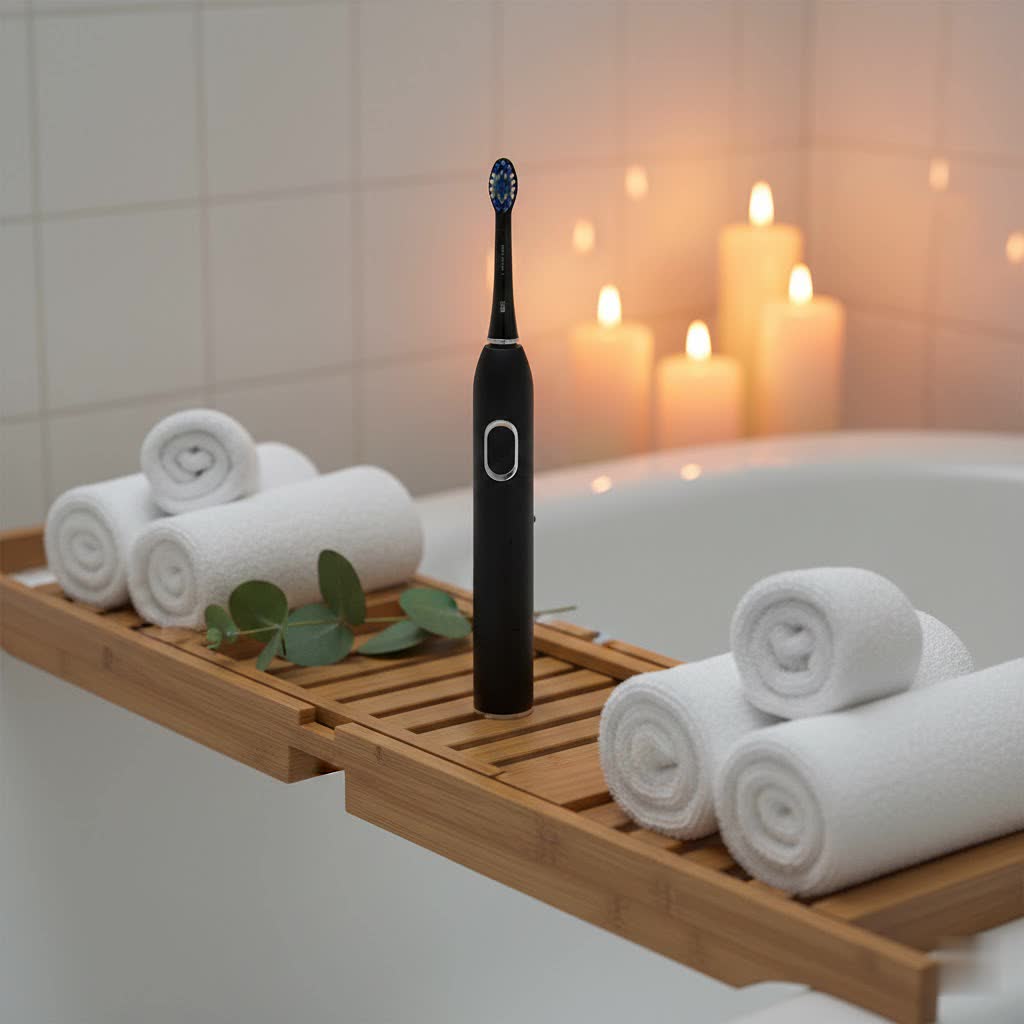
An electric toothbrush is a sophisticated dental tool that uses a powered motor to move the brush head automatically, performing thousands of strokes per minute. Unlike manual brushing, which relies entirely on your technique and effort, an electric toothbrush automates the vigorous cleaning action, making it easier to achieve a professional-level clean at home.
Electric vs. Manual Toothbrushes: A Head-to-Head Comparison
|
Our Picks for the Best Electric Toothbrush in 2026
As an Amazon Associate I earn from qualifying purchases.
|
||
| Num | Product | Action |
|---|---|---|
| 1 | Ultrasonic Toothbrush for Adults - Automatic Electric Toothbrush with Soft Bristles Waterproof & Washable Rechargeable Portable Design with Wireless Charging 30'' Timer for Travel & Home Use (White) |

|
| 2 | Oral-B Pro 1000 Rechargeable Electric Toothbrush, Black |
|
| 3 | Aquasonic Black Series Ultra Whitening Toothbrush – ADA Accepted Electric Toothbrush- 8 Brush Heads & Travel Case – 40,000 VPM Electric Motor & Wireless Charging - 4 Modes w Smart Timer |
|
| 4 | Philips Sonicare 1100 Series Electric Toothbrush - Sonic Toothbrush with Advanced Sonic Technology, EasyStart, Smartimer & Quadpacer, White, Model HX3641/02 |
|
| 5 | Philips Sonicare 4100 Series Electric Toothbrush - Sonic Toothbrush with Advanced Sonic Technology, Pressure Sensor, Two Intensity Settings, Smartimer & Quadpacer, White, Model HX3681/23 |
|
| 6 | Oral-B Pro 1000 Rechargeable Electric Toothbrush, Pink |
|
| 7 | Philips Sonicare 4100 Series Electric Toothbrush - Sonic Toothbrush with Advanced Sonic Technology, Pressure Sensor, Two Intensity Settings, Smartimer & Quadpacer, Black, Model HX3681/24 |
|
| 8 | Electric Toothbrush with Water Flosser for Teeth, Sonic Electric Toothbrush and Electric Floss for Adults and Kids, Water Dental Picks, Cleaning and Flossing Dental Care, Waterproof |
|
| 9 | Oral-B iO Deep Clean Rechargeable Electric Toothbrush, Black, iO Series 3 Limited, 2 Brush Heads, Travel Case, Pressure Sensor, 3 Cleaning Settings |
|
| 10 | Oral-B Pro 1000 Rechargeable Electric Toothbrush, White |
|
Choosing between an electric and manual toothbrush often comes down to personal preference, but electric models offer distinct advantages in cleaning effectiveness and user convenience.
| Feature | Manual Toothbrush | Electric Toothbrush |
|---|---|---|
| Plaque Removal | Relies on manual technique, less efficient | Superior plaque removal, often 100% more effective |
| Ease of Use | Requires consistent technique and effort | Automates brushing, just guide the brush along teeth |
| Brushing Time | Often insufficient | Built-in 2-minute timers and quadrant pacers ensure optimal brushing |
| Gum Protection | Risk of brushing too hard, uneven pressure | Many models feature pressure sensors to prevent damage |
| Versatility | Limited options for different needs | Multiple modes (sensitive, whitening, gum care), specialized brush heads |
| Dexterity | Can be challenging for those with limited mobility | Ideal for individuals with arthritis, children, or seniors |
| Cost | Very affordable initially | Higher initial investment, ongoing cost for replacement heads |
The benefits of an electric toothbrush are clear: they excel at removing plaque, promoting healthier gums, and even polishing away surface stains. Many users find the automated process not only more effective but also more enjoyable, encouraging better adherence to dental hygiene routines.
Types of Electric Toothbrushes
Electric toothbrushes generally fall into two main categories based on their cleaning mechanism: oscillating-rotating and sonic. A third, less common type, is ultrasonic. Understanding these differences is key to choosing the right one.
Rotary (Oscillating-Rotating) Electric Toothbrushes
These brushes feature small, round brush heads designed to cup each tooth individually. The head typically rotates in one direction and then the other (oscillates), often combined with pulsations to actively scrub and sweep away plaque. Oral-B is the most prominent brand utilizing this technology.
- Characteristics: Small, round brush head; rotates and oscillates; often includes pulsations.
- Pros: Highly effective at breaking up and sweeping away plaque; excellent for precise, tooth-by-tooth cleaning.
- Cons: Can be noisier than sonic brushes; the intense motion might feel more aggressive to some users.
- Best for: Individuals seeking powerful plaque removal, especially around braces or dental work, and those who prefer a thorough scrubbing sensation.
Sonic Electric Toothbrushes
Sonic toothbrushes have an elongated brush head, similar in shape to a manual toothbrush, and clean through high-frequency vibrations. These vibrations, often ranging from 24,000 to 62,000 strokes per minute, create dynamic fluid action that dislodges plaque not only from the tooth surface but also between teeth and along the gumline. Philips Sonicare is a leading brand in this category.
- Characteristics: Elongated brush head; high-frequency side-to-side vibrations.
- Pros: Gentler on gums and teeth; the sweeping motion can feel more like manual brushing; fluid dynamics help clean hard-to-reach areas.
- Cons: May cause a tickling sensation initially; some studies suggest rotary brushes slightly outperform in plaque removal.
- Best for: Those with sensitive gums, individuals looking for a gentler yet effective clean, and users who prefer a brushing sensation closer to a manual brush.
Ultrasonic Electric Toothbrushes
Ultrasonic toothbrushes are a niche type that operates at extremely high frequencies, typically above 20,000 Hz (2.4 million movements per minute), which is beyond the range of human hearing. These brushes aim to clean primarily through high-frequency vibrations that disrupt bacterial chains and plaque using hydrodynamic forces, rather than purely mechanical scrubbing.
- Characteristics: Very high frequency vibrations (ultrasound); may not involve significant physical motion for cleaning.
- Pros: Offers a deep clean at a microscopic level, potentially reaching below the gumline and into crevices.
- Cons: Often more expensive and harder to find; limited independent evidence supporting their superiority over sonic brushes for daily comprehensive plaque removal; some dental professionals recommend using them in combination with sonic action rather than as a standalone solution.
- Best for: Specific dental needs as recommended by a dental professional, often combined with sonic technology.
Which Type is Right for You?
The “best” type depends on your personal oral health needs and preferences. If you prioritize an intense, scrubbing clean, a rotary brush might be ideal. If you prefer a gentler experience with excellent interdental cleaning, a sonic brush is likely a better fit.
Comparison of Leading Electric Toothbrush Brands
The electric toothbrush market is dominated by a few key players, each offering unique features and technologies. Here’s a comparison of some top brands:
| Brand | Key Technology | Pros | Cons | Price Range (General) |
|---|---|---|---|---|
| Oral-B | Oscillating-Rotating, Pulsating, iO Magnetic Technology | Superior plaque removal, advanced smart features, diverse brushing modes | Higher price points, replacement brush heads can be expensive | Medium to High |
| Philips Sonicare | Sonic Vibrations, Fluid Dynamics | Gentle on gums, effective interdental cleaning, sleek designs, long battery life | Can be pricey, potentially fewer diverse modes compared to Oral-B | Medium to High |
| Xiaomi | Primarily Sonic (varies by model) | Highly affordable, minimalist design, good basic cleaning | Quality and durability may not match premium brands, fewer advanced features | Low to Medium |
| SURI | Sonic (with a focus on sustainability) | Eco-friendly materials (plant-based heads), good cleaning power, strong battery | Newer brand with fewer advanced smart features, limited availability | Medium |
How to Choose the Perfect Electric Toothbrush
Selecting an electric toothbrush can feel overwhelming with the myriad of options available. By focusing on your specific needs and understanding key features, you can make an informed decision.
Identify Your Oral Health Needs
Start by considering your unique dental profile.
- Sensitive teeth or gums? Look for sonic brushes or models with “sensitive” modes and pressure sensors.
- Braces, crowns, or dental work? Oscillating-rotating brushes can be precise for cleaning around hardware, while sonic brushes’ fluid action helps reach tight spaces. Soft bristles are crucial.
- Whitening goals? Many brushes offer “whitening” modes designed to polish away surface stains.
- Dexterity issues? Electric toothbrushes simplify the brushing motion, making them ideal for individuals with limited hand mobility.
Consider Brushing Technology
As discussed, rotary brushes offer intense mechanical cleaning, while sonic brushes provide a gentler, sweeping action. Try to consider which sensation you might prefer and which aligns with your specific cleaning priorities.
Brush Head Selection
The brush head is the real workhorse.
- Bristle Softness: Always opt for soft bristles to protect your enamel and gums from abrasion. This is a universal recommendation from dental professionals.
- Size and Shape: Smaller heads are often better for reaching back molars and tight spaces. Round heads (rotary) target individual teeth, while elongated heads (sonic) cover more surface area.
- Specialized Heads: You can find heads designed for whitening, gum care, orthodontics, or deep cleaning. Ensure your chosen model has readily available and affordable replacement heads. Brush heads should be replaced every three months, or sooner if bristles appear frayed.
Essential Features to Look For
Beyond the core technology, certain features significantly enhance your brushing experience and oral health outcomes.
- Pressure Sensor: This is a crucial feature. It alerts you (via light, sound, or vibration) when you’re brushing too hard, preventing damage to your gums and enamel.
- Built-in Timer and Quadrant Pacer: A 2-minute timer ensures you brush for the dentist-recommended duration. Many brushes also have a quadrant pacer that signals every 30 seconds, guiding you to brush each section of your mouth equally.
- Multiple Cleaning Modes: Options like “Daily Clean,” “Sensitive,” “Gum Care,” “Whitening,” or “Deep Clean” allow you to customize your brushing experience based on your current needs.
- Long Battery Life and Charging Options: Look for a brush that offers at least 2-3 weeks of use on a single charge. USB charging and compact travel cases are convenient for travel.
- Bluetooth Connectivity and App: While optional, smart features that connect to a smartphone app can provide real-time feedback on your brushing technique, track your habits, and even offer personalized coaching. This can be particularly useful for improving consistency and technique.
Budget Considerations
Electric toothbrushes range widely in price. Remember to consider not only the initial cost of the handle but also the ongoing cost of replacement brush heads, which can add up over time. Some brands offer subscription services for heads, which might be cost-effective.
Top Electric Toothbrushes for 2024
Based on performance, features, and user feedback, here are some highly-rated electric toothbrushes:
- Oral-B iO Series 10 (Best Overall): This flagship model boasts revolutionary iO magnetic technology, an interactive display, AI-powered brushing recognition, and multiple smart modes for an exceptionally thorough and personalized clean. While expensive, it offers cutting-edge features.
- Pros: Unparalleled cleaning performance, comprehensive smart features, real-time guidance, sleek design.
- Cons: Premium price point.
- Philips Sonicare DiamondClean 9000 (Best Sonic): A top-tier sonic brush known for its elegant design, effective stain removal, and gentle yet powerful cleaning. It includes multiple modes, intensity settings, and app connectivity.
- Pros: Excellent for stain removal and gum health, gentle sonic action, stylish, long battery life.
- Cons: High cost.
- Oral-B iO Series 3 (Best Value): Offers a fantastic entry point into Oral-B’s advanced iO technology without the top-tier price tag. It includes a smart pressure sensor and delivers a highly effective clean.
- Pros: Great performance for the price, includes essential iO features like pressure sensing, good cleaning power.
- Cons: Fewer advanced modes and display features than higher iO models.
- SURI Sustainable Electric Toothbrush (Best Eco-Friendly): For the environmentally conscious, SURI offers a sleek sonic toothbrush with recyclable, plant-based brush heads. It provides a strong clean with a focus on reducing plastic waste.
- Pros: Eco-friendly design, recyclable components, powerful sonic cleaning, strong battery life.
- Cons: Less feature-rich compared to leading smart brushes.
“Investing in the right electric toothbrush is an investment in your long-term health. It simplifies the process of achieving a dentist-clean feeling every day and can significantly improve your oral hygiene habits.” – Dr. Elena Petrova, Leading Oral Health Specialist
How to Use Your Electric Toothbrush Correctly
Even the best electric toothbrush requires proper technique to maximize its benefits. Here’s how to ensure you’re brushing effectively:
- Initial Setup: Always ensure the brush head is securely attached to the handle. If your brush is new, fully charge it according to the manufacturer’s instructions.
- Brushing Technique:
- Rotary brushes: Place the brush head on one tooth at a time, allowing it to cup the tooth surface. Guide it slowly along each tooth, spending a few seconds on each, before moving to the next. Do not scrub forcefully.
- Sonic brushes: Angle the brush head at a 45-degree angle to your gumline, similar to how you would with a manual brush. Gently glide the brush along your teeth, letting the high-frequency vibrations do the work. Avoid scrubbing back and forth vigorously.
- Duration: Utilize the built-in 2-minute timer. Mentally (or with the quadrant pacer) divide your mouth into four sections (upper right, upper left, lower right, lower left) and spend 30 seconds on each.
- Don’t Apply Excessive Pressure: Let the brush do the work. If your brush has a pressure sensor, pay attention to its warnings. Over-brushing can damage gums and enamel.
- Don’t Forget All Surfaces: Ensure you clean all tooth surfaces – outer, inner, and chewing surfaces. Also, gently brush your tongue to remove bacteria and freshen breath.
Care and Maintenance
Proper care extends the life of your electric toothbrush and ensures optimal hygiene.
- Rinse After Use: After each brushing, rinse the brush head thoroughly under running water with the handle switched on to remove toothpaste and debris.
- Separate and Dry: Switch off the handle, remove the brush head, and rinse both parts separately. Wipe them dry before reassembling or storing to prevent mildew and rust.
- Replace Brush Heads: Replace your brush head every three months, or sooner if the bristles become frayed or splayed. Worn bristles are less effective at cleaning.
- Charge Regularly: Follow charging instructions. Many brushes last weeks on a single charge, but consistent charging ensures it’s always ready.
Common Electric Toothbrush Problems and How to Fix Them
Even with proper care, electric toothbrushes can sometimes encounter issues. Here are common problems and their troubleshooting steps:
- Brush Not Turning On/Charging:
- Check the Power Outlet: Ensure the outlet is functional by plugging in another device.
- Verify Charger and Battery: Make sure the charging base is connected correctly and the toothbrush is seated properly. Allow ample time for a full charge, which can be 12-15 hours for some models. A dead or damaged battery might need professional attention or replacement under warranty.
- Clean Around Power Button: Toothpaste residue can build up around the power button, preventing it from engaging. Clean the area with a damp cloth.
- Physical Damage/Water Immersion: If the brush has been dropped or submerged in water beyond its waterproof rating, internal damage could occur. Check your warranty.
- Brush Head Not Moving or Weak Vibrations:
- Re-seat or Replace Brush Head: The brush head might not be seated correctly. Remove and firmly re-attach it. If the issue persists, try a new replacement brush head to rule out a faulty head.
- Check Metal Shaft: On oscillating-rotating brushes, inspect the small metal shaft where the brush head attaches. If it doesn’t move when the brush is on, there might be an internal issue with the handle.
- Pressure Sensor Activation: Many brushes will stop or reduce power if you press too hard. Ease up on the pressure.
- Excessive Bristle Wear:
- This is typically a sign of brushing too hard. Reduce the pressure you apply to your teeth. Your brush’s pressure sensor can help retrain your technique.
- Gum Bleeding or Sensitivity:
- Reduce Pressure: Again, excessive pressure is a common culprit.
- Use Soft Bristles: Ensure you are using soft bristles, as medium or hard bristles can irritate gums.
- Sensitive Mode: If available, switch to a sensitive brushing mode.
- Initial Adjustment: Some users experience slight gum sensitivity or minor bleeding when first switching to an electric toothbrush, especially a sonic one, as gums adjust. If persistent, consult your dentist.
Conclusion
The electric toothbrush stands as a testament to how technology can significantly enhance our daily routines, especially something as vital as oral hygiene. By offering superior plaque removal, innovative features like timers and pressure sensors, and specialized cleaning modes, an electric toothbrush empowers you to achieve a remarkably thorough and consistent clean that is often challenging to replicate with a manual brush. Whether you prioritize a powerful scrub or a gentle, deep clean, there’s an electric toothbrush designed to meet your needs and elevate your dental health. Taking the time to understand the different types, key features, and proper usage will ensure you make the best choice for a brighter, healthier smile. Are you ready to embrace the future of brushing?
Frequently Asked Questions
Are electric toothbrushes really better than manual ones?
Yes, generally, electric toothbrushes are considered more effective than manual toothbrushes. Studies have shown they remove significantly more plaque and can reduce gingivitis more efficiently, primarily due to their consistent, high-speed movements and built-in features like timers and pressure sensors.
How often should I replace my electric toothbrush head?
It is recommended to replace your electric toothbrush head every three months, or sooner if the bristles appear visibly frayed or worn. Worn bristles lose their effectiveness in cleaning teeth and gums properly.
Can electric toothbrushes damage my gums or teeth?
When used correctly, electric toothbrushes are safe and gentle. Many models include pressure sensors to prevent over-brushing, which is a common cause of gum recession and enamel wear with manual brushes. Always use soft bristles and follow recommended techniques.
How long do electric toothbrushes last?
The handle of an electric toothbrush can typically last anywhere from 3 to 5 years, or even longer with proper care and maintenance. Battery life, however, may degrade over time, and regular replacement of brush heads is essential for hygiene and effectiveness.
What’s the difference between sonic and oscillating-rotating electric toothbrushes?
Sonic toothbrushes vibrate at high frequencies, creating fluid dynamics that clean teeth and reach between them. Oscillating-rotating toothbrushes feature a small, round head that rotates back and forth, often with pulsations, to scrub each tooth individually. Both are effective, but offer different cleaning sensations.
