Navigating the vast world of oral care can feel overwhelming, especially when trying to find an electric toothbrush that delivers exceptional cleaning without breaking the bank. Are you tired of manual brushing but hesitant about the high cost of advanced models? This comprehensive guide will illuminate the path to selecting the best affordable electric toothbrush, ensuring you achieve a dentist-clean feeling every day. We’ll explore essential features, compare top budget-friendly brands, and provide actionable advice to empower your purchase decision, helping you find a device that perfectly balances performance, durability, and value.
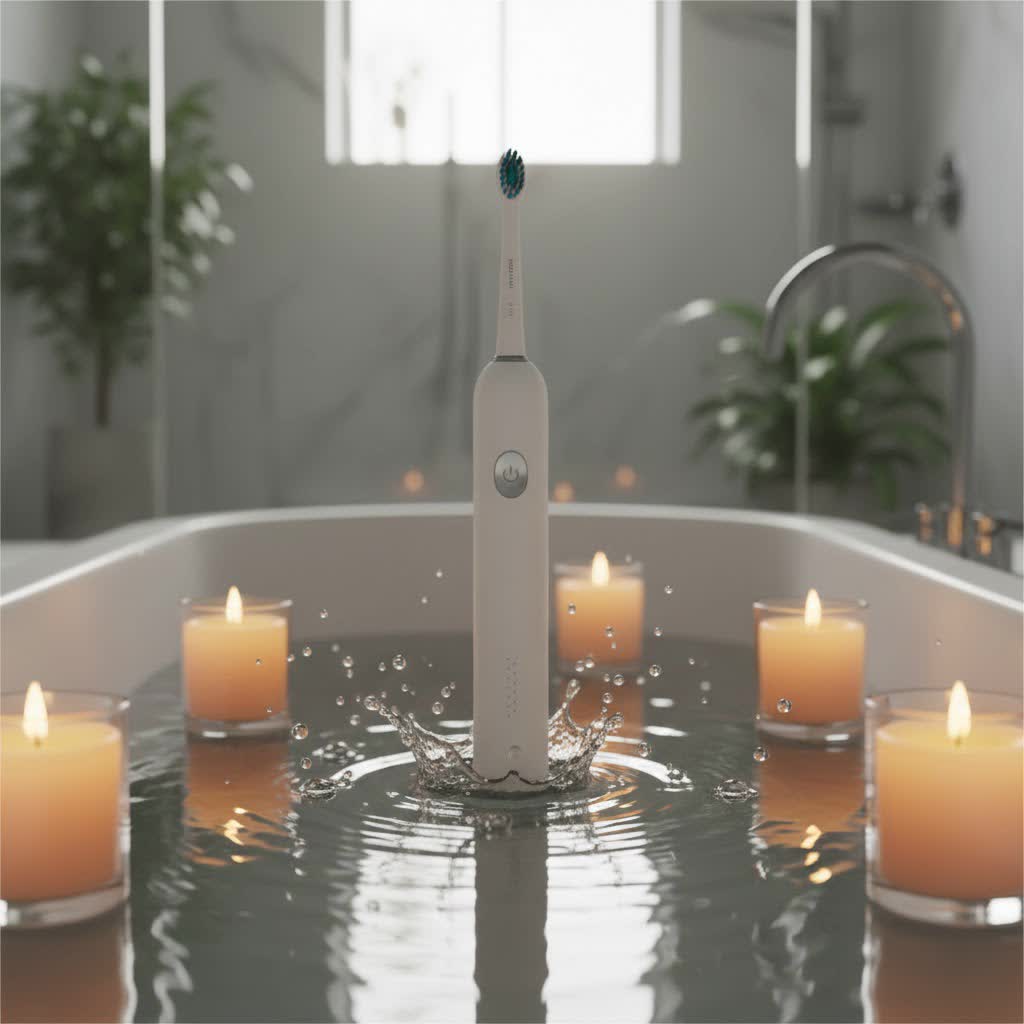
Understanding Electric Toothbrushes: Why Make the Switch?
An electric toothbrush is an advanced oral hygiene device that uses motor-driven oscillations, rotations, or vibrations to clean teeth more effectively than a manual brush. It takes the guesswork out of brushing, providing consistent power and movement that manual brushing often lacks.
Compared to traditional manual toothbrushes, electric models offer several distinct advantages. While manual brushes require precise technique and consistent effort, electric toothbrushes automate much of the cleaning process. They typically remove significantly more plaque, which is crucial for preventing cavities and gum disease. The consistent motion and often higher brush strokes per minute lead to a more thorough clean, reaching areas that can be challenging with a manual brush. However, a potential drawback can be the initial cost and the ongoing expense of replacement brush heads.
The benefits of using an electric toothbrush are compelling. Users often report noticeably cleaner teeth and fresher breath. Many models include features like built-in timers that ensure you brush for the dentist-recommended two minutes, and pressure sensors that prevent you from brushing too hard, protecting your gums and enamel. This combination of effective cleaning and built-in guidance makes electric toothbrushes a superior choice for maintaining optimal oral health.
Types of Electric Toothbrushes: Finding Your Fit
Electric toothbrushes generally fall into a few primary categories based on their cleaning technology: rotary (oscillating-rotating), sonic, and ultrasonic. Each type offers a unique brushing experience and distinct advantages.
Rotary (Oscillating-Rotating) Electric Toothbrushes: These brushes feature small, round heads that oscillate (move back and forth) and often pulsate to break up and sweep away plaque. Oral-B is the most prominent brand utilizing this technology.
- Characteristics: Small, round brush heads; combine oscillating, rotating, and sometimes pulsating movements.
- Pros: Excellent for scrubbing each tooth individually, effective at plaque removal, often feel very powerful.
- Cons: Can sometimes feel more abrasive if a pressure sensor isn’t used correctly; some find the small head takes longer to cover all teeth.
- Suitable for: Those who desire a deep, thorough scrub and don’t mind a more intense brushing sensation.
Sonic Electric Toothbrushes: Sonic brushes produce high-speed vibrations, generating thousands of brush strokes per minute. These vibrations create dynamic cleaning action, agitating fluids in your mouth (water, toothpaste, saliva) to reach between teeth and along the gumline. Philips Sonicare and many other brands use sonic technology.
- Characteristics: Elongated, oval-shaped brush heads (similar to manual brushes); use high-frequency vibrations (20,000 to 40,000 movements per minute).
- Pros: Gentle yet effective cleaning, good for gum health, often feel less aggressive than rotary brushes, wider coverage per stroke.
- Cons: Can be perceived as less “scrubbing” by some; higher price point for advanced models.
- Suitable for: Individuals with sensitive teeth and gums, or those who prefer a gentler yet highly effective cleaning action.
Ultrasonic Electric Toothbrushes: These are the most advanced type, vibrating at extremely high frequencies (up to 2.4 million movements per minute). The vibrations are so high that they are beyond the range of human hearing and don’t rely on physical brushing action to clean. Instead, they disrupt bacterial chains and plaque.
- Characteristics: Operate at frequencies far beyond sonic brushes; may not require physical contact with teeth for cleaning (though some models combine with sonic vibrations).
- Pros: Exceptionally gentle, highly effective at disrupting plaque and bacteria, can reach below the gumline.
- Cons: Very high price point, limited availability of truly ultrasonic-only models, replacement heads can be costly.
- Suitable for: Individuals with specific dental conditions, highly sensitive gums, or those seeking the most advanced (and expensive) technology. For affordable options, ultrasonic is rarely a consideration.
When choosing between rotary and sonic for an affordable electric toothbrush, sonic options often provide a gentle yet effective clean, while rotary models offer a robust scrubbing action. Your personal preference for brushing sensation and specific oral health needs will guide your choice.
Leading Affordable Electric Toothbrush Brands Compared
Many excellent brands offer reliable electric toothbrushes at budget-friendly prices. Here’s a comparison of some top contenders known for their affordable yet effective options:
| Brand | Notable Technology | Key Advantages | Potential Disadvantages | Estimated Price Range (USD) |
|---|---|---|---|---|
| Oral-B | Oscillating-rotating (3D Cleaning) | Deep cleaning, often includes pressure sensors and timers, widely available, diverse brush heads. | Some find the rotary motion aggressive, replacement heads can be pricier than some alternatives. | $30 – $80 (for entry/mid-level) |
| Philips Sonicare | Sonic technology (high-speed vibrations) | Gentle on gums, effective plaque removal, sleeker designs, long battery life. | Typically higher entry price point than Oral-B for comparable features, fewer brushing modes on basic models. | $40 – $100 (for entry/mid-level) |
| Ordo | Sonic technology | Excellent value for money, good battery life, USB charging for convenience. | Fewer advanced features like pressure sensors on some models, less widely known than Oral-B/Sonicare. | $25 – $60 |
| Voom Sonic | Sonic technology | Very affordable, simple to use, often includes timer. | Limited advanced features, brand recognition. | $20 – $50 |
| Quip | Sonic vibrations (battery-powered) | Subscription model for heads, minimalist design, travel-friendly, gentle. | Less powerful than other electric toothbrushes, uses AAA batteries instead of rechargeable on basic models. | $25 – $50 (plus subscription) |
| Xiaomi | Sonic technology | Ultra-affordable, minimalist design, good for basic cleaning. | Often basic features, long-term durability may vary, limited advanced options. | $20 – $40 |
Note: Prices are estimates and can vary based on sales, retailers, and specific models.
Your Buying Guide: Choosing the Right Affordable Electric Toothbrush
Selecting an electric toothbrush can be a personal journey, as what works best for one person might not be ideal for another. When focusing on affordable options, it’s crucial to prioritize features that offer the most significant impact on your oral health.
1. Identify Your Specific Needs
Before diving into models, consider your oral health profile:
- Sensitive teeth or gums? Look for models with “sensitive” modes or softer bristles. Sonic brushes are generally recommended for sensitivity.
- Plaque buildup concerns? Rotary brushes are often lauded for their intense scrubbing action, while sonic brushes excel at disrupting plaque along the gumline.
- Looking for whitening? Some brushes have specific whitening modes, but consistent effective cleaning is the best way to maintain natural tooth brightness.
|
Our Picks for the Best Electric Toothbrush in 2026
As an Amazon Associate I earn from qualifying purchases.
|
||
| Num | Product | Action |
|---|---|---|
| 1 | Philips Sonicare 1100 Series Electric Toothbrush - Sonic Toothbrush with Advanced Sonic Technology, EasyStart, Smartimer & Quadpacer, White, Model HX3641/02 |

|
| 2 | Ultrasonic Toothbrush for Adults - Automatic Electric Toothbrush with Soft Bristles Waterproof & Washable Rechargeable Portable Design with Wireless Charging 30'' Timer for Travel & Home Use (White) |
|
| 3 | Oral-B Pro 1000 Rechargeable Electric Toothbrush, White |
|
| 4 | Oral-B Pro 1000 Rechargeable Electric Toothbrush, Pink |
|
| 5 | Oral-B Pro 1000 Rechargeable Electric Toothbrush, Black |
|
| 6 | Oral-B iO Deep Clean Rechargeable Electric Toothbrush, Black, iO Series 3 Limited, 2 Brush Heads, Travel Case, Pressure Sensor, 3 Cleaning Settings |
|
| 7 | Electric Toothbrush with Water Flosser for Teeth, Sonic Electric Toothbrush and Electric Floss for Adults and Kids, Water Dental Picks, Cleaning and Flossing Dental Care, Waterproof |
|
| 8 | Aquasonic Black Series Ultra Whitening Toothbrush – ADA Accepted Electric Toothbrush- 8 Brush Heads & Travel Case – 40,000 VPM Electric Motor & Wireless Charging - 4 Modes w Smart Timer |
|
| 9 | Philips Sonicare 4100 Series Electric Toothbrush - Sonic Toothbrush with Advanced Sonic Technology, Pressure Sensor, Two Intensity Settings, Smartimer & Quadpacer, White, Model HX3681/23 |
|
| 10 | Philips Sonicare 4100 Series Electric Toothbrush - Sonic Toothbrush with Advanced Sonic Technology, Pressure Sensor, Two Intensity Settings, Smartimer & Quadpacer, Black, Model HX3681/24 |
|
2. Choose the Right Brushing Technology
As discussed, rotary and sonic are the main players in the affordable segment:
- Rotary (Oscillating-Rotating): Offers a thorough, tooth-by-tooth clean. Good if you like a powerful feel.
- Sonic: Gentle yet effective, great for overall gum health and reaching tight spaces.
- Brushing Speed/Vibrations: Generally, more movements per minute mean more effective cleaning. Most budget electric toothbrushes offer sufficient power.
3. Consider Brush Head Design and Availability
The brush head is where the magic happens:
- Shape: Rotary brushes typically use small, round heads, while sonic brushes often have oval heads similar to manual brushes.
- Bristle Type: Soft bristles are recommended by dentists for most people to prevent gum damage.
- Specialized Heads: Some brands offer heads for sensitive cleaning, whitening, or even tongue cleaning. Check if these are compatible and affordable for your chosen model.
- Replacement Cost: This is a crucial long-term factor. Budget toothbrushes might have cheap initial costs, but expensive replacement heads can negate the savings. Look for multi-packs or subscription options if available.
4. Essential Features to Look For
Even on a budget, some features are non-negotiable for an effective electric toothbrush:
- Two-Minute Timer: Ensures you brush for the dentist-recommended duration. This is often integrated with 30-second quadrant timers, signaling when to move to a different section of your mouth.
- Pressure Sensor: A critical feature that alerts you (often with a light or vibration change) when you’re brushing too hard, preventing damage to gums and enamel. Many affordable Oral-B and some Sonicare models include this.
- Battery Life: A good affordable electric toothbrush should last at least 1-2 weeks on a single charge. Longer battery life is a bonus, especially for travel.
- Charging Type: USB charging can be more convenient for travel than shaver-socket specific chargers.
5. Setting Your Budget
“Affordable” means different things to different people.
- Entry-Level (under $40): Often provides basic timer functionality and effective cleaning but may lack pressure sensors or multiple modes. Great for first-time users.
- Mid-Range ($40-$80): Usually includes essential features like timers, pressure sensors, and potentially a few brushing modes. Offers the best balance of features and cost for most users.
- Replacement Heads: Always factor in the cost of replacement heads (recommended every three months) into your overall budget.
By carefully considering these factors, you can confidently choose an affordable electric toothbrush that meets your needs and enhances your oral hygiene routine.
Top Affordable Electric Toothbrushes (with Detailed Reviews)
Based on extensive research and user feedback, here are some of the best affordable electric toothbrushes that offer excellent value and performance:
1. Oral-B Pro 1000/Pro 3
- Overview: Often cited as the best value electric toothbrush, the Oral-B Pro 1000 (and its slightly more advanced sibling, the Pro 3) delivers powerful oscillating-rotating cleaning. It’s a workhorse that focuses on core brushing effectiveness.
- Pros:
- Effective Cleaning: Provides a thorough, deep clean with its 3D cleaning action.
- Pressure Sensor: Crucial for preventing overbrushing, often a feature found on more expensive models.
- Two-Minute Timer with Quadrant Alerts: Ensures optimal brushing time.
- ADA Accepted: A seal of approval for safety and efficacy.
- Affordable Replacement Heads: Widely available and reasonably priced.
- Cons:
- Only one cleaning mode (Daily Clean) on the Pro 1000 (Pro 3 adds more modes).
- Can be louder than sonic brushes.
- Not as many “smart” features as high-end models.
- Ideal for: First-time electric toothbrush users, those seeking a no-frills but highly effective clean, and anyone prone to brushing too hard.
2. Philips Sonicare ProtectiveClean 4100
- Overview: A popular choice for those who prefer sonic technology, the ProtectiveClean 4100 is celebrated for its gentle yet powerful cleaning. It’s often recommended as a great entry point into the Sonicare ecosystem.
- Pros:
- Gentle Sonic Cleaning: Highly effective at removing plaque while being gentle on gums, ideal for sensitive mouths.
- Pressure Sensor: Vibrates to alert you if you’re applying too much force.
- Two-Minute Timer and QuadPacer: Ensures even and adequate brushing.
- Brush Head Replacement Reminder: LED indicator lets you know when to swap out your brush head.
- Long battery life (up to 2 weeks).
- Cons:
- Only one brushing mode (Clean).
- Replacement heads can be slightly more expensive than Oral-B.
- Lacks advanced connectivity features.
- Ideal for: Individuals with sensitive teeth or gums, those who prefer a gentler brushing experience, and loyal Sonicare users on a budget.
3. Ordo Sonic Edge
- Overview: A strong contender in the ultra-low budget category, the Ordo Sonic Edge punches above its weight with impressive features for its price point. It’s a solid choice for those looking to upgrade from a manual brush without a significant investment.
- Pros:
- Excellent Value: Features and performance are remarkable for its price.
- Sonic Technology: Offers a good clean with sonic vibrations.
- Long Battery Life: Can last up to 6 weeks on a single charge.
- USB Charging: Very convenient for travel and charging anywhere.
- Two-minute timer with quadrant alerts.
- Cons:
- Only one brushing mode.
- Lacks a pressure sensor, which might be a drawback for aggressive brushers.
- Less widely available than major brands.
- Ideal for: Students, travelers, or anyone seeking a very affordable entry into electric toothbrushes without sacrificing basic effectiveness.
4. Voom Sonic Pro 5 Electronic Toothbrush
- Overview: This rechargeable electronic toothbrush stands out as a “Best Budget” pick in some reviews, offering more features and effectiveness than its price tag suggests.
- Pros:
- Very Affordable: A great option for those with tight budgets.
- Easy Setup and Use: Intuitive design makes it simple to get started.
- Five Brushing Settings: Offers versatility for different needs (though some modes might be marketing terms, the varied intensity can be useful).
- Two-Minute Timer with Quadrant Intervals: Helps ensure a complete clean.
- Cons:
- Lacks a battery life indicator and a built-in pressure sensor.
- Brush head can seem small to some users.
- Brand may be less familiar compared to market leaders.
- Ideal for: Budget-conscious users looking for multiple brushing modes and a simple, effective sonic clean.
Mastering Your Electric Toothbrush: Proper Usage and Care
Getting the most out of your affordable electric toothbrush involves more than just pressing a button. Proper technique and maintenance are key to maximizing its cleaning power and longevity.
How to Use Your Electric Toothbrush Correctly
- Attach the Brush Head: Ensure the brush head is securely clicked onto the handle.
- Apply Toothpaste: Apply a pea-sized amount of toothpaste to the brush head.
- Position the Brush: Place the brush head against your teeth at a 45-degree angle to the gumline, just like you would with a manual brush. Don’t scrub; let the toothbrush do the work.
- Guide, Don’t Scrub: Turn on the toothbrush and gently guide it slowly from tooth to tooth. Hold it in place for a few seconds on each tooth before moving to the next.
- Follow the Timer: Utilize the built-in two-minute timer and quadrant alerts. Divide your mouth into four sections (upper right, upper left, lower right, lower left) and spend 30 seconds on each. The brush will typically signal you when to move.
- Don’t Press Too Hard: If your brush has a pressure sensor, pay attention to its alerts. Excessive pressure can harm your gums and enamel.
- Brush All Surfaces: Remember to brush the outer, inner, and chewing surfaces of all your teeth. Don’t forget to gently brush your tongue to remove bacteria and freshen breath.
- Rinse: After brushing, rinse your mouth and the brush head thoroughly.
Ideal Brushing Time
Dentists recommend brushing for two minutes, twice a day. The built-in timers on most electric toothbrushes are designed to help you adhere to this recommendation, making sure you don’t cut your brushing short.
Cleaning and Maintaining Your Electric Toothbrush
- Rinse After Each Use: Detach the brush head and rinse both the head and the handle under running water to remove toothpaste residue.
- Store Properly: Store your toothbrush upright in a dry place, allowing it to air dry. Avoid covering it in a closed container immediately after use, as this can encourage bacterial growth.
- Replace Brush Heads: Most dental professionals recommend replacing your electric toothbrush head every three months, or sooner if the bristles appear frayed or worn. Worn bristles are less effective at cleaning and can be harsh on your gums. Many electric toothbrushes have indicator bristles that fade to signal it’s time for a replacement.
- Clean the Handle and Charger: Periodically wipe down the handle and charging base with a damp cloth to remove any grime buildup. Ensure the charging base is unplugged before cleaning.
- Battery Care: For rechargeable models, follow the manufacturer’s instructions for charging. Avoid letting the battery completely drain too frequently, as this can sometimes reduce its overall lifespan, though modern batteries are more resilient.
Common Electric Toothbrush Issues and Simple Solutions
Even the most reliable electric toothbrushes can sometimes encounter minor issues. Knowing how to troubleshoot these common problems can save you a trip to the store or a call to customer service.
-
Issue: Toothbrush Not Vibrating/Rotating or Weak Performance
- Cause: Low battery, loose brush head, or internal malfunction.
- Solution:
- Check Battery: Fully charge the toothbrush for the recommended time (usually 12-24 hours for a full charge). Ensure the charger is plugged in and working.
- Secure Brush Head: Remove the brush head and reattach it, ensuring it’s clicked into place firmly.
- Replace Brush Head: A worn-out or damaged brush head can sometimes affect performance. Try a new one.
- Clean Connection Points: Ensure no toothpaste or debris is obstructing the connection between the handle and the brush head.
- Contact Support: If none of these work, there might be an internal fault, and contacting the manufacturer for warranty or repair is the next step.
-
Issue: Battery Drains Quickly
- Cause: Aging battery, improper charging habits, or using power-intensive modes frequently.
- Solution:
- Full Charge Cycle: Perform a full charge and discharge cycle a few times. Let the battery completely drain, then charge it fully without interruption.
- Review Charging Habits: Avoid leaving the brush on the charger indefinitely if the manufacturer advises against it, though many modern brushes have smart charging. Ensure the charger and charging contacts are clean.
- Age of Brush: Batteries degrade over time. If the toothbrush is several years old, reduced battery life might be expected.
-
Issue: Brush Head Wears Out Too Quickly
- Cause: Brushing too hard, using incorrect technique, or inferior brush head quality.
- Solution:
- Monitor Pressure: If your brush has a pressure sensor, pay attention to its alerts. If not, consciously lighten your grip and allow the brush to do the work.
- Gentle Technique: Guide the brush gently from tooth to tooth rather than scrubbing vigorously.
- Quality Heads: Ensure you are using genuine replacement heads from the manufacturer or a reputable third-party. Counterfeit heads can have poor bristle quality.
-
Issue: Gums Bleeding or Discomfort During Brushing
- Cause: Brushing too hard, using bristles that are too firm, underlying gum disease, or needing adjustment to the electric toothbrush’s intensity.
- Solution:
- Check Pressure: Immediately reduce pressure. This is where a pressure sensor is invaluable.
- Soft Bristles: Ensure you are using “soft” or “extra-soft” brush heads. Avoid medium or firm bristles.
- Sensitive Mode: If your brush has a sensitive mode, use it.
- Adaptation Period: It can take a week or two to adapt to an electric toothbrush. Mild bleeding might occur initially but should subside.
- Consult Your Dentist: Persistent bleeding or pain should always prompt a visit to your dentist, as it could indicate gum disease or another oral health issue.
Addressing these issues promptly will help ensure your affordable electric toothbrush continues to provide an effective and comfortable cleaning experience.
Conclusion
Choosing the best affordable electric toothbrush doesn’t mean compromising on your oral health. With brands like Oral-B, Philips Sonicare, and Ordo offering feature-rich models at accessible price points, achieving a superior clean is well within reach. By prioritizing essential features like a two-minute timer, a pressure sensor, and readily available replacement heads, you can find a device that delivers excellent plaque removal and promotes healthier gums without straining your budget.
Remember, the goal is consistent, effective cleaning tailored to your needs. An affordable electric toothbrush is a smart investment in your long-term oral hygiene, providing that coveted dentist-fresh feeling every day. Which budget-friendly electric toothbrush will you choose to transform your brushing routine?
Frequently Asked Questions
How much should I expect to pay for a good affordable electric toothbrush?
You can find excellent affordable electric toothbrushes ranging from $30 to $80. These models typically include essential features like a two-minute timer and often a pressure sensor, delivering significant oral health benefits without the premium price of smart or high-end models.
Are cheap electric toothbrushes effective?
Yes, many affordable electric toothbrushes are highly effective. They offer superior plaque removal compared to manual brushes, thanks to their consistent power and integrated timers. While they may lack advanced features like Bluetooth connectivity or multiple intense cleaning modes, they excel at the fundamental task of cleaning your teeth thoroughly.
What are the most important features in a budget electric toothbrush?
The most crucial features in an affordable electric toothbrush are a two-minute timer with quadrant alerts (to ensure adequate brushing time for all areas) and a pressure sensor (to prevent damage from brushing too hard). A decent battery life and affordable, accessible replacement brush heads are also key considerations for long-term value.
How often do I need to replace brush heads, and what’s the cost?
It is recommended to replace electric toothbrush heads every three months, or sooner if the bristles become frayed. The cost of replacement heads varies by brand, but for affordable models, you can typically expect to pay between $10 and $25 for a pack of 2-4 heads, which is an important factor in the long-term cost of ownership.
Can an affordable electric toothbrush still be good for sensitive teeth?
Absolutely. Many affordable electric toothbrushes, particularly sonic models, are gentle enough for sensitive teeth and gums. Look for brushes that offer a “sensitive” mode or come with soft-bristled brush heads. A pressure sensor is also highly beneficial to prevent further irritation.
