Are you ready to transform your oral hygiene routine and achieve a brighter, healthier smile? Choosing the right electric toothbrush can make all the difference, moving beyond manual brushing to deliver a superior clean that actively fights plaque, protects your gums, and leaves your mouth feeling dentist-fresh. With countless models on the market, each boasting unique features and technologies, finding your perfect match can feel overwhelming. This comprehensive guide, informed by extensive expert testing and user reviews, will navigate you through the world of electric toothbrushes, helping you discover the ideal device to meet your dental needs and lifestyle.
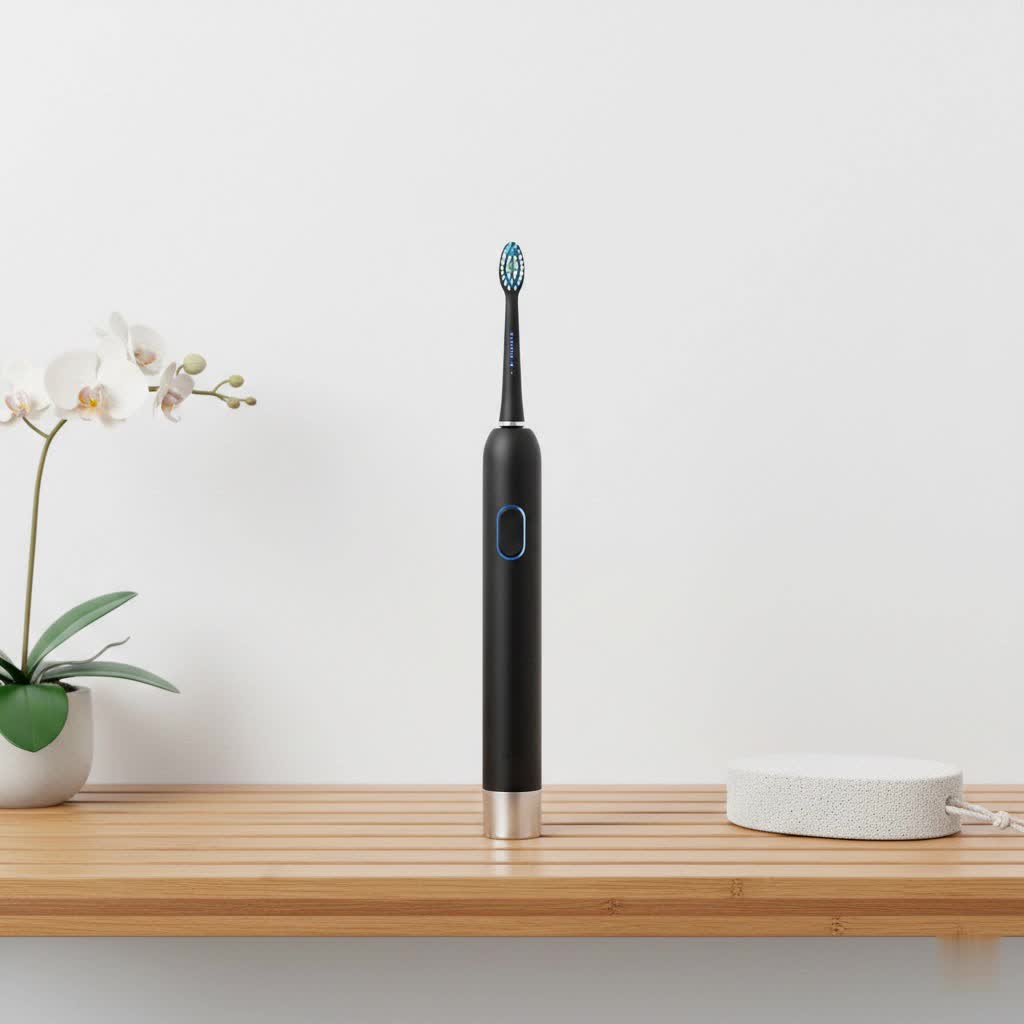
What is an Electric Toothbrush and Why Should You Use One?
An electric toothbrush is an oral hygiene device that uses electricity to move a small brush head at high speed, effectively removing plaque and debris from your teeth and gums. Unlike manual toothbrushes, which rely entirely on your hand movements, electric toothbrushes automate much of the brushing action, providing a more consistent and powerful clean.
Electric vs. Manual Toothbrushes: A Clear Advantage
While a manual toothbrush can be effective with proper technique, electric toothbrushes generally offer significant advantages:
- Superior Plaque Removal: Studies consistently show that electric toothbrushes are more effective at removing plaque than manual ones, some reducing plaque by 21% more over three months. This enhanced capability helps prevent cavities and gum disease.
- Improved Gum Health: The consistent and efficient cleaning action of electric toothbrushes can lead to healthier gums and reduced gingivitis.
- Built-in Guidance: Many electric toothbrushes come with smart features like two-minute timers and 30-second quadrant pacers, ensuring you brush for the dentist-recommended duration and cover all areas of your mouth evenly. Pressure sensors are also common, alerting you if you’re brushing too hard and protecting your enamel and gums from damage.
- Ease of Use: For individuals with limited dexterity, such as those with arthritis or mobility issues, electric toothbrushes simplify the brushing process, as they do most of the work for you.
- Stain Removal: The powerful cleaning action can be more effective at removing surface stains, contributing to a brighter smile.
- Motivation and Engagement: Interactive apps and gamified experiences, especially with smart toothbrushes, can encourage better brushing habits, making oral care more engaging, particularly for children.
|
Our Picks for the Best Electric Toothbrush in 2026
As an Amazon Associate I earn from qualifying purchases.
|
||
| Num | Product | Action |
|---|---|---|
| 1 | Oral-B iO Deep Clean Rechargeable Electric Toothbrush, Black, iO Series 3 Limited, 2 Brush Heads, Travel Case, Pressure Sensor, 3 Cleaning Settings |

|
| 2 | Aquasonic Black Series Ultra Whitening Toothbrush – ADA Accepted Electric Toothbrush- 8 Brush Heads & Travel Case – 40,000 VPM Electric Motor & Wireless Charging - 4 Modes w Smart Timer |
|
| 3 | Philips Sonicare 4100 Series Electric Toothbrush - Sonic Toothbrush with Advanced Sonic Technology, Pressure Sensor, Two Intensity Settings, Smartimer & Quadpacer, Black, Model HX3681/24 |
|
| 4 | Oral-B Pro 1000 Rechargeable Electric Toothbrush, White |
|
| 5 | Philips Sonicare 4100 Series Electric Toothbrush - Sonic Toothbrush with Advanced Sonic Technology, Pressure Sensor, Two Intensity Settings, Smartimer & Quadpacer, White, Model HX3681/23 |
|
| 6 | Electric Toothbrush with Water Flosser for Teeth, Sonic Electric Toothbrush and Electric Floss for Adults and Kids, Water Dental Picks, Cleaning and Flossing Dental Care, Waterproof |
|
| 7 | Ultrasonic Toothbrush for Adults - Automatic Electric Toothbrush with Soft Bristles Waterproof & Washable Rechargeable Portable Design with Wireless Charging 30'' Timer for Travel & Home Use (White) |
|
| 8 | Oral-B Pro 1000 Rechargeable Electric Toothbrush, Black |
|
| 9 | Philips Sonicare 1100 Series Electric Toothbrush - Sonic Toothbrush with Advanced Sonic Technology, EasyStart, Smartimer & Quadpacer, White, Model HX3641/02 |
|
| 10 | Oral-B Pro 1000 Rechargeable Electric Toothbrush, Pink |
|
Types of Electric Toothbrushes
Electric toothbrushes primarily fall into two main categories based on their brushing technology: oscillating-rotating and sonic. Understanding these differences is key to choosing the right one for you.
- Oscillating-Rotating Toothbrushes: These brushes feature small, round heads that rapidly rotate back and forth, often incorporating pulsations to scrub plaque from each tooth surface. Brands like Oral-B are well-known for this technology.
- Pros: Excellent for deep cleaning and thorough plaque removal, effective around dental work like braces.
- Cons: Can sometimes feel intense or rough on sensitive gums. The smaller head requires more time to cover all teeth individually.
- Sonic Toothbrushes: These toothbrushes have a more elongated, manual-toothbrush-like head that vibrates at very high speeds, typically between 30,000 and 60,000 strokes per minute. These high-frequency vibrations create a dynamic fluid action that dislodges plaque even beyond direct bristle contact, reaching between teeth and along the gumline. Philips Sonicare is a leading brand in this category.
- Pros: Generally gentler on gums and ideal for sensitive teeth and enamel. Offers a broader cleaning area per stroke, potentially making brushing faster. The fluid action helps clean hard-to-reach areas.
- Cons: Some users might prefer a more aggressive scrubbing sensation. High-end models can be more expensive.
Which Type is Right for You?
Both oscillating-rotating and sonic toothbrushes are highly effective compared to manual brushes. Your choice often comes down to personal preference for feel and specific dental needs. If you prioritize deep cleaning and individual tooth focus, an oscillating-rotating brush might be appealing. If you prefer a gentler feel, have sensitive gums, or want broad coverage with fluid action, a sonic brush could be a better fit.
Top Electric Toothbrush Brands & Models: A Comparison Table
To help you navigate the best options, here’s a comparison of some of the top-rated electric toothbrushes on the market:
| Brand/Model | Technology | Key Features | Pros | Cons | Price Range (Approx.) |
|---|---|---|---|---|---|
| Oral-B iO Series 10 | Oscillating-Rotating (Magnetic iO) | AI technology, Bluetooth app, real-time tracking, interactive display, 7 cleaning modes, smart charger with timer, pressure sensor, tongue cleaner, travel case. | Superior cleaning, highly customizable, intelligent feedback, fun gamified experience. | Very expensive, requires periodic cleaning of gunk, battery life can be moderate (around 22.5 days). | $350 – $400 |
| Oral-B iO Series 8 | Oscillating-Rotating (Magnetic iO) | Smart pressure sensor, interactive color display, AI recognition, 6 smart modes, travel case. | Compact for travel, effective cleaning, AI app for precise tracking, gamified experience. | Setup can be complex with app download, can be messy. | $224 – $250 |
| Oral-B iO Series 5 | Oscillating-Rotating (Magnetic iO) | Pressure sensor, timer, Bluetooth app, 5 modes (sensitive, extra sensitive, intense, polish), travel case. | Excellent for sensitive teeth with specialized modes, good value for iO tech. | Color confusion for pressure sensor, doesn’t auto-stop at 2 min. | $100 – $130 |
| Philips Sonicare 9900 Prestige | Sonic | Pressure sensor with auto-adjust, Bluetooth app with 3D mouth scan, BrushSync head replacement reminder, 3 intensity modes. | Exceptional for sensitive gums, intelligent pressure adjustment, comprehensive app tracking. | Expensive, not for those preferring rotary heads. | $300 |
| Philips Sonicare ProtectiveClean 4100 | Sonic | 1 cleaning mode (gentle option), 2-minute timer with 30-second alerts, long battery life (49.5 days). | Simple, effective, affordable, great for beginners, long battery life. | Only one mode, no smart features/app, charging brick not included. | $50 – $70 |
| Philips One Rechargeable by Sonicare | Sonic | Slim design, soft flexible bristles, 1 cleaning mode, 2-minute timer, quiet motor, travel case. | Very quiet, gentle, excellent for travel, ideal for sensitive gums, affordable. | Only one mode, no app. | $29 |
| SURI Sustainable Toothbrush 2.0 | Sonic | Sustainable aluminum body (repairable/recyclable), recyclable plant-based brush heads, pressure sensor, 30-day battery life, wireless induction charging. | Eco-friendly, repairable design, quiet (54dB), good battery. | Pricier for sustainable option, lacks app connectivity. | $135 |
| Voom Sonic Pro 5 | Sonic | 5 speeds/modes, 2-minute timer with 30-second intervals. | Affordable, easy to use, effective cleaning, good for sensitive teeth and whitening. | Lacks battery life indicator and built-in sensor. | $60 |
| AquaSonic Black Series | Sonic | 4 cleaning modes (clean, soft, whiten, massage), ADA Seal of Acceptance, comes with 8 replacement heads. | Great value with many replacement heads, ADA accepted, multiple modes. | Flimsy travel case, plastic brush heads feel cheap. | $30 – $40 |
How to Choose the Best Electric Toothbrush for You
Selecting the perfect electric toothbrush involves understanding your individual needs and prioritizing features that align with your oral health goals and lifestyle.
1. Identify Your Needs
- Sensitive Teeth or Gums? Look for models with sensitive modes, soft bristles, and crucial pressure sensors to prevent over-brushing. Sonic toothbrushes are often recommended for their gentler action.
- Plaque Buildup or Gum Issues? Both sonic and oscillating-rotating brushes are effective, but some prefer the robust cleaning of oscillating-rotating models for deep plaque removal.
- Want Whiter Teeth? Many brushes offer “whitening” modes, primarily through increased vibration speed, which can help remove surface stains.
- Braces or Dental Work? Small, round oscillating-rotating heads can be excellent for cleaning around brackets. Sonic toothbrushes with their fluid action can also reach tight spots.
2. Consider Brush Technology
As discussed, choose between oscillating-rotating for a scrubbing action that targets individual teeth, or sonic for high-frequency vibrations that offer a gentler, broader clean. Some individuals find the sensation of sonic brushes more comfortable, while others prefer the powerful feel of rotary brushes.
3. Essential Features
- Pressure Sensor: This is a non-negotiable feature for protecting your gums and enamel from damage caused by brushing too hard. Many models alert you with a light or a change in vibration.
- Timer and Quadrant Pacer: Ensures you brush for the dentist-recommended two minutes and clean all four quadrants of your mouth equally. Most electric toothbrushes have a two-minute timer, often with 30-second alerts.
- Multiple Modes: While often marketing terms, different modes (e.g., Daily Clean, Sensitive, Whitening, Gum Care) adjust the brushing intensity, allowing for customization.
- Battery Life: For convenience, especially if you travel, look for a battery that lasts at least 2-3 weeks, with some offering up to a month or more on a single charge.
- Replaceable Brush Heads: Ensure replacement heads are readily available and affordable. Dentists recommend changing them every three months, or sooner if bristles fray. Opt for soft bristles, as harder bristles can damage gums over time.
4. Smart Features & Connectivity
Advanced electric toothbrushes offer Bluetooth connectivity and companion apps. These can:
- Track your brushing habits (duration, coverage, pressure).
- Provide real-time feedback and guidance to improve your technique.
- Highlight missed spots.
- Offer gamified experiences to make brushing more engaging.
While not essential for a good clean, these features can significantly enhance your brushing experience and accountability.
5. Budget
Electric toothbrushes range widely in price, from budget-friendly options under $50 to high-end smart brushes costing several hundred dollars. More expensive models often include advanced features like AI tracking, more modes, and premium materials. However, many affordable options still provide excellent cleaning performance and essential features like timers and pressure sensors. Consider your budget and which features are truly important to you.
Top-Rated Electric Toothbrushes Reviewed
Based on expert testing and user feedback, here are some standout electric toothbrushes for various needs:
- Best Overall: Oral-B iO Series 10. This premium brush offers an unparalleled cleaning experience with AI technology, real-time tracking, and a smart charger that guides your brushing. While pricey, its comprehensive features justify the investment for those seeking the ultimate in oral care.
- Best Value/Sonic: Philips Sonicare ProtectiveClean 4100. An excellent choice for most people, this brush combines effective sonic cleaning with straightforward use and an affordable price. Its long battery life and gentle mode make it a solid everyday option.
- Best for Sensitive Teeth: Oral-B iO Series 5. Offering several sensitive modes and a pressure sensor, this brush delivers a gentle yet thorough clean. It provides many of the iO series’ smart features at a more accessible price point.
- Best for Travel: Oral-B iO Series 8 / Philips One Rechargeable by Sonicare. The iO Series 8, with its compact design and travel case, offers premium features on the go. For a simpler, quieter, and highly portable option, the Philips One is an ideal lightweight companion.
- Best Eco-Friendly: SURI Sustainable Toothbrush 2.0. This innovative brush focuses on sustainability with a repairable aluminum body and recyclable plant-based brush heads, addressing environmental concerns without compromising cleaning power.
Using Your Electric Toothbrush Correctly
Even the best electric toothbrush won’t perform optimally without proper technique.
- Prep Your Brush: Rinse your brush head and apply a pea-sized amount of toothpaste.
- Angle Correctly: Hold the brush at a 45-degree angle to your gum line, just as you would a manual toothbrush.
- Glide, Don’t Scrub: Let the electric toothbrush do the work. Gently guide the brush head over each tooth surface—outer, inner, and chewing—without applying excessive pressure. The vibrations or rotations will clean effectively.
- Follow the Timer: Utilize the built-in two-minute timer, moving to a new quadrant of your mouth every 30 seconds.
- Don’t Forget Your Tongue: Gently brush your tongue to remove bacteria and freshen breath.
- Rinse and Store: After brushing, rinse your brush head and handle thoroughly. Detach the head and clean separately if recommended by the manufacturer. Store your toothbrush upright in a dry environment to allow it to air dry between uses.
- Replace Brush Heads: Change your brush head every three months, or sooner if the bristles appear worn or frayed.
Common Electric Toothbrush Mistakes and How to Fix Them
Even with an advanced tool, common mistakes can hinder effectiveness.
- Brushing Too Hard: The most frequent mistake. Over-brushing can damage enamel and cause gum recession. Solution: Use a brush with a pressure sensor. If yours doesn’t have one, practice a lighter touch.
- Not Brushing Long Enough: Many people underestimate the recommended two minutes. Solution: Rely on your toothbrush’s built-in timer and quadrant pacer.
- Not Replacing Brush Heads: Worn bristles lose their effectiveness and can harbor bacteria. Solution: Mark your calendar or use brush head replacement reminders if your model has them. Replace every three months.
- Skipping Areas: It’s easy to miss spots, especially rear molars or inner surfaces. Solution: Use the quadrant pacer diligently, and consider smart brushes with app tracking for real-time coverage feedback.
- Ignoring Maintenance: A dirty brush is less effective and can be unhygienic. Solution: Rinse the brush head and handle after each use, and allow it to air dry upright. Periodically clean the handle.
Conclusion
Choosing the best electric toothbrush is a significant step towards achieving optimal oral health. With diverse options available, from the robust cleaning of oscillating-rotating models to the gentle efficiency of sonic technology, there’s a perfect brush for everyone. By understanding your specific needs—whether it’s managing sensitive gums, targeting plaque, or seeking smart guidance—and prioritizing essential features like pressure sensors and timers, you can confidently select a device that not only cleans effectively but also enhances your overall brushing experience. Investing in a high-quality electric toothbrush is an investment in your long-term dental health, leading to a cleaner mouth, healthier gums, and a brighter, more confident smile.
Ready to unlock your best smile yet? Which electric toothbrush feature are you most excited to try?
Frequently Asked Questions
Are electric toothbrushes truly better than manual ones?
Yes, studies consistently show that electric toothbrushes are more effective at removing plaque and improving gum health compared to manual toothbrushes, largely due to their consistent power and integrated features like timers and pressure sensors.
How often should I replace my electric toothbrush head?
Dentists recommend replacing your electric toothbrush head every three months, or sooner if you notice the bristles are frayed, splayed, or worn out. This ensures optimal cleaning performance and hygiene.
Can children use electric toothbrushes?
Absolutely! Many brands offer electric toothbrushes specifically designed for children, featuring smaller brush heads, softer bristles, and fun, interactive elements like timers and app-based games to encourage good brushing habits.
Will an electric toothbrush irritate sensitive teeth or gums?
Not necessarily. Many electric toothbrushes come with sensitive modes and soft bristles, and pressure sensors prevent you from brushing too hard, making them gentle and effective even for sensitive mouths. Sonic toothbrushes are often recommended for their mild action.
What’s the ideal brushing time with an electric toothbrush?
The consensus among dental professionals is to brush for two minutes, twice a day. Many electric toothbrushes include a built-in timer that alerts you when two minutes are up, often with 30-second intervals to guide you through each quadrant of your mouth.
